 Sticky logo
 Search



Harley-Davidson is entering one of the most difficult periods in its history, with financial setbacks, boardroom disputes, and fading consumer appeal converging to pressure the century-old brand.
The company’s 2024 annual report revealed a 15 percent revenue decline, setting the tone for what has become a troubled 2025. In the first quarter of this year, global retail sales fell 21 percent, while motorcycle shipments dropped 33 percent. Revenue sank to $1.33 billion, down 23 percent from the same quarter in 2024. North American sales alone fell 24 percent, reaching just 20,900 units.
Harley’s sole adventure model, the Pan America, has failed to deliver significant results following its initial launch success and 2021 claim it was the “#1 selling adventure‑touring motorcycle in North America.” Weak sales eventually pushed the company to shift production offshore to Thailand. Rival brands have shown stronger long-term performance; BMW’s R 1300 GS, GS Adventure, and F-series GS models remain among the segment leaders joined with the increasing amount of Asian offerings.
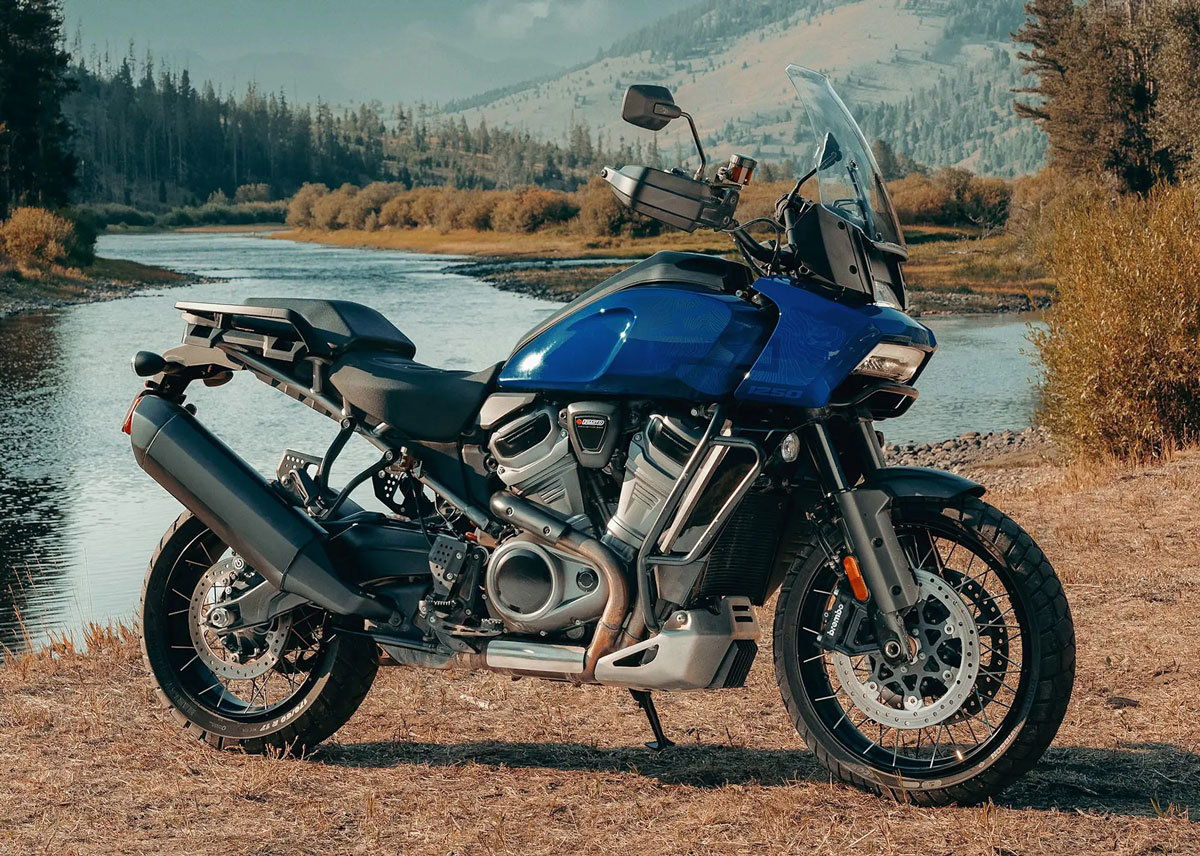 2025 Harley-Davidson Pan America 1250 | Photo Credit: Harley-Davidson
• Leadership Disruptions
The company’s financial challenges have been compounded by leadership unrest. In early 2025, board member Jared Dourdeville, representing major shareholder H Partners, resigned and launched a public proxy campaign titled “Free the Eagle.” He accused Harley-Davidson’s board of cultural decline and demanded the resignation of CEO Jochen Zeitz and two long-serving directors.
Soon after, Zeitz announced his retirement and named CFO Jonathan Root as his preferred successor. The decision sparked further frustration among dealers and investors. As of August 4, 2025, the company found a new permanent chief executive.
The search concluded with the Board announcing on August 4, 2025, that Artie Starrs—formerly CEO of Topgolf International (and previously Global CEO of Pizza Hut)—would step in as the new President and Chief Executive Officer, effective October 1, 2025. Will new leadership be able to take the company beyond motorcycles and into finance, lifestyle, and experience-driven opportunities? Is that what fans of this legacy brand want?
• Electric Division Struggles
Harley-Davidson’s electric division, LiveWire, has also failed to meet expectations. Initially positioned as a symbol of innovation, LiveWire has seen shipments fall and losses increase.
Industry observers point to pricing as a major obstacle. When the model first launched in 2019, it carried a price tag of nearly $30,000, LiveWire struggled to attract younger, tech-oriented riders. Competitors such as Zero have gained ground by offering lower prices, better range, and broader lineups, including electric adventure motorcycles.
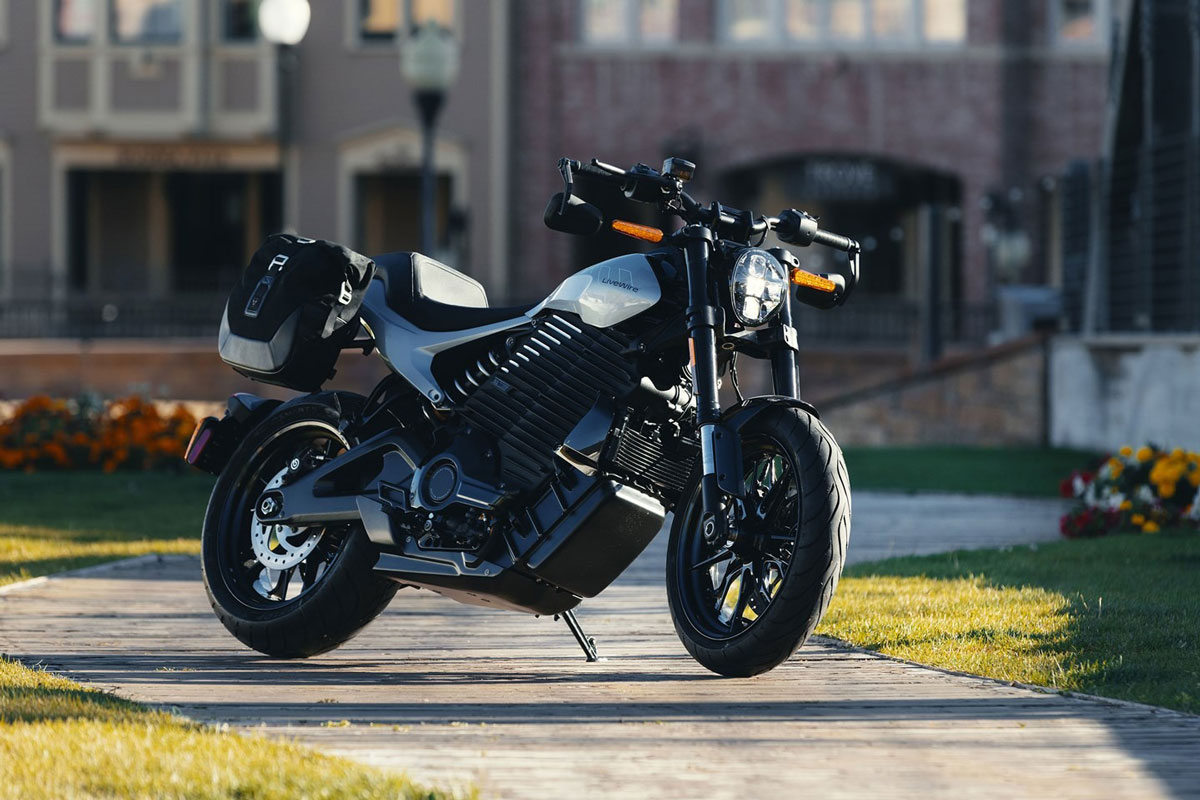 Harley-Davidson Livewire. | Photo Credit: Harley-Davidson
• Aging Demographics and Dealer Concerns
Shifting demographics continue to challenge the brand. Harley’s heavyweight market share slipped from 30 percent to 27 percent as younger riders favored Asian and European brands that emphasize lighter weight and advanced technology.
Harley-Davidson’s reliance on an older customer base has become another challenge. The median age of a Harley rider in the United States is now estimated at over 50 years, a sharp increase from the mid-30s in the 1980s. Industry surveys show younger riders are gravitating toward brands like Honda, Kawasaki, KTM, and Royal Enfield, which emphasize lighter weight, affordability, reliability and advanced technology such as traction control, TFT displays, and new connectivity features. This generational shift has left Harley with a shrinking pool of repeat buyers, while failing to capture first-time riders who often build lifelong brand loyalty at younger ages.
Dealers, represented by the National Powersports Dealer Association, have raised concerns over excess inventory, limited marketing support, and misalignment between corporate strategy and retail networks.
• Globalization and the Harley-Davidson Brand
Harley-Davidson remains headquartered in Milwaukee, Wisconsin, where it was founded in 1903, and continues to brand itself as an iconic American manufacturer. While a majority of its design, engineering, and executive functions are still based in the United States, its production footprint has become increasingly international in recent years.
To manage costs and navigate tariffs, Harley shifted significant manufacturing to Thailand in 2019, where models like the Sportster S and Pan America are now assembled for international markets. The company also operates plants in Brazil and India, primarily serving regional demand. U.S. facilities in Wisconsin, Pennsylvania, and Missouri continue to produce heavyweight motorcycles for domestic customers, but global supply chains now play a central role in operations.
While Harley-Davidson legally and symbolically remains an American company, its strategy reflects the realities of globalization: American in heritage and branding, but multinational in its manufacturing and distribution.
• Outlook
Although Harley-Davidson’s investor statements from May 1, 2025 are currently citing the “uncertain global tariff situation” for many of their woes, analysts say Harley-Davidson must reorient its strategy to remain competitive. Recommendations include expanding its dealer network, moving beyond nostalgia-driven heavyweight cruisers, and developing mid-size motorcycles suited to a broader spectrum of riders and emerging markets.
As Harley-Davidson navigates declining sales, leadership upheaval, and intensifying global competition, the company’s ability to adapt will be critical to its survival. With rivals gaining ground through affordable, mid-displacement models and electric offerings that resonate with younger buyers. The storied American brand faces pressure to redefine itself beyond heavyweight cruisers and heritage appeal. Whether its next moves can restore confidence among dealers, investors, and riders—or mark the beginning of a long decline—may determine the future of Harley-Davidson. The question now is: can one of motorcycling’s most iconic global names reinvent itself in time to stay relevant? Let us know your thoughts on this at