 Sticky logo
 Search


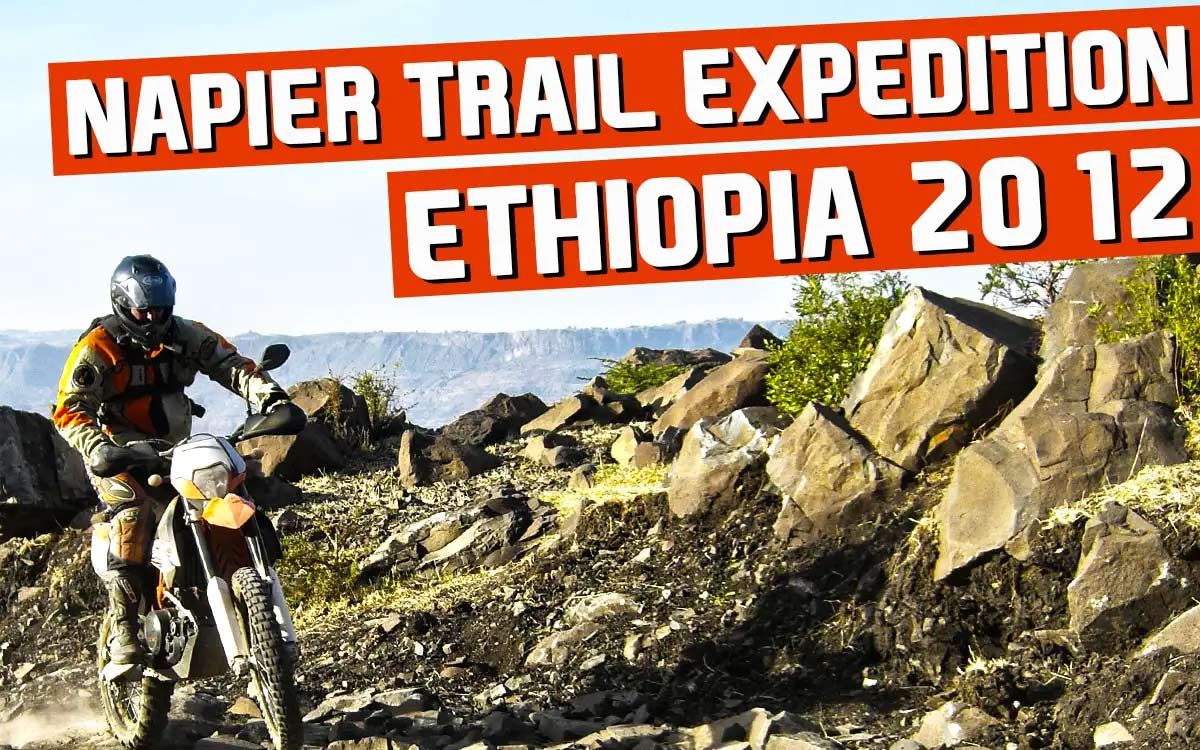
While sitting on a rock in the middle of Bodmin Moor in 2007 I was approached by a walker interested in the off road rider training we were doing in preparation for an expedition to Iceland. “If you want a real challenge you should get yourself out to Ethiopia and take on the Napier trail,” he muttered as he wandered off into the rain.
A few weeks later, whilst browsing in a bookshop in Oxford I came across the newly published “The Barefoot Emporer” by Philip Marsden. Telling the story of the events leading to the original Napier expedition it was a significant coincidence… and the rest, as they say, is history....
Training for the expedition commenced with team selection in the Autumn of 2010. A final team of six riders was selected and the project officially launched in January 2011. Coming from a range of backgrounds and with varying levels of experience the team was put through a series of challenging training weekends throughout the following months.
Covering essential expedition skills including navigation, first aid, survival techniques and off road riding, the development of the team was fantastic to see. From a group of relatively inexperienced individuals they ended the year as a well organised and cohesive unit, well able to take on the challenges of Ethiopa.
With the final training exercise completed over a cold December weekend in Malvern the contrast with Ethiopia in January 2012 couldn’t have been more stark. Leaving an ice bound Heathrow, the ten hour flight (halting briefly at Beirut) transported the team to a warm East African night in Ethiopia’s capital Addis Ababa.
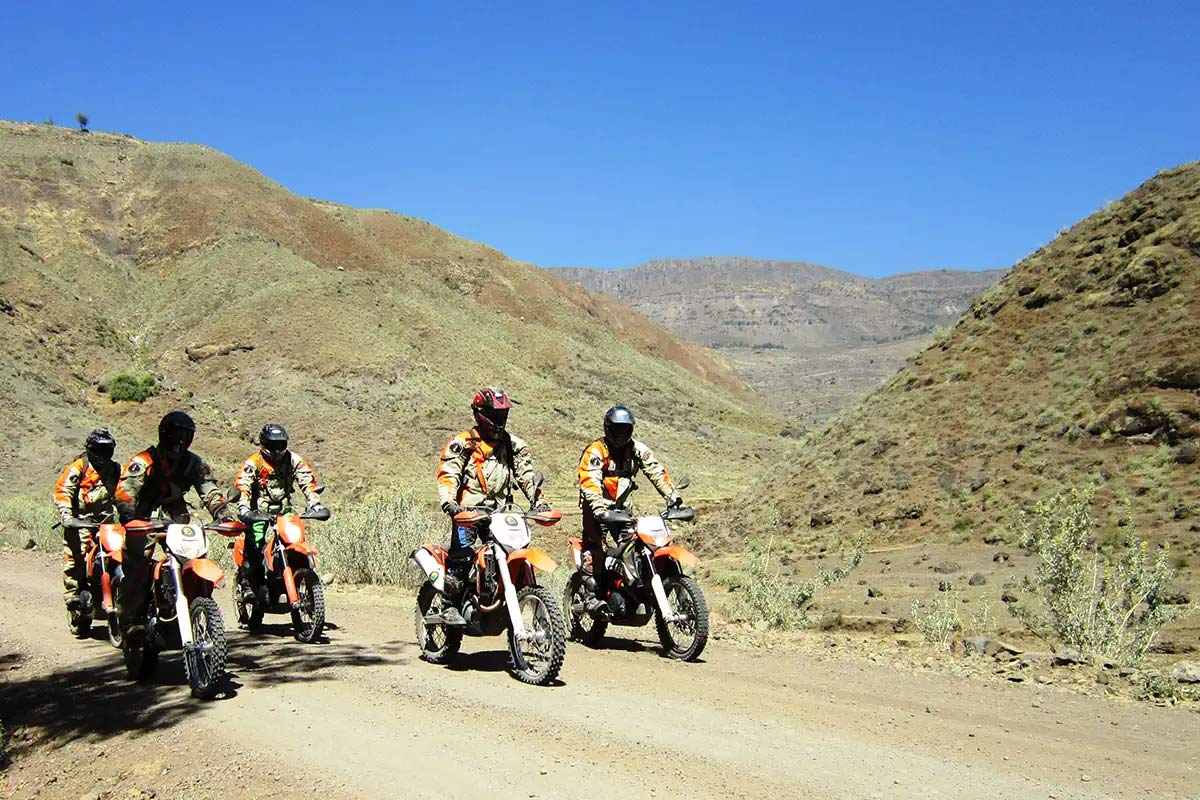
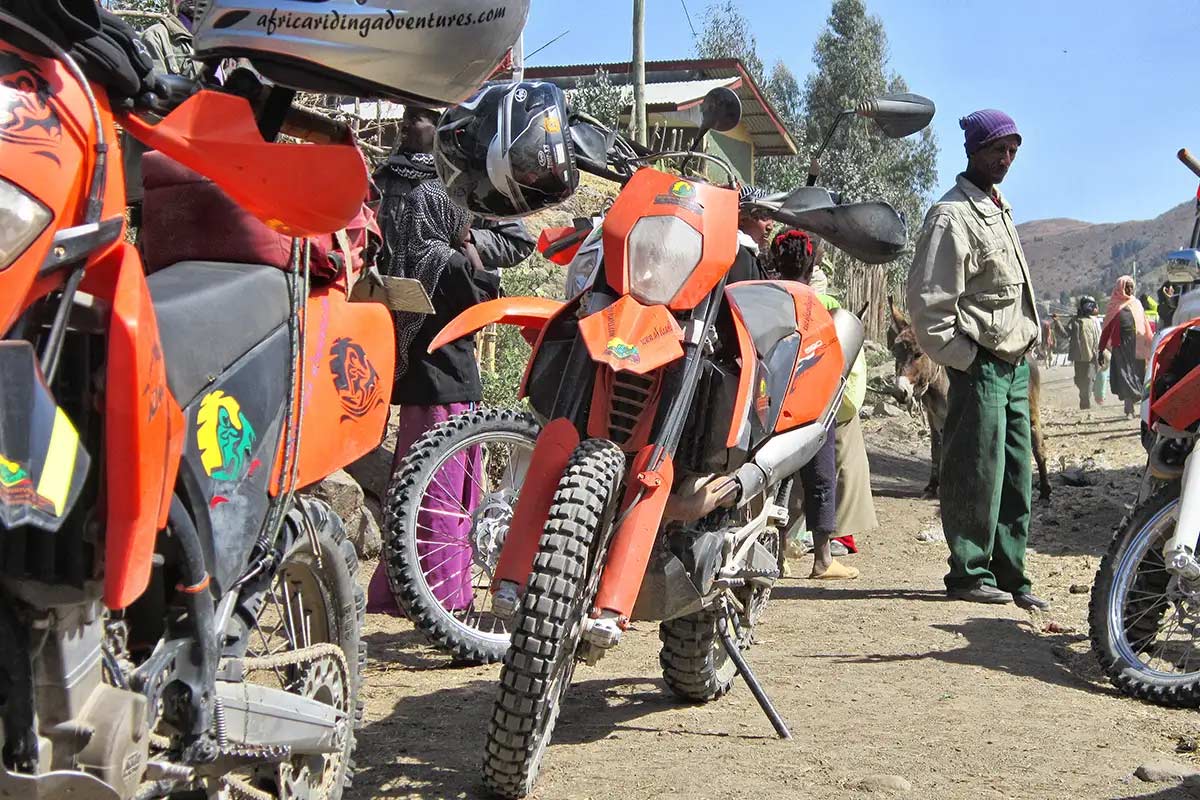
Having spent our first night in the comfort of the four star Jupiter International hotel the following day saw the team collecting their motorcycles (KTM 690 and 500s) and support vehicles to begin the first stage of the expedition.
The ride through the traffic of Addis Ababa, being something akin to a video game, it was quickly realised that this was likely to be the most dangerous part of the whole trip!
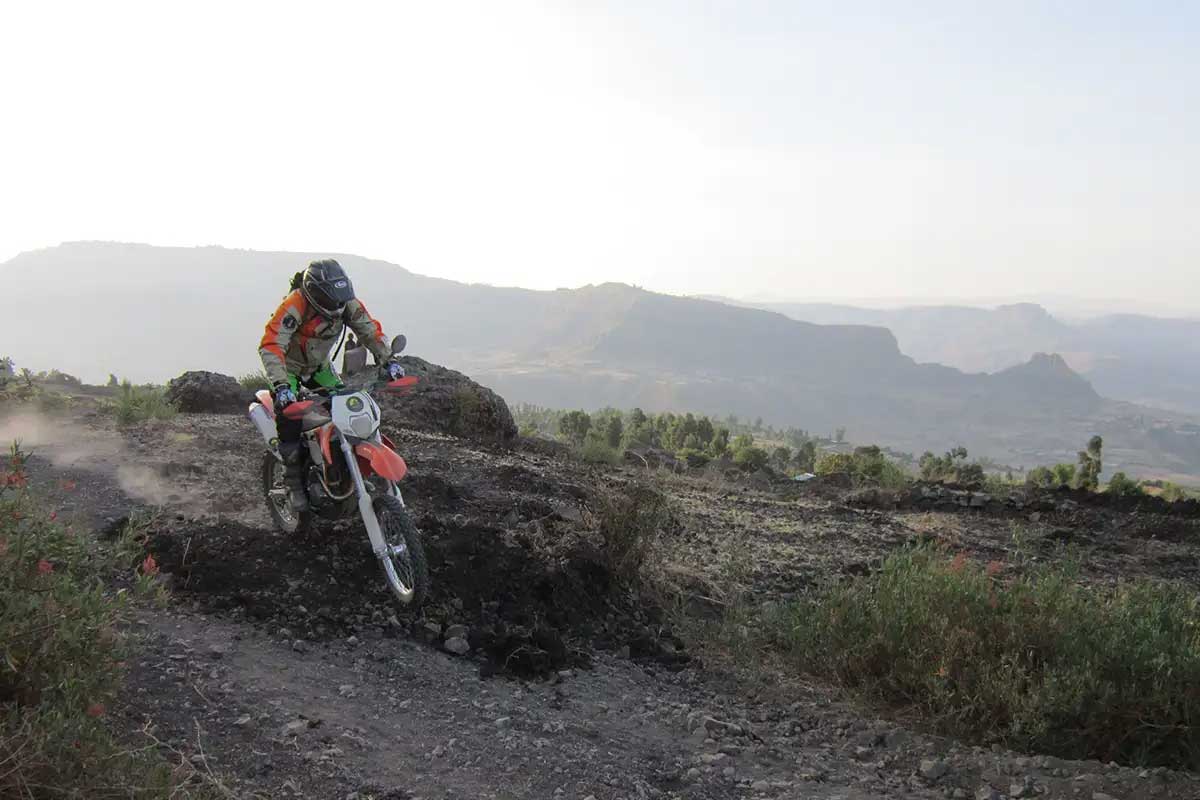
By necessity the first day and a half was spent on tarmac as the team moved towards to start of the off road trail at Woldia. The riding was easy with near perfect roads, hardly any motorised traffic and many locals waving and cheering the team on their way.
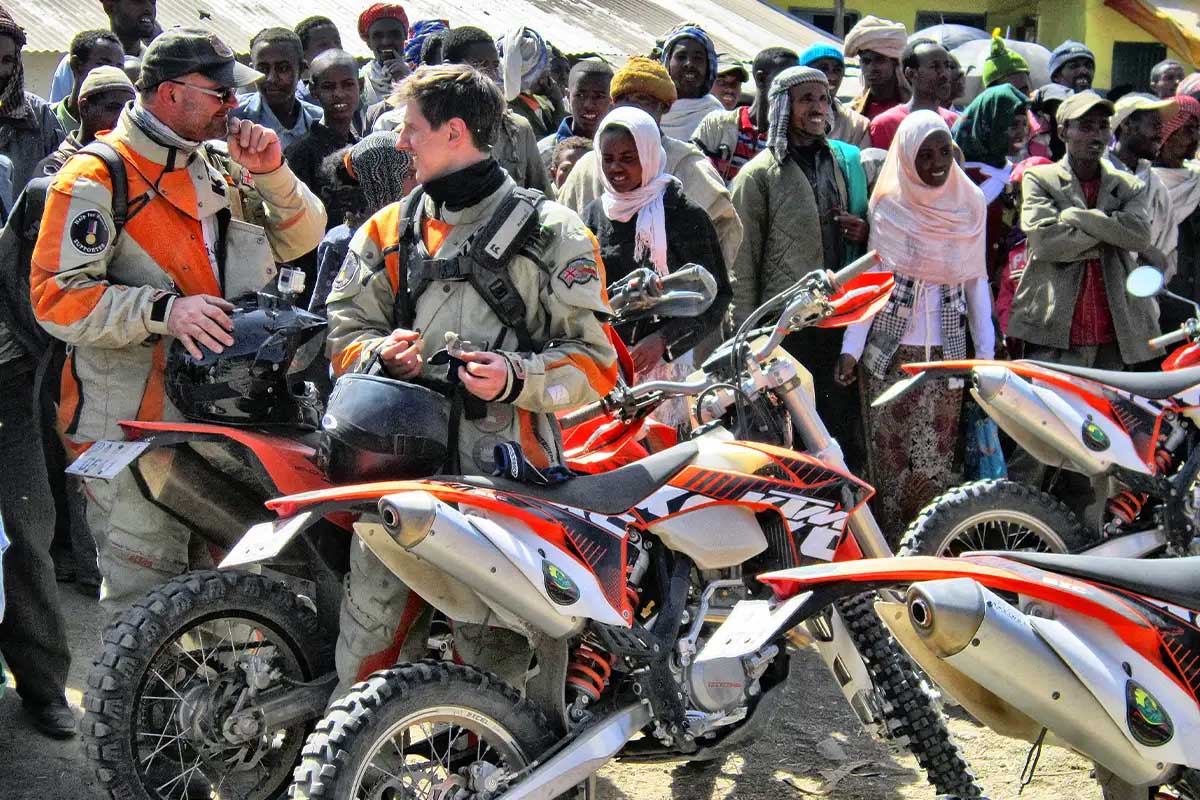
Donkeys, camels and dogs proved to be the major hazard and we experienced little of the often reported stone throwing. Our reception at the various villages we passed through proved to be nothing but warm and helpful.
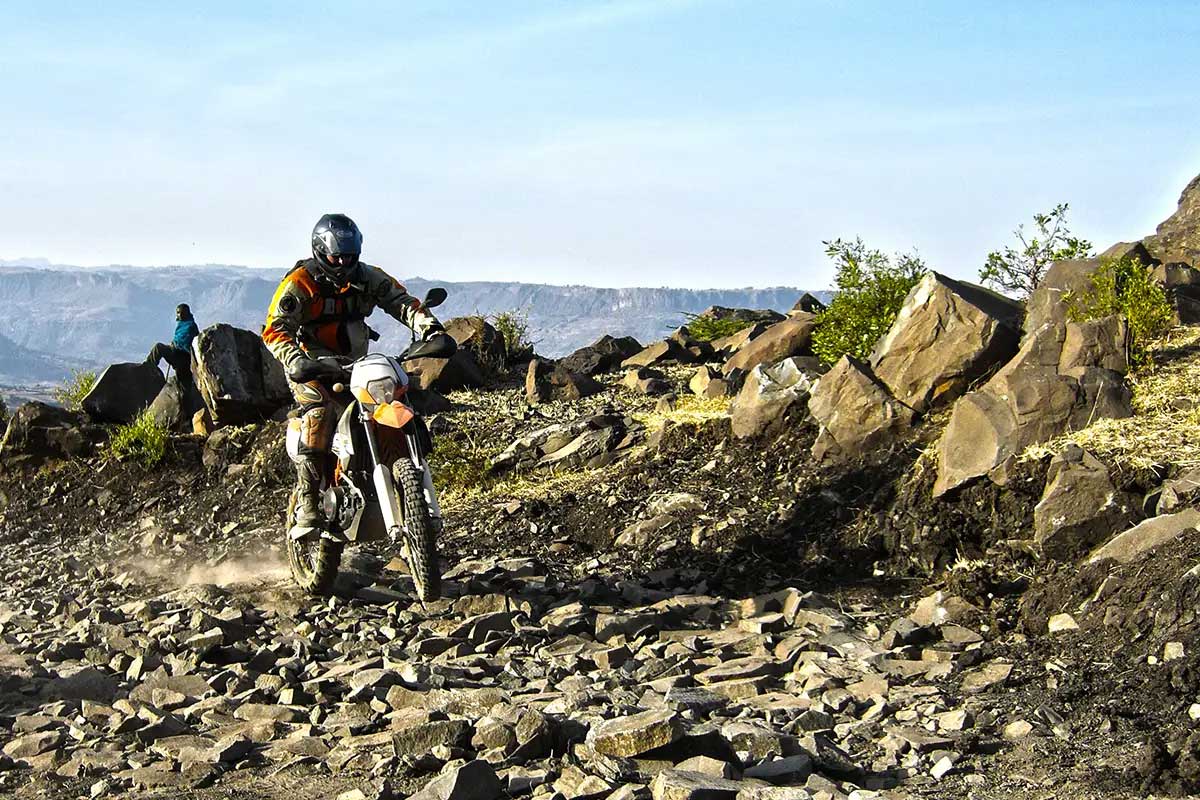
From Woldia the team embarked upon the off road section of the route that would take us first to the ancient stone cut churches of Lalibela and then on to the mighty fortress of Magdala. For about 600km the trail wound its way across numerous mountain ranges and over fertile valley bottoms.
With a surface of rough, loose gravel and numerous hairpin bends flanked by 1000 ft. drops total concentration was required and it later transpired that most of the riders had been genuinely scared of sections of the route. At a height of 3000m above sea level the sun was intense and the physical demands placed on the riders severe.
Frequent periods of rest plus cautious riding meant that progress was slow and it was not until late in the day on Ethiopia’s Christmas Eve (January 6) that the team reached Lalibela.
One of the most sacred sites in Africa the stone cut churches have quite literally been carved out of solid rock. With hundreds of pilgrims approaching from all directions to celebrate Christmas, delays were inevitable, and the team was forced to seek a camp site in darkness.
There followed a restless night with sleep interrupted by passing groups of pilgrims and a somewhat angry dog who decided to visit our tents during the small hours of the night.
The following day saw the move onwards to Magdala. Further mountain trails culminated in a dead end at the base of the mountain and this became the base camp for the walk to the summit the following day.
As at all the camp the team quickly attracted the interest of groups of locals who would gather a short distance away from the camp site and watch with amusement as the team set up tents and prepared food. At Magdala local soldiers offered to guard the camp and keep the crowds at bay and their offer was much appreciated and rewarded with Christmas cake brought in from the UK.
The sides of Magdala are almost sheer and the route to the summit a challenge. The plateau on top is home to a small community making a living out of farming and the few visitors who manage to reach the site.
The remains of the fortress are still visible and include the grave of the Emporer Tewdros and his great mortar that had been constructed by captive hostages on his orders prior to the arrival of the British assault force in April 1868.
Following a second night camped at the base of Magdala the team headed West along trails even more demanding that those of the first few days. The intense heat and the physical demands of riding began to show and the decision was taken to halt early and set up camp for the remainder of the day.
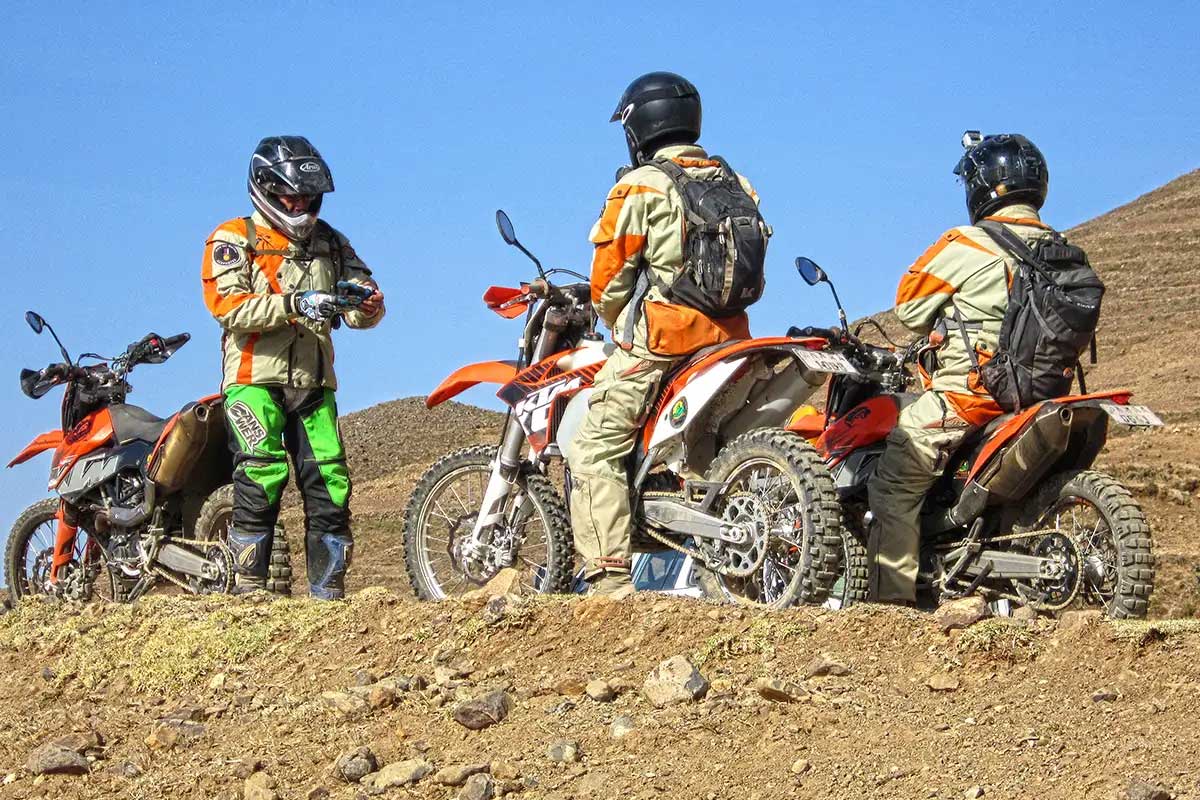
Again the team attracted crowds of spectators all keen to help collect firewood and view the spectacle. In what became one of the highlights of the trip four local children stayed late into the night enthralled by a showing of Walt Disney’s Bambi on the expedition’s laptop. Never has an audience been so entranced!
A challenging ride the following day saw the start of fuel problems with some of the bikes. Almost certainly due to poor quality fuel from one of the few rural petrol stations, speed was reduced to walking pace at times. With several punctures also hindering progress it was clear that the final section of the chosen route would not be possible and it was decided to return to Addis Ababa a day early.
The final approach to Addis was again precarious with the dangers of traffic, animals and pedestrians, further enhanced by flat tires and failing engines.
Sitting on a stalled bike in the centre of a giant road junction with traffic approaching fast from all directions is an experience one would not wish to repeat, and it was with a great sense of relief that we finally coasted down the last hill to our “home base.”
The trip to Ethiopia had been all that had been anticipated. Beautiful scenery, warm and friendly people, outstanding off road riding and high adventure. The team achieved the aims set out in 2011 and also raised money for Help for Heroes and delivered essential supplies for the educational charity Project Pencil Case.
• Stats
Team Manager—Richard P Jeynes
Logistics—Ian Bell
Riders—Patrick Jeynes, Tony Bethwaite, Ian Reed, Richard Cox, Rob Withey, Dean Miles
Guide—Flavio Bonaiuti
Distance—1600km (1200 off road)
Bikes—KTM690 Enduro (x2) and KTM 500 EXC (x4)
• Sponsors
KTM UK (clothing and finance), Vestey Foods (rations), Pure Hydration (hydration packs), Kriega (back packs and luggage)
This expedition was organised and led by TRAILQUEST—www.trailquestadventure.com a Worcestershire-based expedition company specialising in providing training and support for motorcycle expeditions in remote regions.
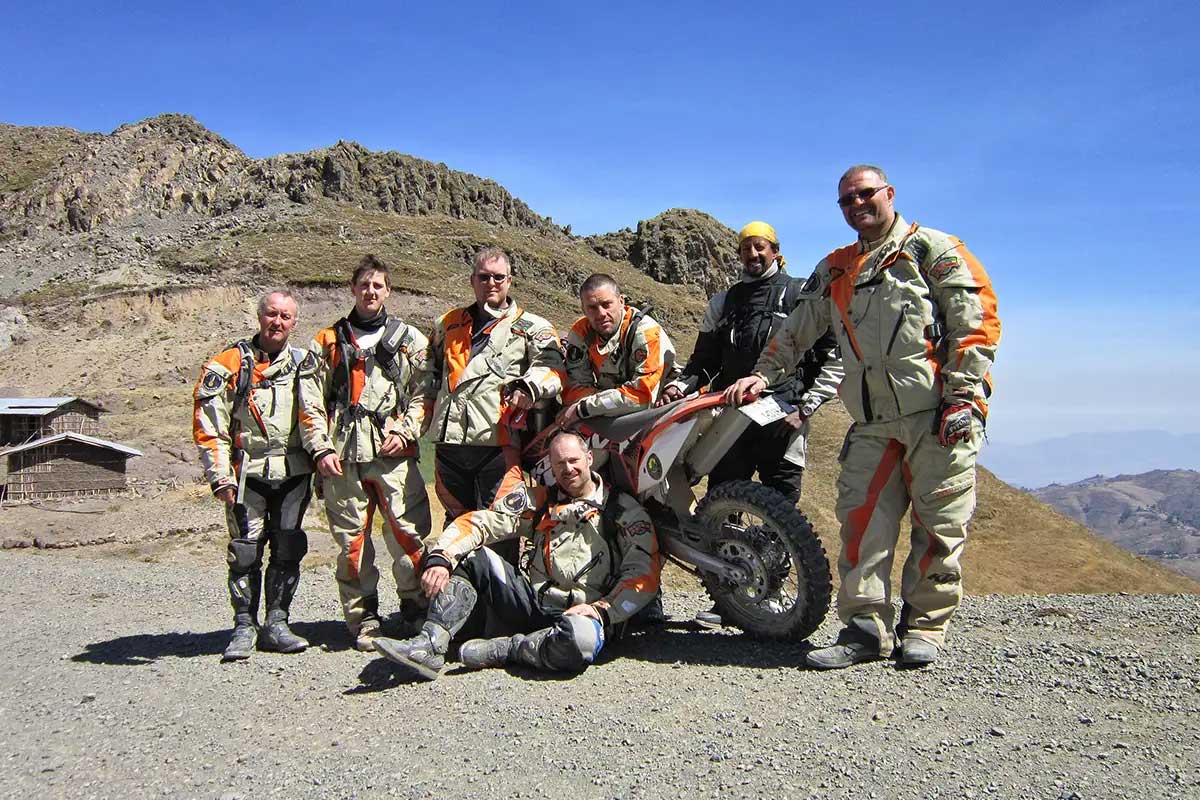 Riding Team: L-R Tony Bethwaite, Patrick Jeynes (Trailquest), Richard Cox, Rob Withey, Flavio Bonaiuti (Guide), Dean Miles, seated Ian Reed.
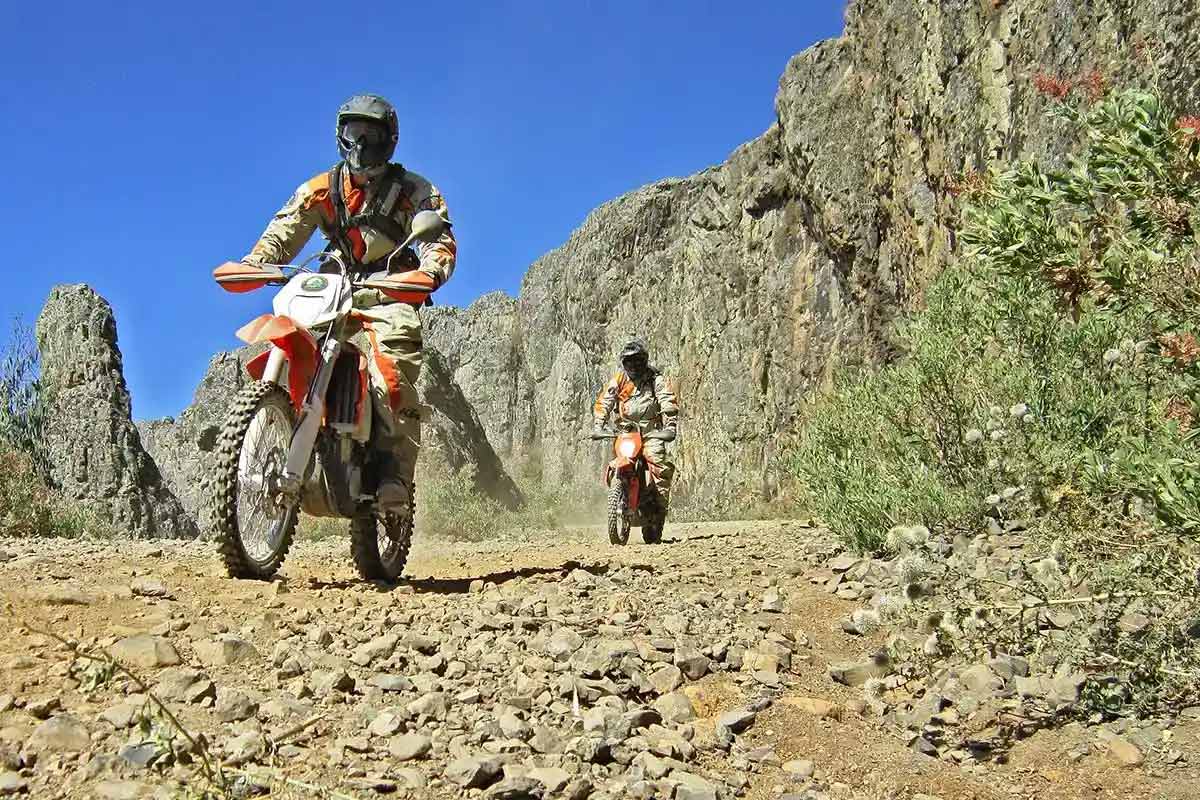 Pat Jeynes and Dean Miles.
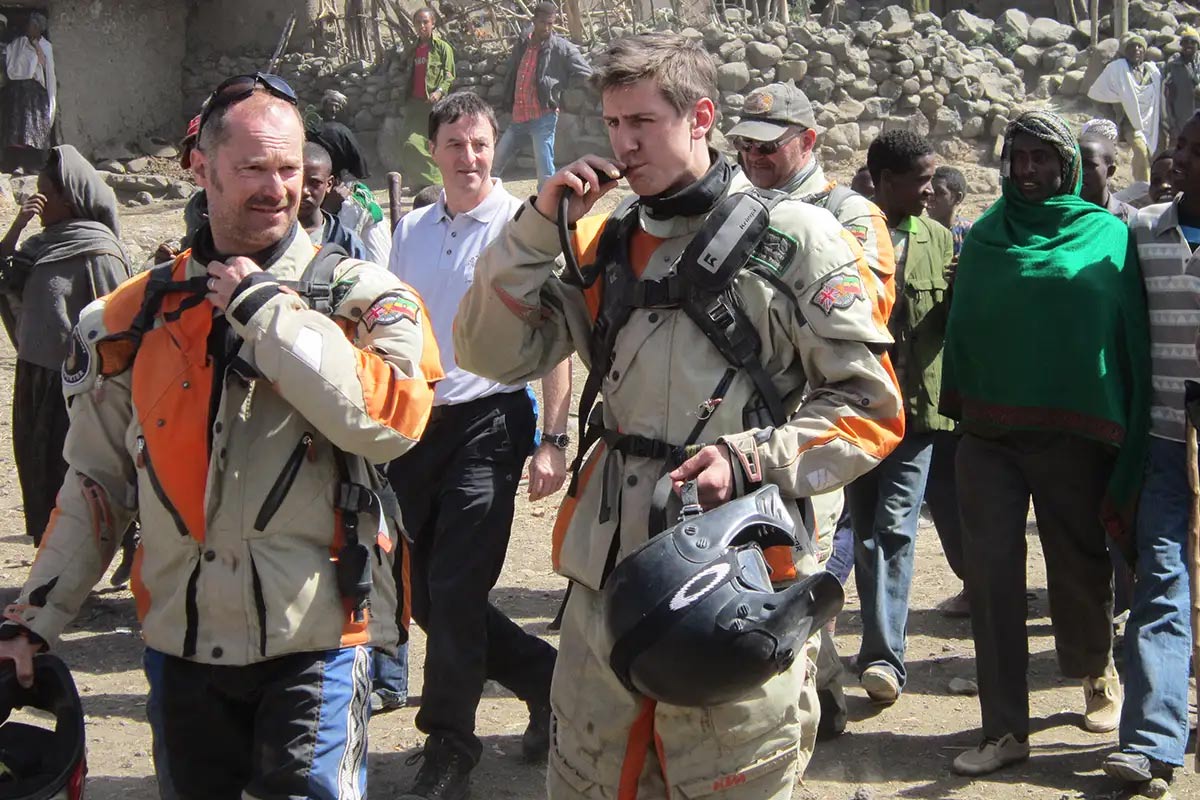 Ian Reed and Pat Jeynes.
 African sunset bikes.
• Napier Expedition 1868
The original expedition was led by Gen. Sir Robert Napier in 1868 to rescue European hostages being held by the Emporer Tewdros at Magdala. The fort was attacked and taken on April 13, 1868, and all the hostages released. Tewdros killed himself during the final stages of the assault.
It was the most expensive military campaign ever launched and resulted in one penny being added to income tax at the time.