 Sticky logo
 Search


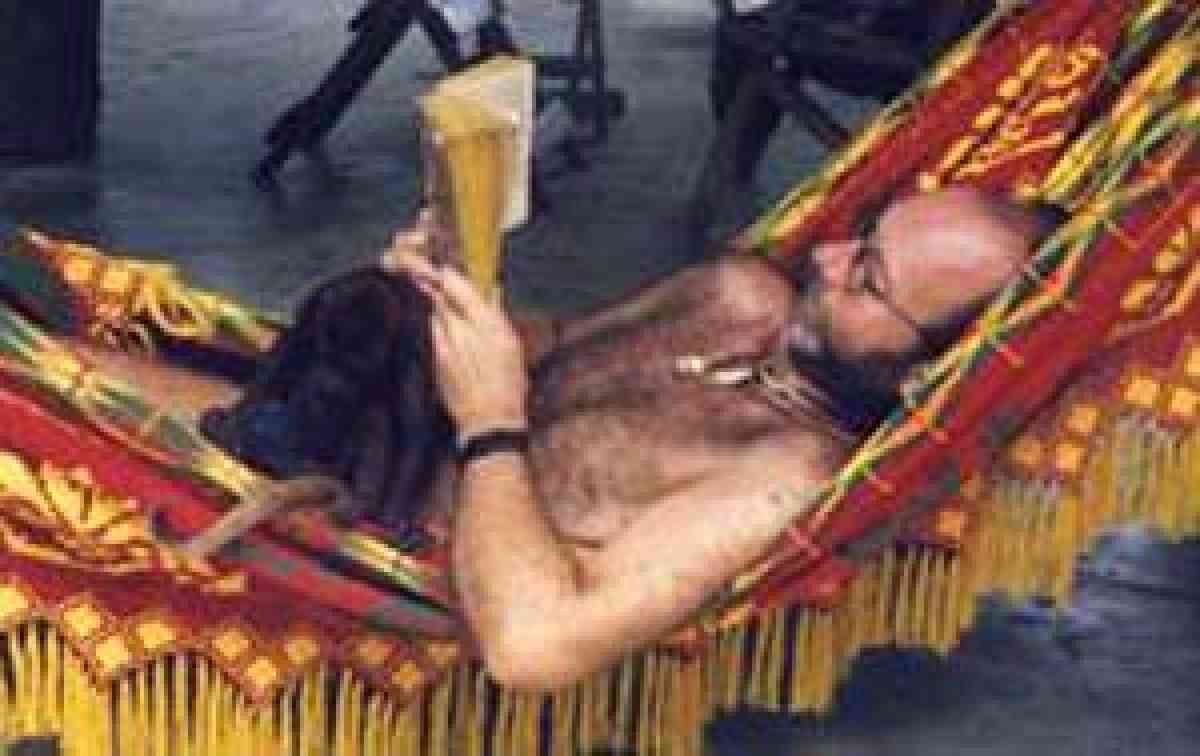
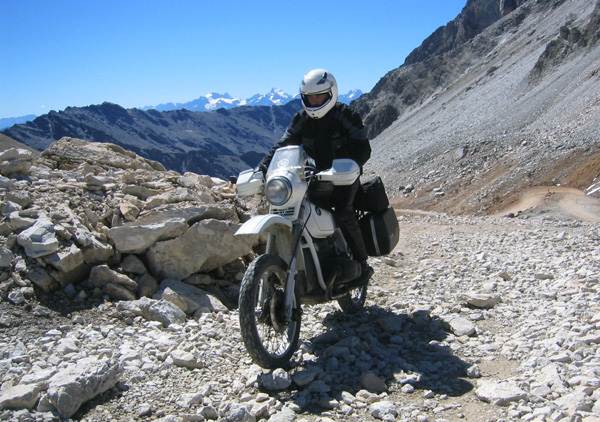 No one ever seems to write about this vital overlander’s topic, so I’m prompted to hit the subject now as a result of… yes… a few too many beers. The only time I usually get into intensive conversations is when I’m down the pub with my mates. Then, beer assisted, everyone seems to loosen up and sooner or later everyone heads down a controversial road. As no doubt happens everywhere in the world, all sorts of topics get bounced around with enthusiasm and lots of lateral thinking. The mix of beer and friends really is a good one, isn’t it? I wonder how many revolutions have started with this combination….
But I’m digressing. What’s the missing topic that no one ever seems to write about? My mates and I are getting worried for those people setting off on their dream trips, who do so with something very wrong from the start. The biggest risk for overlanders isn’t setting off unprepared, nor is it having the wrong kit. Misinformation and ill-conceived ideas about other people, cultures and their politics carry more risk than having the wrong boots, the wrong petrol stove, or even the wrong tires.
This topic came up when a bloke at the table next to ours told what he thought was a funny religious joke. Instantly embarrassed by the looks he got from the travelling motorcyclists in our group, he soon got the point that the joke wasn’t funny and actually dangerous in its ignorance. His table joined ours and we all got talking. I have to admit the conversations that the bad taste joke sparked off became intense, especially as more ale slipped on down. And, as others joined in, our group of six soon expanded to 15 plus.
In order for a controversial conversation to survive and to have any chance of reaching any sort of realistic conclusion, it has to start off on common ground. In this case it did. No one disagreed that, for most of us, what we learned in school about foreign lands and their people had been long forgotten, or at the very least was largely out-of-date. So, most of the knowledge we have now comes from what we read or hear from the mass media.
Nowadays, sadly, the bulk of the information we are given by much of the media seems to be based on scandal and drama. “And,” one of the guys said, “It appears to me that we almost never hear an unbiased view of an event. We’re never given the full picture. I think the reality is that the majority of the so-called news is given in sound or read bites, with no chance whatsoever for us to gain the full picture.”
This blink-of-the-eye style of reporting puts us at risk on the road. How could it be anything else if we are setting off with blinders over our eyes and minds?
Another then chipped in, “What about Colombia? The media would have us believe that it’s full of bandits, and cartels that at the drop of a trilby, will happily send us into the land of our ancestors. It was once, but has the media been telling us that things have changed significantly over the last few years? No!”
We are told that Sudan is full of Jihadists, and that you only have to get a scratch in Uganda to pick up aids. Mexico? Well, that’s a lost cause, too; you’d better not venture down that way. And hey, it’s said that the U.K. has so many bombings that it’s not safe to travel there. Rubbish—you are more likely to get run over by a London bus!
A small voice in the back of my mind keeps whispering that the media is actually playing no more of a game with us than many people on the road did with me. I’ve lost count of the number of times that villagers told me the next village down the road was full of murderers and thieves. Only to get to that next village to discover that their people were amazed that I’d survived the evil ways of the people I’d just been with.
When I made this comment, someone remarked, “You are far from the only one who has experienced this. Robert Fulton talks about the same thing in his amazing book ‘One Man Caravan.’ He wrote that even back in the early 1930s this sort of village-to-village scaremongering was going on.”
Part of me wants to laugh at the media because their continual scaremongering is so ludicrous, but part of me is also frightened by the level of unbalanced rubbish they have such a tendency to spout. But it’s also the amount of information that they simply don’t bother to cover that troubles me. They keep us ignorant of reality by doing so.
When was the last time you heard anything about what is happening in Darfour? Anyone know what’s happening in Algeria or the Congo? Zimbabwe has been out of the news for a very long time, too. So here’s a thought… are any countries in the world doing well financially in these times of recession? I have picked up that even China is suffering, but did you know that Australia is having an economic boom? The ever more valuable Ozzie dollar now makes it an expensive country to overland in now—useful to know.
However, scaremongering isn’t the only thing that’s happening. One of the phrases that the more unscrupulous sections of the media seem to enjoy spouting is, “We report what people want to hear.” Do they? Or are they trying to teach us what we should be allowed to hear? The reality seems to be that if sales aren’t increased, or ratings raised, then it isn’t news. Do they really think we’re simple-minded children with short attention spans, comic strip readers and reality show watchers?
I mean, why should we be interested in which footballer is having an affair? Does it really matter who has won “Big Brother”? Apparently, even the best papers and news programs are apparently far too interested in their ability to hunt out tabloid newspaper style headlines. It’s a hugely condescending practice, especially when they seem to revel in reporting situations where people from other nations got it wrong.
The worst thing about being hammered with foreign news of this type is that it only gives us the scandal without background or follow-up. Generally speaking, we haven’t a clue as to what’s actually going on out there, but depending on the media seems to be a losing proposition. Accepting this level of missing and incomplete information creates a situation where we run the risk of setting out with unfounded bias and prejudice in our minds. How could we do anything else? Dare I say that I think it’s almost as bad as the worst censorship we are likely to encounter in lands governed by despotic feudal rulers.
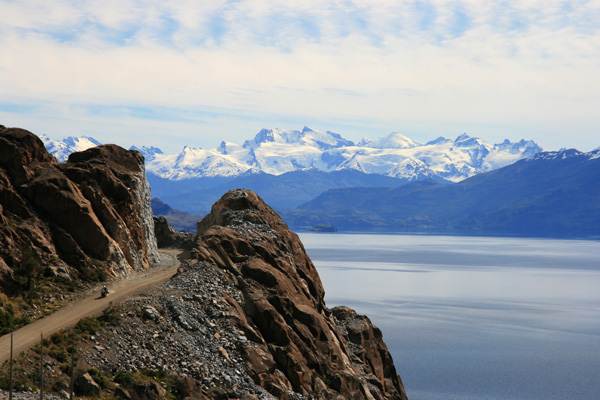
Sometimes living on autopilot is one of the riskiest things that we can do. When we unquestioningly live in our own personal bubbles there’s a tendency to assume that all is well around us, and that the people with responsibilities are doing the right things, don’t we?
I’m not necessarily talking politics here; that’s another subject for the pub. I’m writing this article because there’s huge overlanding value that comes directly from having a calm, level-headed, well-informed mind-set. This can make the difference between having an amazing trip with loads of interaction with local people, or one where you scoot through stunning landscapes and fascinating cultures, with those blinders on.
Why should we allow ourselves to become so blinded? Why should the media dictate that the world is a rubbished place full of danger without hope? We overlanders need to have the firm understanding that unless we accept that this form of imparted knowledge is hugely tainted, we are going to miss out on some of the most special aspects of our journeys. Fear the locals? No, respect and learn from them. After all, is there really a better way to learn the truth than by experiencing reality first hand?
We do need to know which countries are dodgy, but we need to know why, and therefore what risks we REALLY take. We also need to know that underneath the hype most people in the world are brilliant. They are welcoming and, perhaps, far more likely to be afraid of us than we are told we should be of them. None of us should forget that there’s a reverse side to this subject. Just think about the glitzy, wealthy, immoral image the movies and TV shows portray of our western cultures.… We should also be fully aware that the information they receive in their media is often just as nonsensical and biased as ours.
So, what should an overlander do? Let’s start by getting rid of that misinformation ball ’n chain. Don’t just take the media’s “news” for granted. Question it! Know that there are often vested interests in what they convey. If they truly believed that what they say or print is because “the public have the right to know,” then they’d give us the full picture. We need to do our own homework. Learn as much as we can, and then open our minds.
Trust your instincts, take risks with your eyes open and a smile. Purposefully challenge preconceived ideas and enjoy being out there on two wheels in this amazing world of ours. It’s so easy to prove the media wrong, and then come back to share just how fantastic things really are. Of course, when you get back from your trip you’ll be talking to those with blinders on, so share the full picture as well as the fun and drama. With luck, plenty of people will get your point.
Adventure motorcyclist and author Sam Manicom rode 200,000 miles around the world over a period of eight years. His four highly-rated travel books are available from Amazon, Aerostich and signed copies direct from his book website Sam-Manicom.com. Sam’s books are also available for Kindle and ebooks from Amazon.