 Sticky logo
 Search


The Dakar Rally is Changing — Whether We Like It or Not
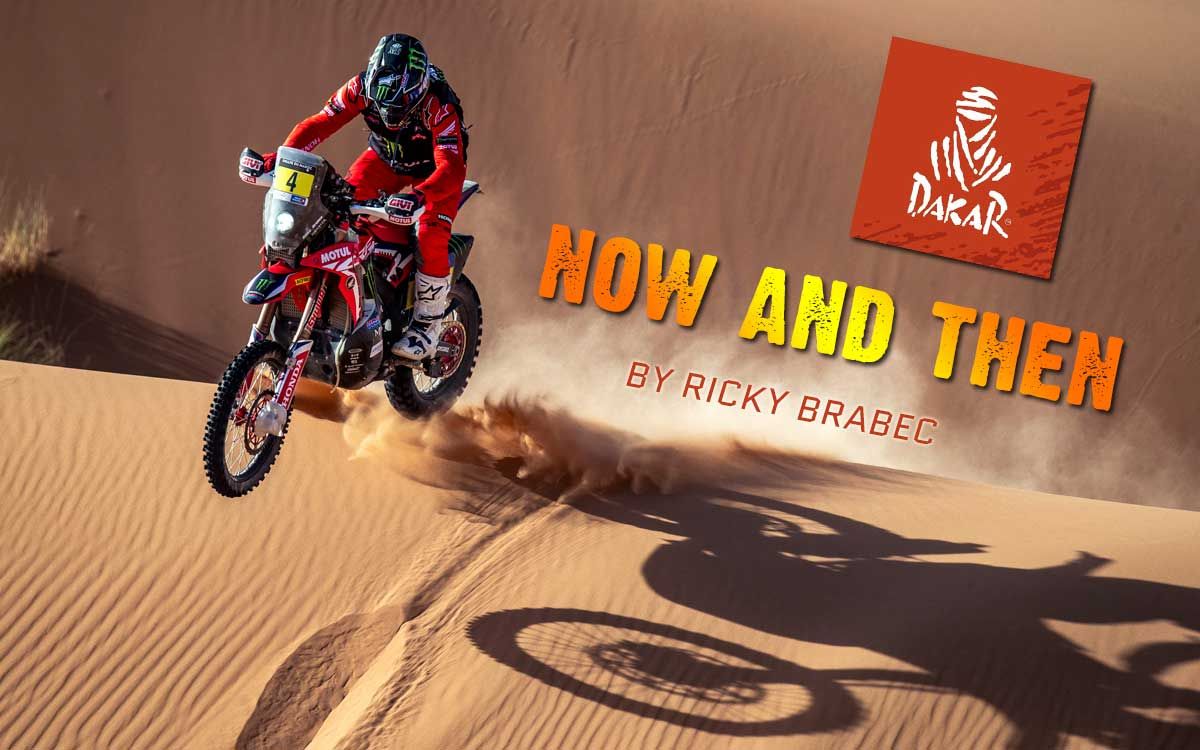
For many race fans, the Dakar Rally is more than just a name. Dakar is a dream, a livelihood, and a test to everyone who participates. Come January, it will be 43 years and counting since the race’s inception, and the rules are still changing. The regulations are intended to better the experience, making it safer and more approachable, while finding new ways to challenge competitors. That said, there are still many reservations from the community about what the industry is turning into. But what is that exactly?
From its beginning, the Dakar Rally set high standards for how we define “rally raid.” It’s the pinnacle of off-road motorsports for most pilots. Over the years, there have been both good and bad changes to the Dakar, and rally raid as a whole. In racing the organization has to follow guidelines in order to keep participants safe while still enticing them to challenge themselves and their machines at the event.
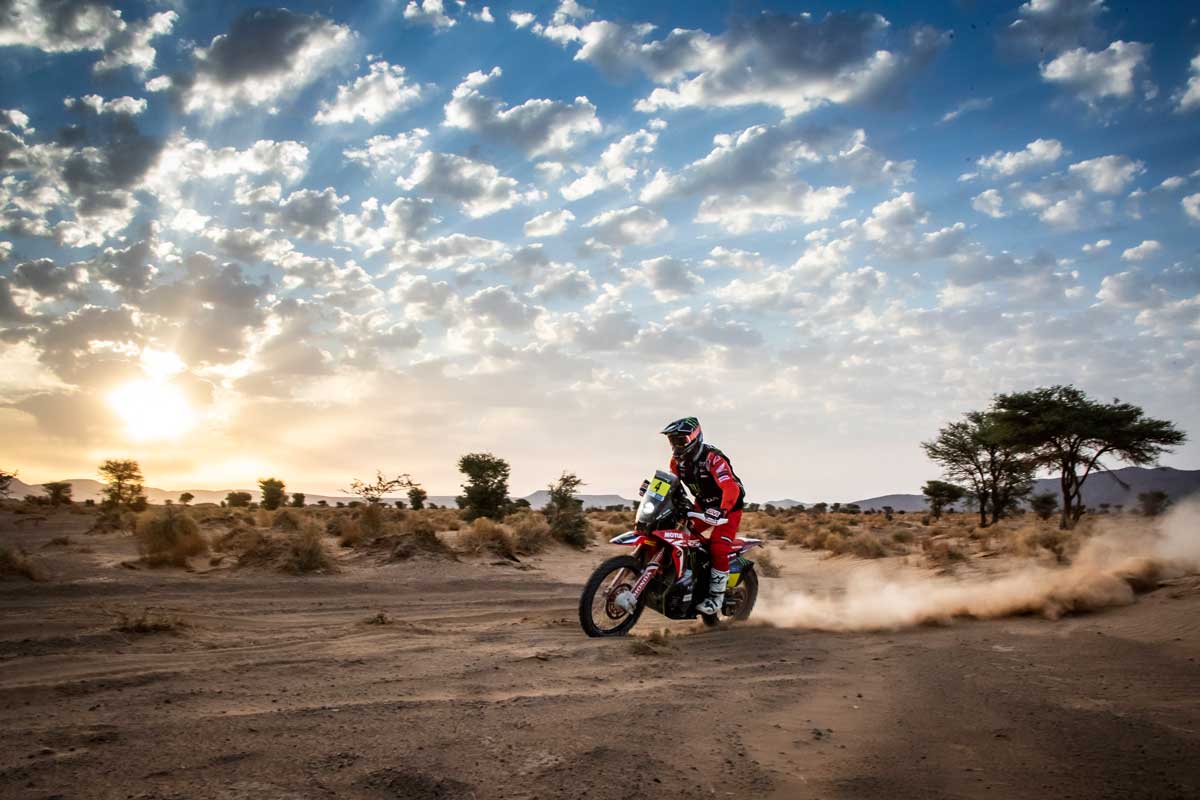 The new tire restrictions at Dakar 2021 would have made better sense if we were mostly riding through sand. But that's not up to the racers.
Thanks to a 2021 rule change, racers must now use an airbag-equipped, potential life-saving suits. The roadbooks are now distributed just 20 minutes before the start of each stage—which should promote fair competition between well-funded teams and those on shoestring budgets. There are more speed-controlled zones, and the ASO is working to limit top speeds. It’s an initiative hotly debated among the pro athletes who believe this would make it more difficult for the top racers to break from the pack with their raw speed and talent under certain conditions. As the sport continues to evolve, issues like these will continue.
Among other well-publicized opinions on the direction Dakar, teams and audiences alike have quietly questioned management’s integrity, saying that perhaps it’s “going soft.” But the ASO does what it has to do in order to keep the rally alive. As a result, things inevitably change. Whatever the race was in its early days, this is a new era of motorsports. We simply need to go with the flow.
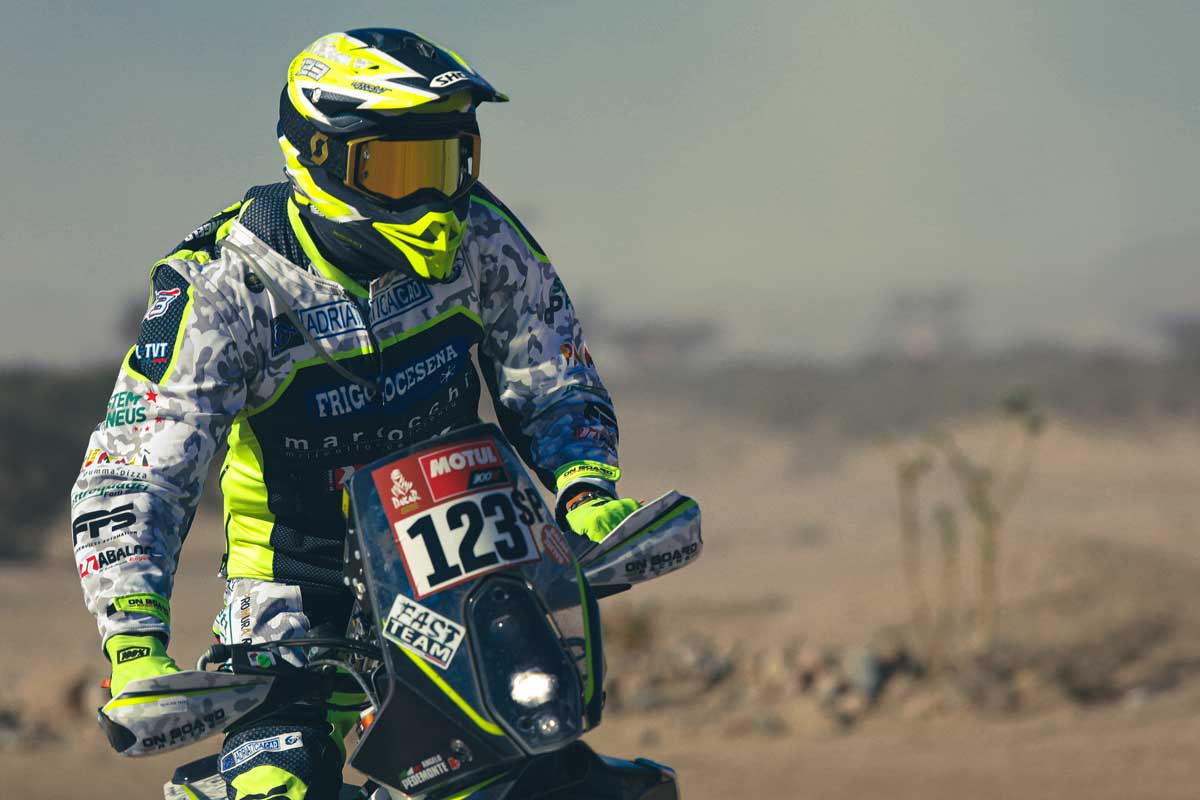 The rules and politics of motorsports are constantly evolving, so the best thing we can do is keep our eyes on the prize and hand on the throttle.
There are a number of reasons for such criticisms—with some likely stemming from jealousy. But the fact is the “Old Days” were more adventure-less racing. What we see on-course these days is an all-out sprint from Start to Finish at every stage. And to top it off, navigation is becoming more challenging every year.
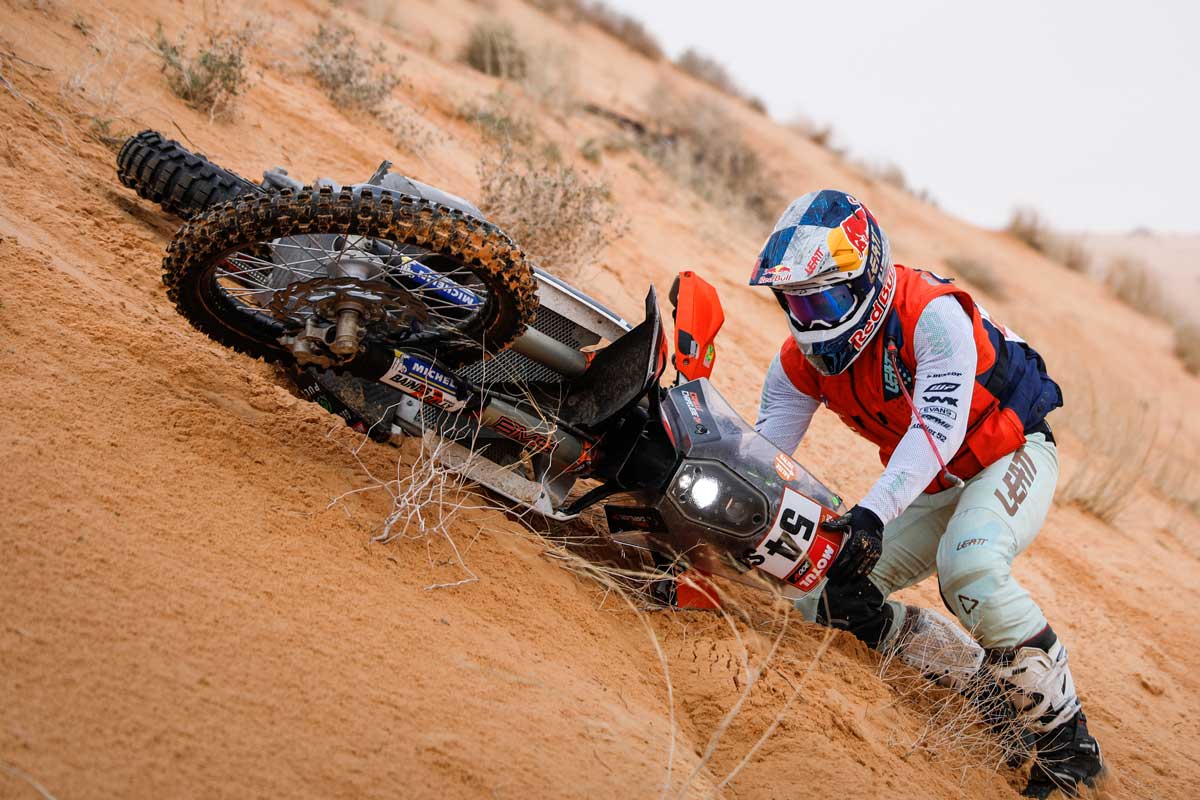 Part of racing rally is overcoming obstacles, but with many new safety measures in place, it seems there might not be many obstacles left. (Just kidding, this stuff is still hard!)
Read the full article in Jan/Feb 2022 issue.
Click HERE to purchase this issue, or subscribe to ADVMoto magazine and read it now, plus access to all back issues!
 Ricky Brabec is a professional motorcycle racer who has spent his formative years racing the North American desert series, moving into rally raid in 2015. By 2020, Brabec and Monster Energy Honda made history as the Dakar Rally’s first American champion, breaking a 18-year winning streak for Factory KTM Rally, among other notable achievements. He intends to continue his career at the top, while trying to bring insight about the sport to the U.S. motorcycling community not only through his performance but through his words.