 Sticky logo
 Search


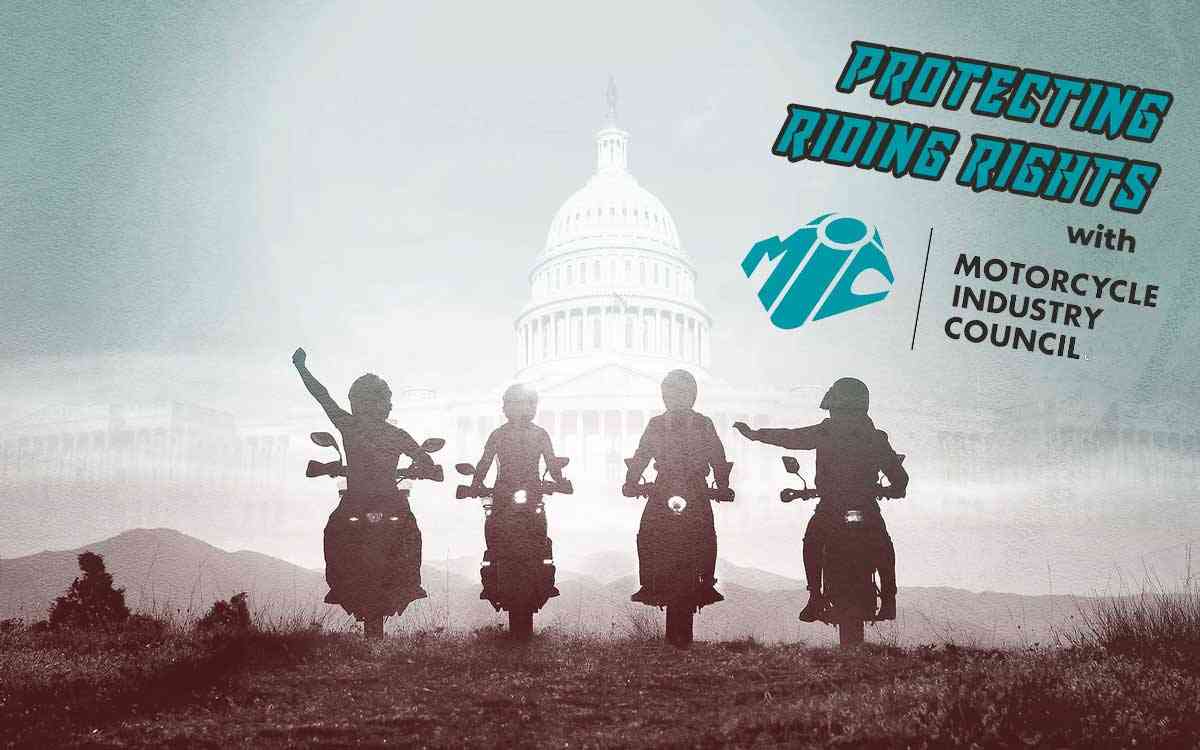
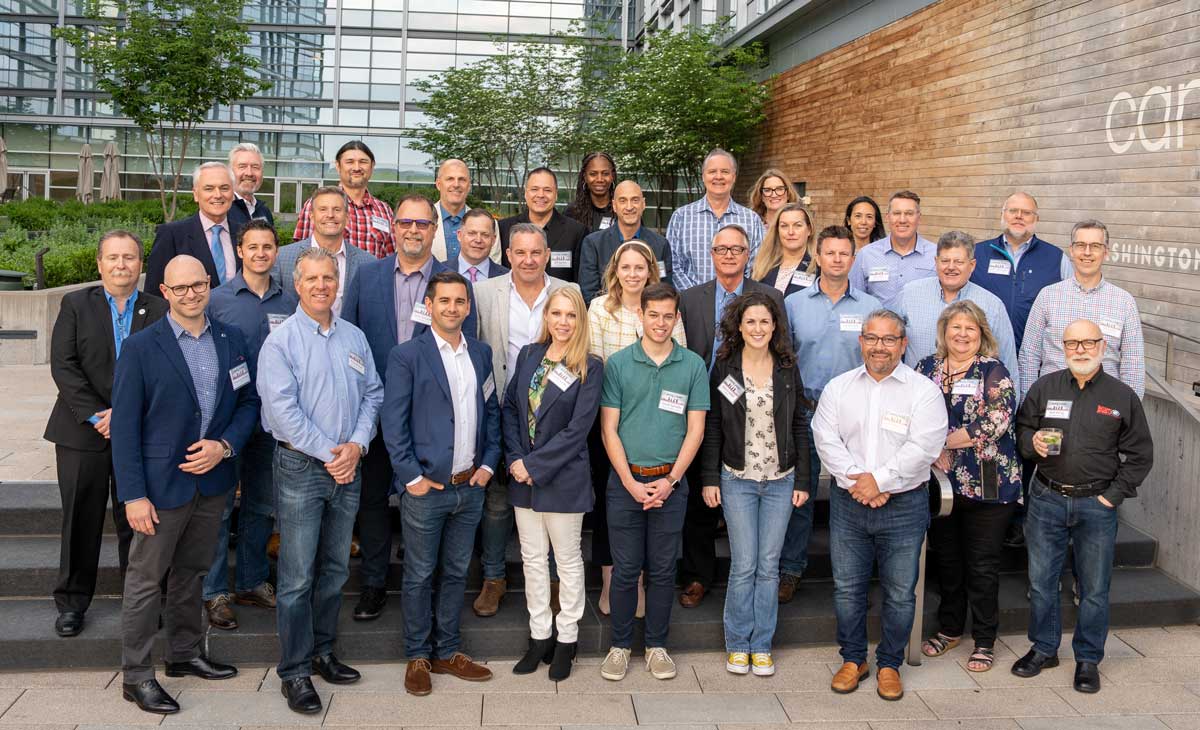
A few weeks ago, I met with some of the motorcycle industry’s top executives in Washington D.C. We spoke with our respective members of Congress about often over-reaching legislation that could have negative or devastating impacts on our industry. The Motorcycle Industry Council (MIC) organizes this get-together every year. It’s a bi-partisan organization of industry representatives who care about one thing—keeping all of us riding.
When you see the reality of what it takes to protect our riding rights and industry, it’s quite humbling. While some issues are centered on economics and trade, I became concerned about our approach to safety, especially when you consider the impact of motorcycle fatalities. Did you know motorcycles account for only 3% of the road traffic in America, yet 14% of the fatalities? In 2017, more than 5,000 riders died as a result of crashes. This number that has stayed relatively consistent over the previous 10 years.
What are the top killers? The reasons range from lack of education, poor or no safety gear, technology, road design, and unlicensed or untrained riders. It’s a complex problem. But of all these, the two leading causes of motorcycle fatalities are issues we can do something about.
Despite decades of anti-drunk driving PSAs, a staggering 35% of fatal crashes occur under the influence of alcohol. Understanding one’s limits doesn’t just apply to time on the motorcycle, but before saddling up. I believe most riders in the ADV community are very mindful of intoxication and limit their drinking accordingly. As risk-takers, we often live on the edge of bad decisions and I’d rather we crash on a couch than into a tree.
Coming in a close second is speeding, which captures 32% of all motorcycle fatalities. I would guess, this includes riding too fast into turns and stationary objects. Going fast is fun, but being able to stop is even more important. Safety features like ABS have become far more common over the last decade, but how much can we rely on technology to compensate for lack of skills, training, and good judgment? On a personal level, I’m big on education and training. Train, then practice and practice some more!
Do you feel we should be able to ride safely with or without advanced safety technology on our bikes? How do you know you’re riding too fast or have had too much to drink? Send us your thoughts to
P.S. If you are interested in motorcycle safety data, search the web for “Motorcycle Safety 5-Year Plan” for the NHTSA report. Not exactly exciting reading, but definitely food for thought!