 Sticky logo
 Search


1. Copper Canyon, Chihuaha, Mexico
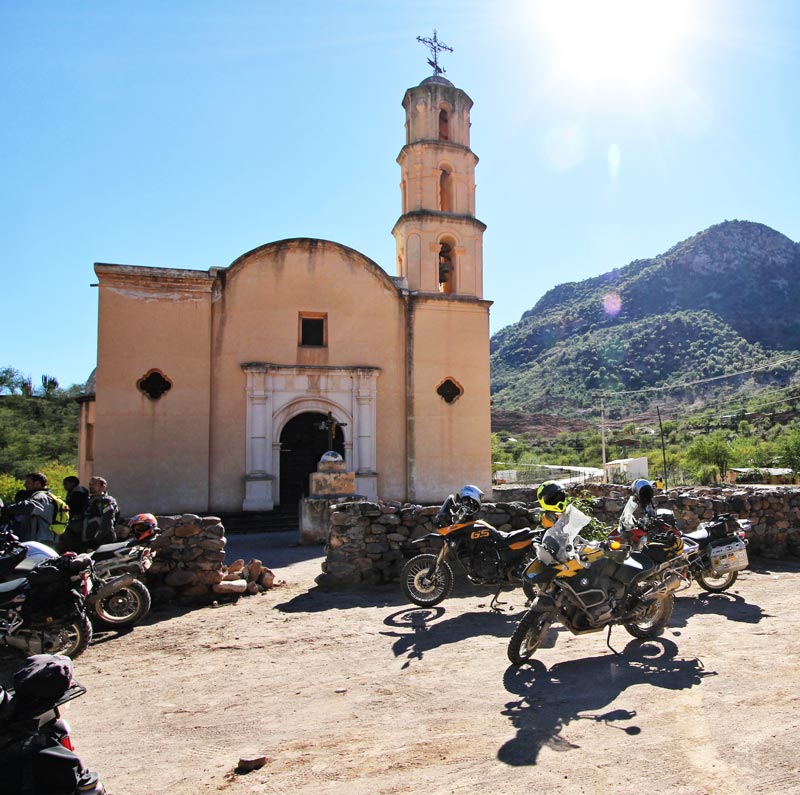 Copper Canyon Church (Credit: Bill Dragoo)
The six canyons of the Copper Canyon system in the Mexican state of Chihuaha should be high on the list of any adventure rider who wants a breathtaking desert experience. Parts of this canyon system (known in Spanish as Barranca del Cobre) are actually deeper than the Grand Canyon, and it covers more area as well, meaning there’s plenty of opportunity to ride.
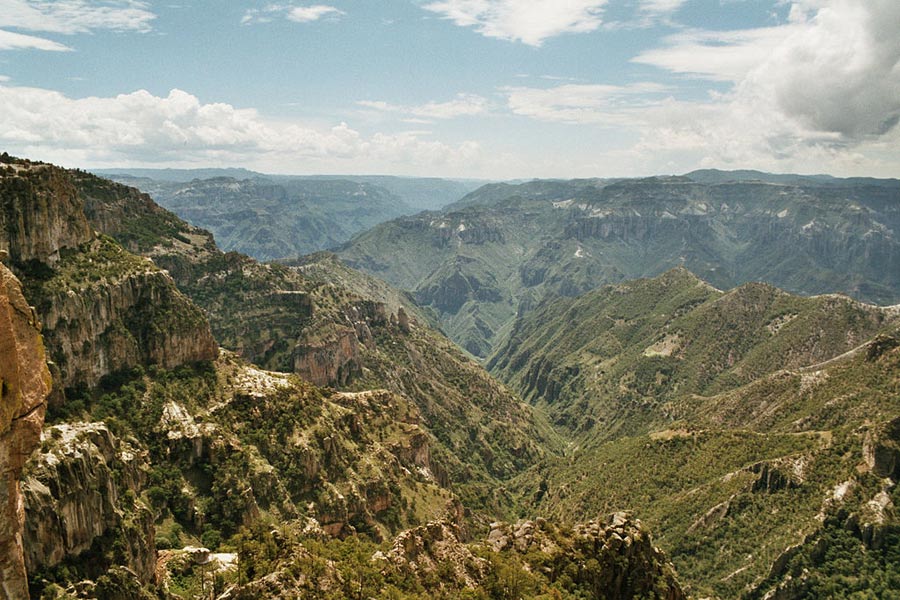 Urique River Copper Canyon (Credit: FL1PPER-Wikimedia)
The Mexican government is pushing tourism in the region, but it’s still not hard to get off the beaten path and immerse yourself in the local culture and landscape; Mexico’s largest waterfall is here, as well as hot springs and beautiful rivers. Because of the extreme elevation changes between the canyons and the surrounding mountains of the Sierra Madre Occidental range, riders will experience differing climate zones on their way from the canyon bottoms to the surrounding high plateaus. Arriving in winter means you can even experience freezing temperatures at some points.
Some travelers shy away from Mexico over fears of drug violence, but if you keep your nose clean, you should be able to avoid trouble. You can ride or trailer your bike down from the US (or up, from South America), or deal with a company that offers tours in the area - there are many to choose from.
2. Moab, Utah
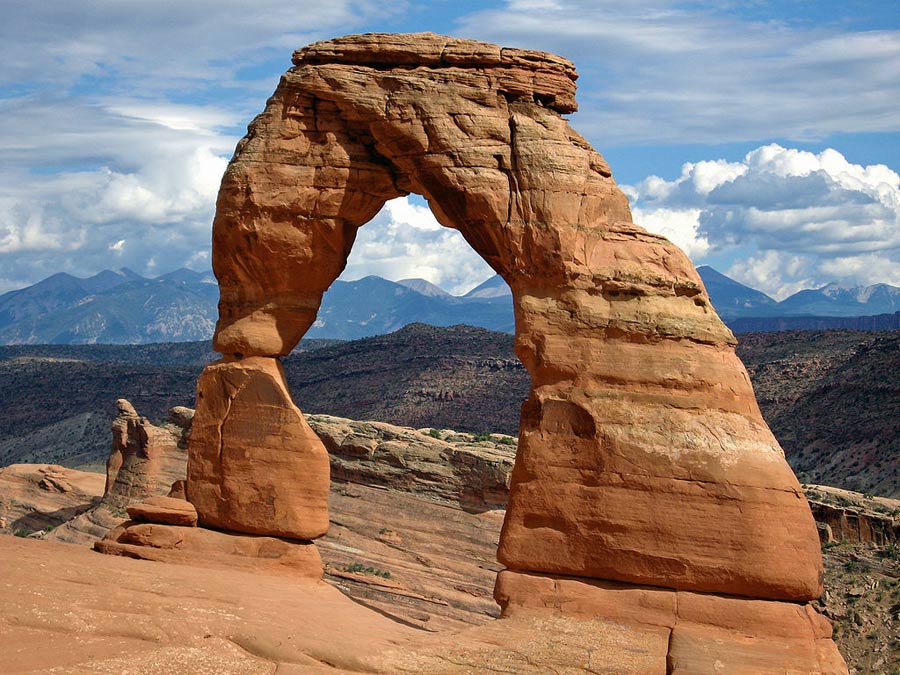 Delicate Arches Moab, Utah (Credit: Thomas Schoch)
Think of the epic sandstone desert scenery from all those John Ford westerns, with John Wayne and Co. riding around chasing bad guys. That’s the sort of picture you get when you’re bombing around in the wilderness outside Moab, Utah. Natural features like Corona Arch and Castle Valley will stick in your mind forever, but bring a camera anyway.
You’ll have to contend with sand in the desert here, but you shouldn’t have to worry about mud, or rain. This is a very popular area for four-wheeling and other outdoor activities, but don’t count on someone else being around to help you out if you get into trouble - be prepared with water and a toolkit in case things go wrong.
Want to tour the area? The , or both.
5. Trans Labrador Highway
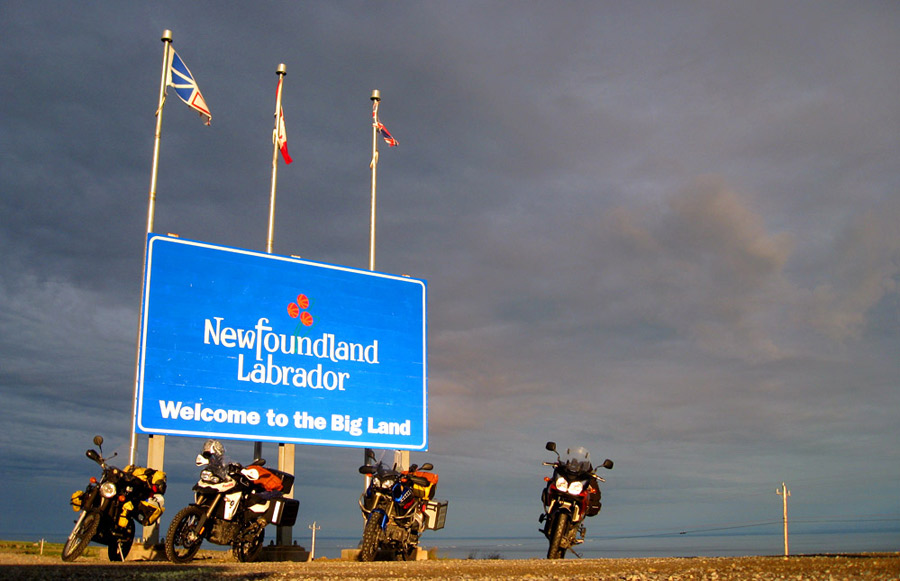 Trans Labrador Highway (Credit: Canada Moto Guide)
If you’re on the east coast of North America, the Trans Lab could be your best ticket if you want to get hopelessly lost in the wilderness - it’s only a couple day’s ride from the northeast US. The fun actually starts even before you hit Labrador, with gravel roads beginning in northern Quebec. Enjoy the twisty gravel, but beware of logging trucks.
Like the Dempster, bugs and other wildlife can be a danger, and weather will work against you - expect a short window of summer to fit your ride in, and even that can be chilly. There’s one notorious stretch of road that just about every rider packs a jerry can for (allegedly around 250 miles without gas stops), and you should also be prepared to camp.
Another variable is the ferry system. Most riders take the ferry to Newfoundland when they’re done riding through Labrador (or they arrive via ferry, depending which direction they’re riding), and then they must leave Newfoundland again via the ferry to Cape Breton. It’s smart to book in advance, but even if you do, there’s no guarantee weather will permit a crossing.
But, most importantly, there’s no guarantee the Trans Lab will even be a gravel road for long, as the provincial government is paving more and more of it every year. It’ll still be a rugged, remote landscape, with beautiful barrens and coastline, with plenty of off-road opportunity, and the Quebec sections of the route aren’t likely to be paved soon, but still, we’d recommend doing the route while it’s still got all that gravelly goodness.