 Sticky logo
 Search


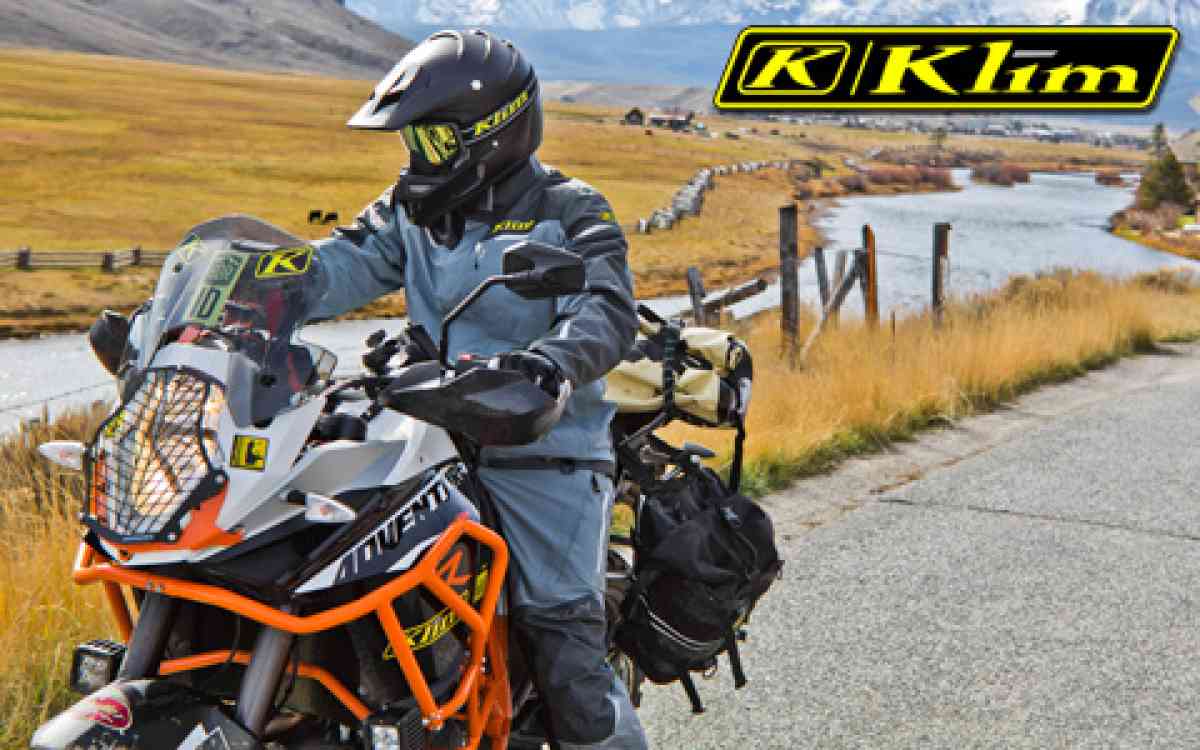
When Klim’s staff say they’ll use any excuse to get out and ride, they mean it. I’d already heard from industry friends that the folks from Klim were the real deal, but I found this out for myself on a recent multi-day adventure ride while visiting their HQ in Rigby, Idaho.
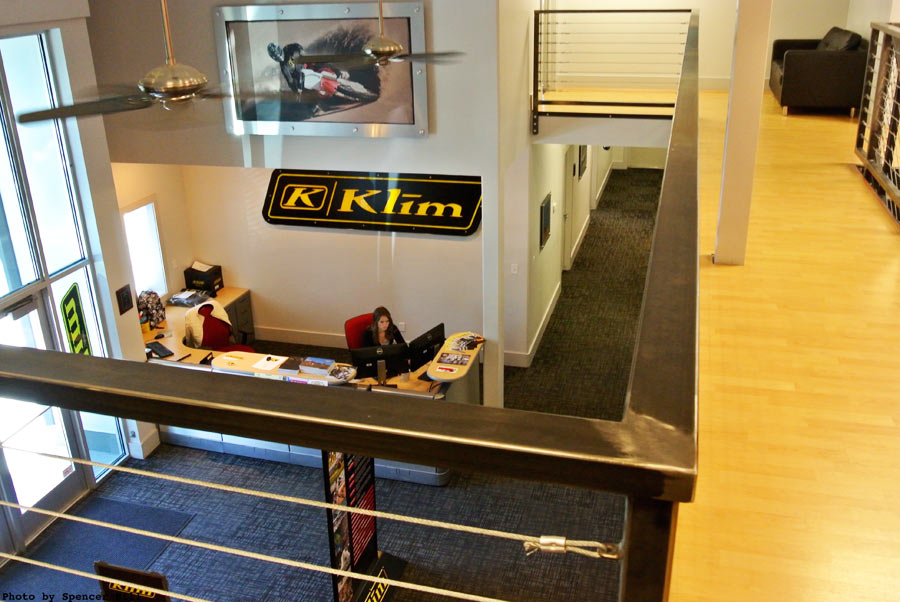
Upon arrival I took a brief tour of Klim’s home base before heading out to see their preferred “backcountry boardroom.”While being guided through the scenic dirt of southeast Idaho by Director of Marketing John Summers, I learned that from its inception in 1999, Klim’s been a “by the rider, for the rider”organization.
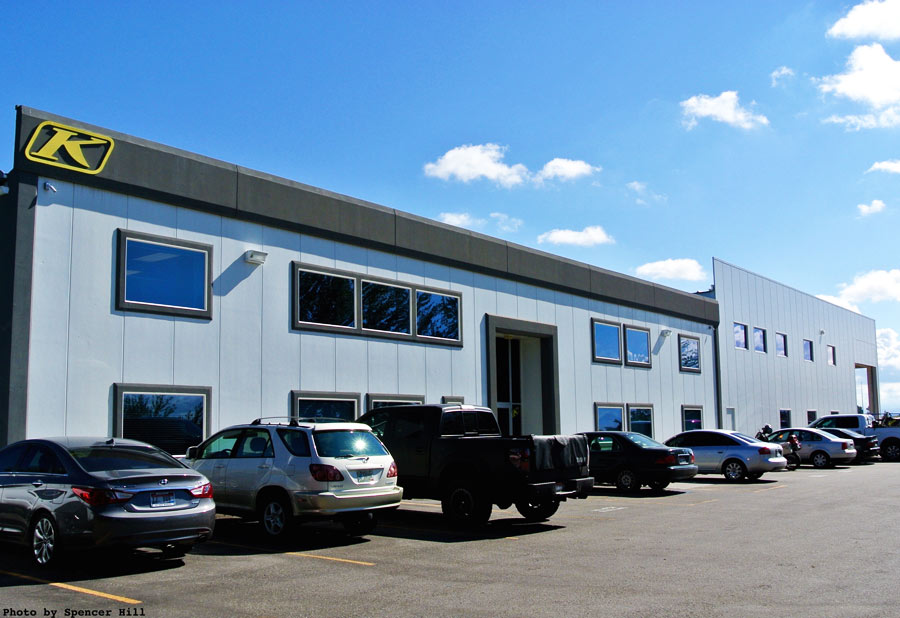
Klim began life as Teton Outfitters in 1994, producing one-off and heavily customized snowsuits for ski patrol and other winter industry insiders. Justin Summers, Founder, President and CEO, wanted to make products that mattered and saw the need for high quality protective gear.
In 1999 Teton Outfitters made the name change to Klim, and the company relocated from Salt Lake City, Utah, to Idaho. Around that time snowmobiling was becoming an extreme sport but the gear then available wasn’t holding up to the new demands. Klim set out to fill that void. At the same time, Klim began developing relationships with companies like GORE-TEX and Cordura in an effort to ensure the best materials possible for their technically advanced riding garments—and began building a reputation based on innovation and quality.
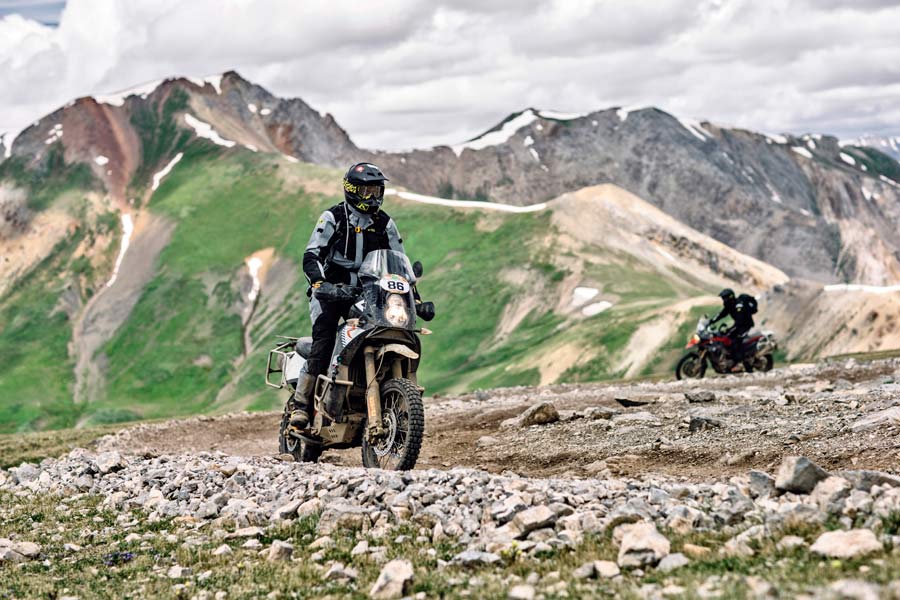
If you wonder how a company so rooted in snow sports became one of the leading producers of motorcycle gear, you’re not alone. Turns out that during the non-winter months when these guys couldn’t tear it up on snowmobiles, they rode dirt bikes. By 2005 Klim employees, tired of the shortcomings of the dirt riding gear then on the market, began developing products they believed were better. With the experience and knowledge gained in the snow sports industry, they transitioned, making an immediate impact in dirt riding.
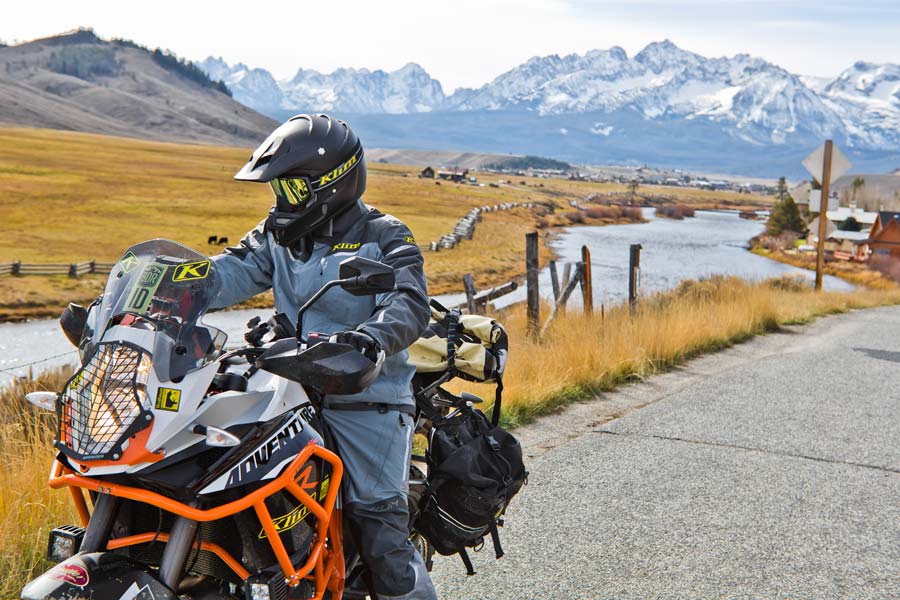
By 2009 the company noticed another interesting trend in the adventure riding community—riders were using combinations of Klim’s snow and dirt products. It’s difficult to imagine now, but only a few years ago the market wasn’t saturated with ruggedized riding gear suitable for ADVers. ADVers had been compromising and trying to find solutions to match their riding styles. Seeing a need, Klim’s designers began making adventure motorcycle-specific products and apparel. They asked questions like: “What does the rider need?” And, “What does each specific piece of equipment need to do?”
An even bigger change to Klim came in late 2012 when they were acquired by Polaris Industries. There was some feared that with Polaris at the helm Klim would be negatively impacted, whereas Justin Summers saw it as an opportunity to “have the resources to reach the next level.”
Meanwhile, Klim continues to operate out of Rigby, without adverse symptoms of the acquisition. They’ve grown immensely and continue to develop advanced products in the snow, dirt and adventure fields. They’ve even begun to dabble in street riding gear, and are expanding their line of women’s riding gear to accommodate that growing segment. With the backing and support of Polaris it seems the sky’s the limit for product advancement.
I learned a lot about Klim while trying to keep up with John in the backcountry of Idaho. From an outsider’s perspective it almost appears Klim has just been in a lot of “right place, right time”scenarios, but that’s not the case. Klim has benefitted from trends and culture changes of various industries but none of their success would have been possible without listening to the customer and their continued drive to make the best product possible. Klim.com