 Sticky logo
 Search


If you’ve been around the ADV scene for a while, you’ve heard of Schuberth—a preferred brand for many riders for years, particularly round-the-worlders. And now they’ve introduced the E1 Adventure helmet.
What makes Schuberth so great? We contacted Randy Northrup, president of their North American arm, to talk about why people love his company’s helmets.
Innovation is a major difference between Schuberth and many of their competitors, Northrup says, pointing out their many firsts over the years. Schuberth built the first full-face motorcycle helmet made from composite materials, experimented with innovative designs such as swiveling chin pieces (the forerunner of flip-up helmets), and even created dimpled helmets that resembled golf balls, to improve aerodynamics. They introduced the first true flip-up motorcycle helmet, built the first internal sun visors, and also developed the world’s first helmet with an integrated communication system—all features that appeal to long-distance riders and commuters alike.
That’s the company’s culture, says Northrup. They discover what features people need, and carefully integrate them into their helmets.
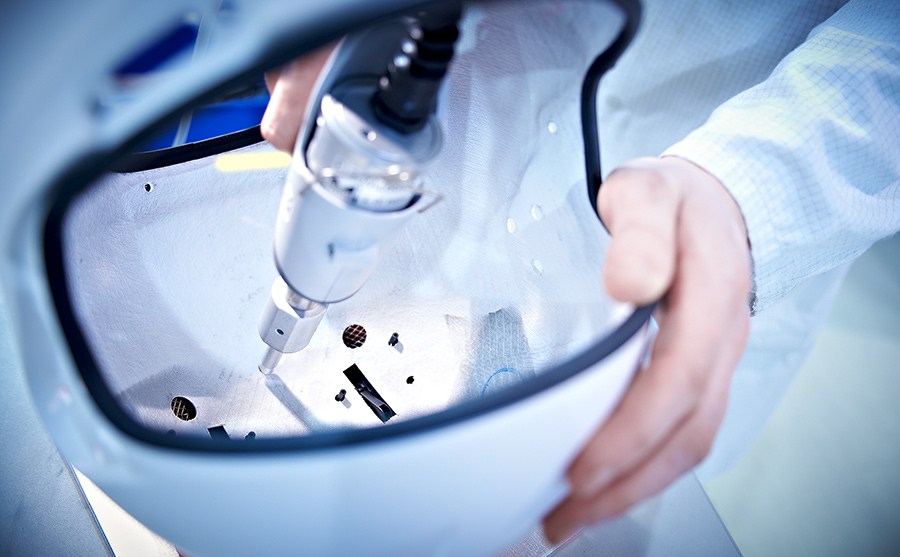
The company has been manufacturing motorcycle helmets since 1954. “Schuberth helmets are German-engineered and manufactured to meet the needs of the rider, not copied and made cheaper to meet market pricing criteria,” Northrup says. “They’re designed and developed from the ground up.”
Of course, it doesn’t hurt that Schuberth has a very broad range of products, extending far beyond motorcycle helmets, the core of their business (riders account for about 60% of their sales). They also sell helmets for the German military, Formula 1 drivers, police, and industrial workers, giving them a varied customer base with lots of feedback on how to build a comfortable helmet that offers protection from many different kinds of trauma.
Most important is the feedback from riders themselves, both inside and outside the company. Northrup says eight of Schuberth North America’s 12 employees own at least one motorcycle and the others are pillion riders, snowmobile enthusiasts, or off-road riders. When he visits the company’s German facilities in Magdeburg, Northrup says he sees dozens of motorcycles in the parking lot. Schuberth’s employees know what riders want because they ride themselves.
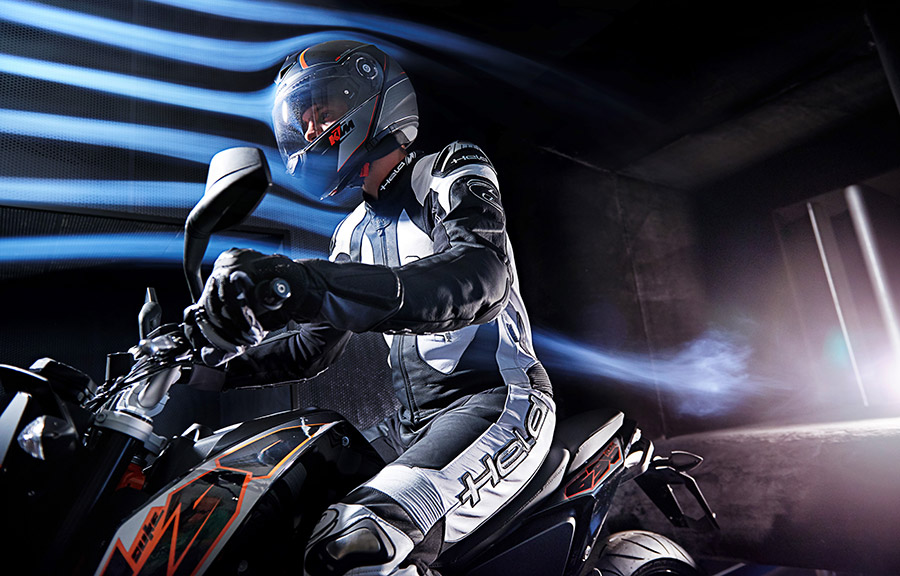
But outside the company, feedback from customers is essential to Schuberth’s success, starting when helmet serial numbers are registered after purchase. Registered customers get five years of free service. However, Schuberth does more than clean and repair their helmets. They ask for feedback to improve future products (owners also get three years of free crash protection and replacement, and a five-year warranty). That feedback is an important part of the development process.
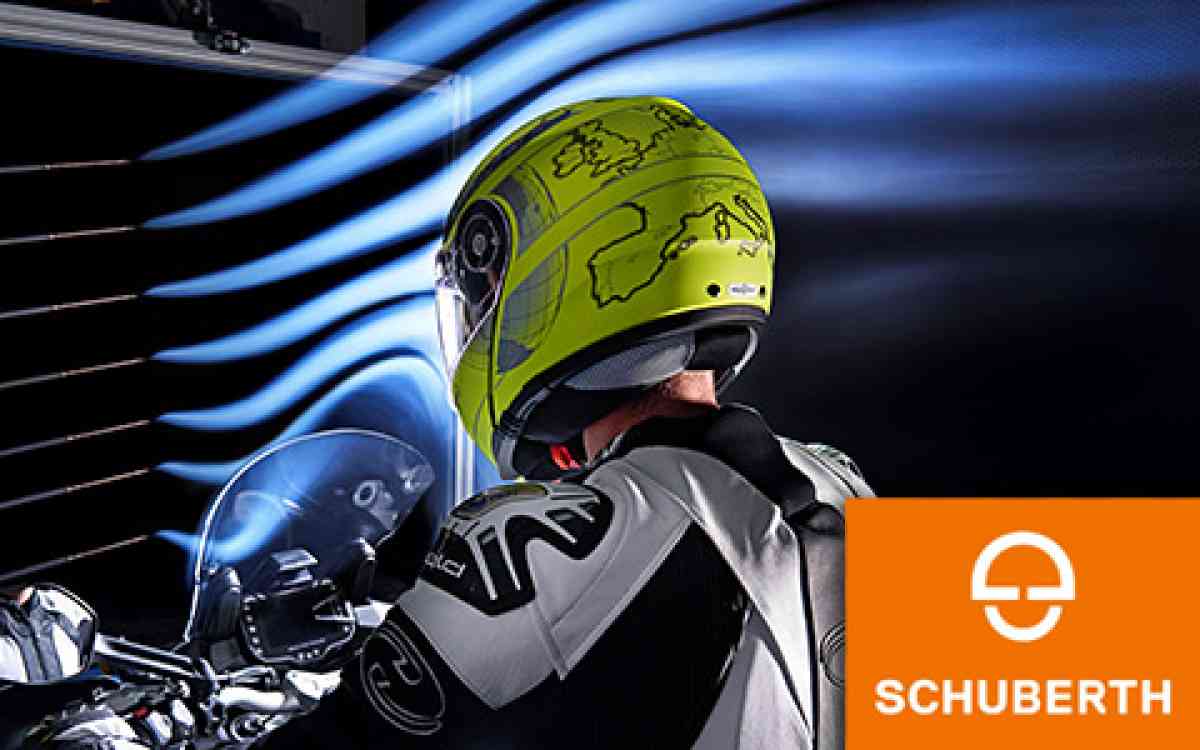
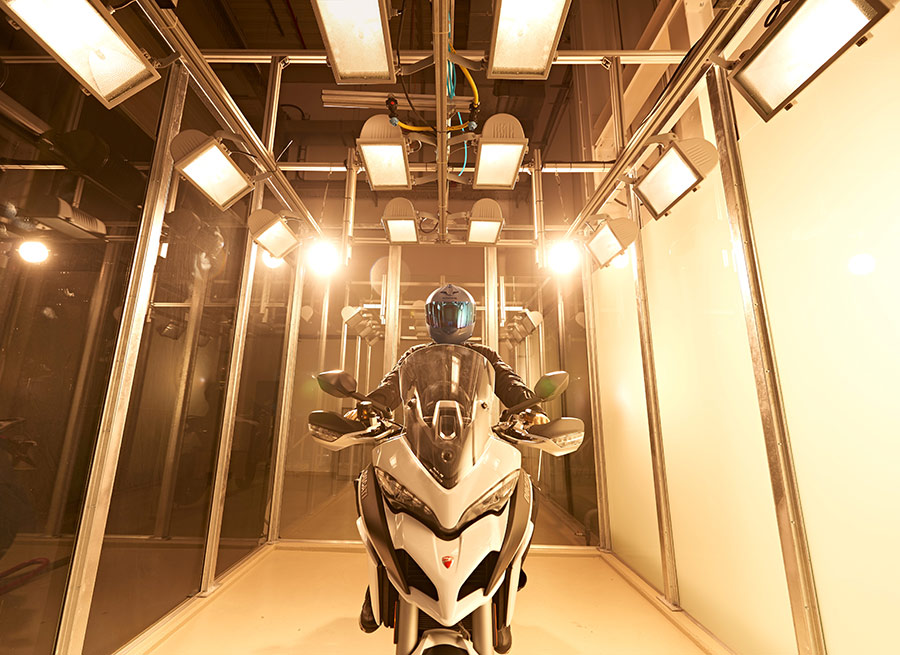
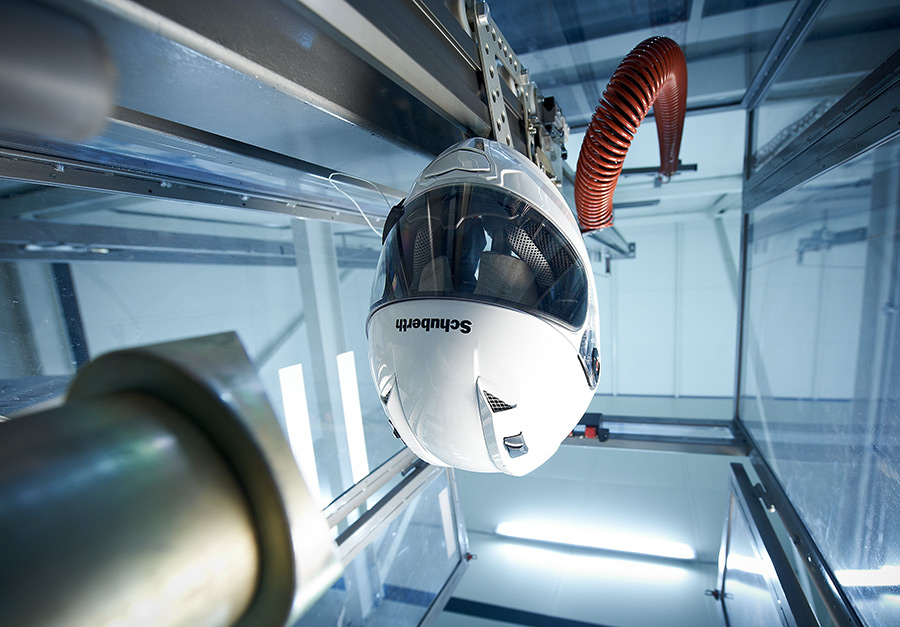
One huge advantage is their in-house wind tunnel, in use since 1985. Having a wind tunnel allows the fine tuning of their designs toward three very important goals: 1. They’re able to reduce buffeting by learning what aerodynamics work best, improving comfort for long-haul riders; 2. They’re able to use that knowledge of aerodynamics to help reduce in-helmet wind noise—their C3 and C3 Pro are some of the quietest helmets available; and 3. They can also fine tune the helmet’s internal air flow.
What does Schuberth have planned for the future? They’ve already made a host of minor tweaks to their original C3 and released it as the C3 Pro, but Northrup won’t say if there’s a similar plan for the just-introduced E1 Adventure helmet sometime down the road. He did say that along with the new SR2 race helmet coming to market shortly, Schuberth will be introducing two new categories of helmets at the Barber Motorcycle Museum’s Vintage Motorcycle Days in October. Given that they already have open-faced, full-faced, flip-up and adventure helmets in the lineup, this leads to some interesting speculation.
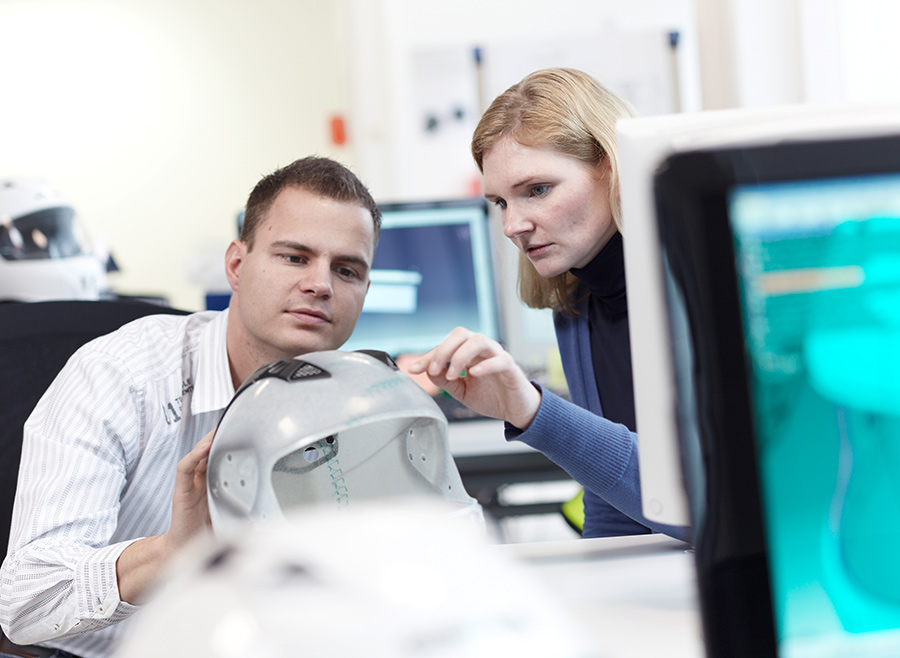
Generally speaking, it takes 24 to 26 months of development to bring a helmet to market. One of the hottest topics in the industry has been the “smart helmet.” Several companies have been hyping plans for helmets that integrate communications capabilities, GPS, Heads-Up Displays and other technologies. But the designs have been slow coming to market, heavy, or cost-prohibitive. Motorcyclists can be a conservative lot, so even when they’re open to the idea of a smart helmet, many are reluctant to drop big money on a product from an unfamiliar company. In the helmet world, a history of trustworthy designs goes a long way.
Given Schuberth’s propensity to push helmet design, we asked Northrup if they plan to introduce their own smart helmet. Northrup says they’re a head protection company which partners with outside companies to provide other technologies. For instance, their integrated Schuberth Rider Communication System is manufactured by Cardo. He says smart helmets are a great idea, but they’re proving difficult to bring to market.
He isn’t saying Schuberth will never build a smart helmet—they’ll keep up with improving technologies, but for now they want to build helmets that don’t distract the driver or compromise safety for technology. They focus on protecting riders, not checking their email or text messages.
Curious to know more about Schuberth’s products, particularly the new E1? Check them out at their website, or meet the company’s representatives in person at several different motorcycle meet-ups this year. They’ll have demo models at these events, if you want to take a Schuberth for a ride yourself, to see how it suits your own needs. Schuberth.com
{gallery}ARTICLES/Riders/Schuberth/Gallery{/gallery}