 Sticky logo
 Search


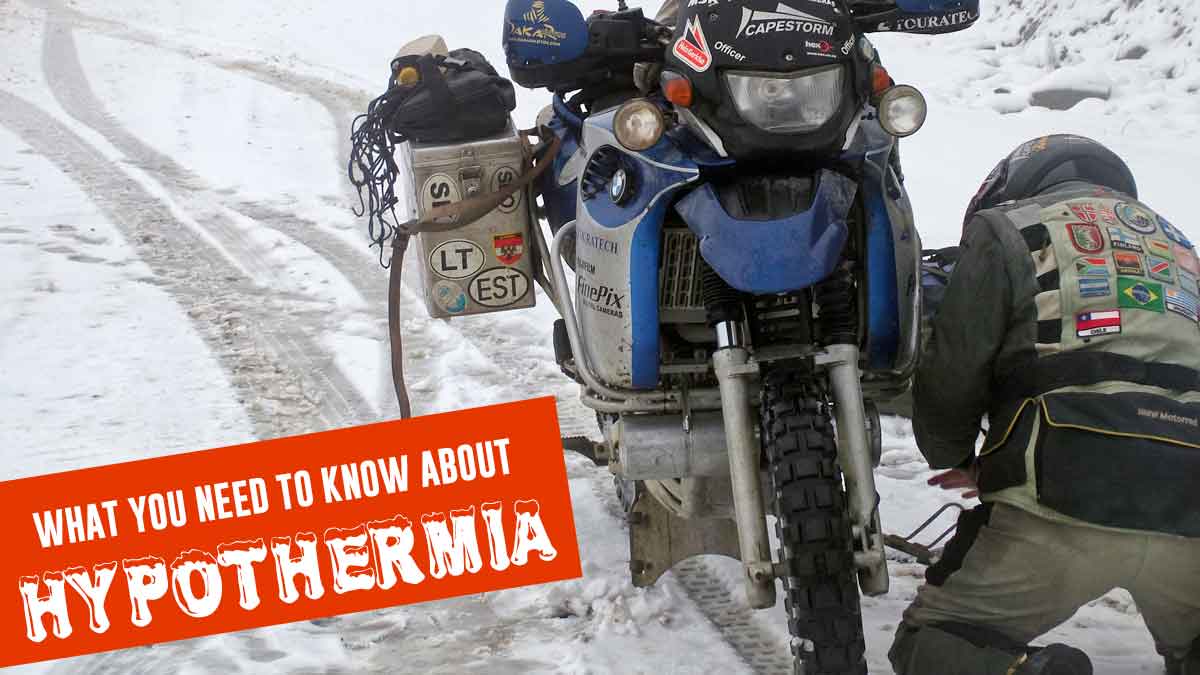
“It isn’t an adventure until something goes wrong.” That is the motto of Joe, my riding buddy, for our travels through Central America, the U.S., and several BDRs. It’s a mentality well suited for adventure riding in all kinds of conditions and circumstances—but for some situations, “something going wrong” could be wildly dangerous or even deadly. If you’re riding in the cold, there are considerations that will help to ensure safe and comfortable travel despite the frigid temps.
• Amateur Meteorology
Lastly, remember that salted roads usually freeze much colder than sanded or bare roads.
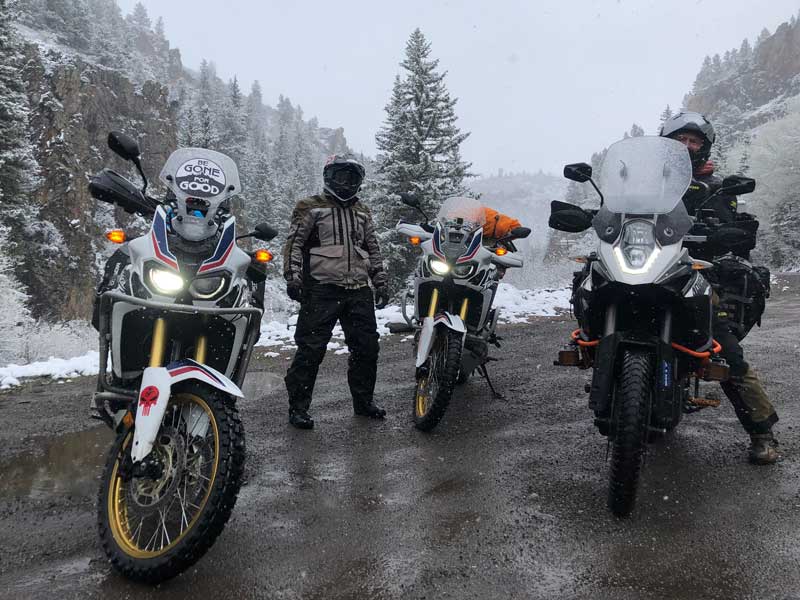 In less than three hours we saw temps of mid-60°Fs down to 30°F, which makes cold weather options vital.In less than three hours we saw temps of mid-60°Fs down to 30°F, which makes cold weather options vital.
• Planning Ahead
For long-distance travelers, many of the same principles apply, but they aren’t tied to routines such as going back and forth to the office. They can adjust plans for different routes, times, and longer or more frequent stops. When planning a trip that may run into cold weather, there are three additional categories to consider: gear, route, and timing.
When traveling in cold weather, everything takes longer—and I mean everything. In the morning, you’re wearing extra layers to stay warm. On the road or trail, you must pay attention to your speed and maneuverability—hypothermia can slow your reflexes without you even noticing. At stops, it can take longer for your body to warm before setting off again. You may even need to make extra stops just to shake off the cold or remove layers. Your riding may have to end earlier so your bike is off the road when the temps drop.
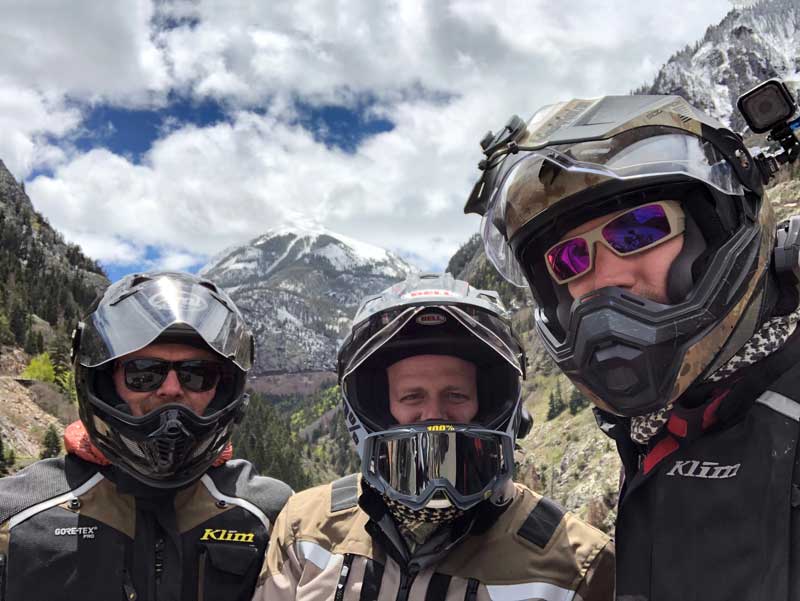 Awareness and preparation will ensure your ride is comfortable and safe when dealing with cold weather possibilities.Awareness and preparation will ensure your ride is comfortable and safe when dealing with cold weather possibilities.
• Gear Matters
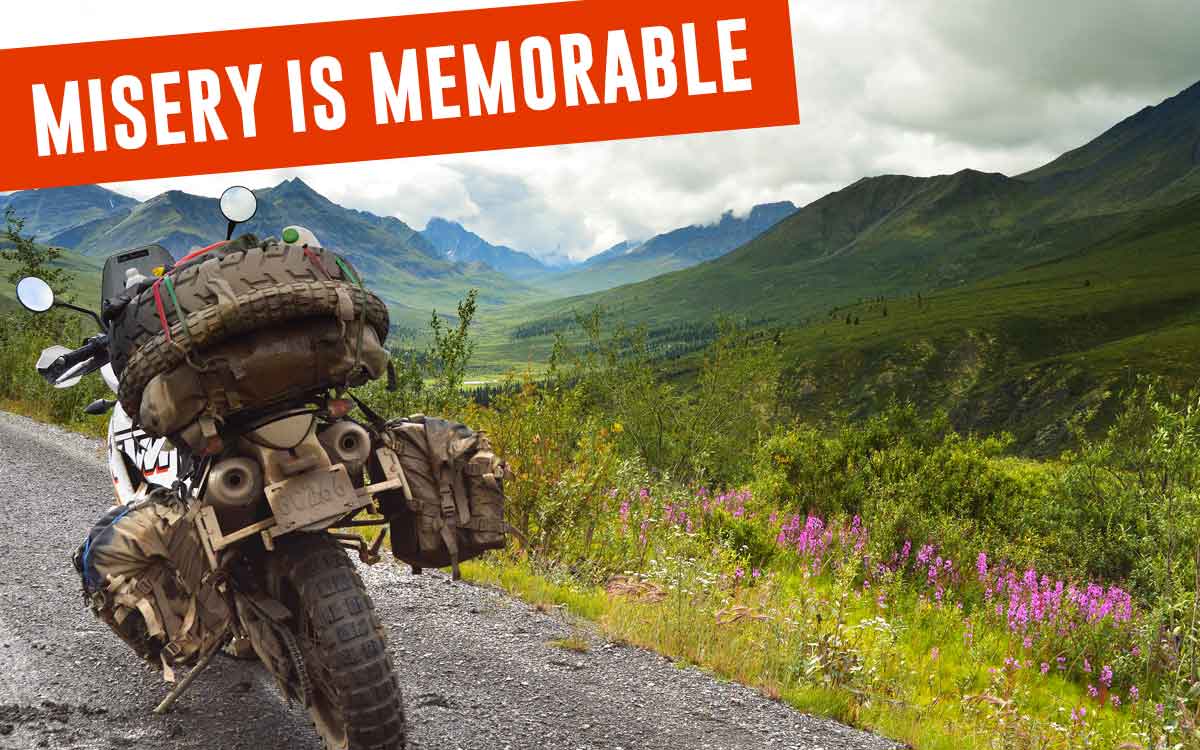
There are several items to wear to keep the warmth in and the cold out. My initial go-to for colder weather is base layers, which often cut the difference between comfort and misery. Almost every motorcycle brand makes solid (often expensive) base layers for riders. Alternatively, you can get long underwear online or from any outdoor retailer; it might save you some money. I wear the Klim Merino Wool collection.
The next item is a good pair of socks. This is even more important if your boots aren’t particularly protective. I tend to favor wool as it does a good job of maintaining warmth even if it’s wet. If you don’t have waterproof boots, this might also be a time to consider waterproof socks. I wear SealSkinz Stanfield socks.
Some also opt for glove liners or a balaclava. I’ve never found the need, but if you’re planning to head out in the bitter cold, these items could help significantly.
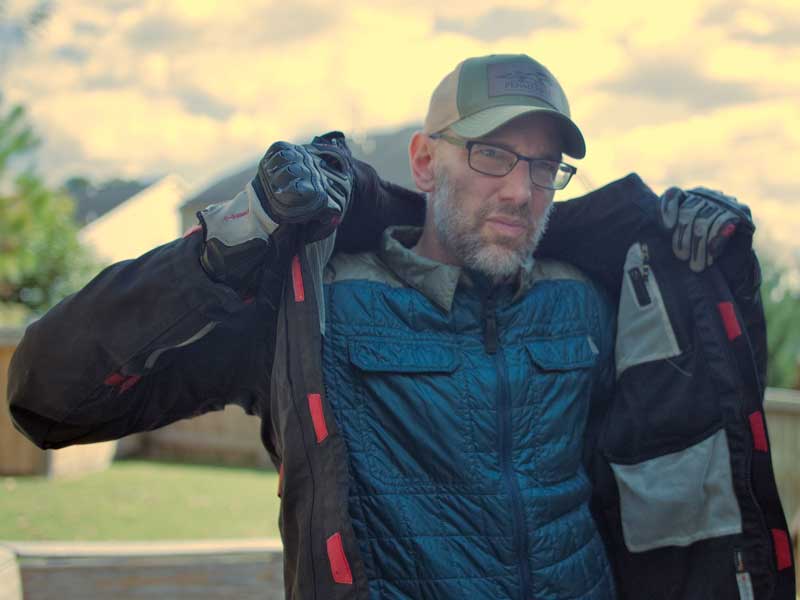 Choosing your layers wisely can ensure you’re ready for any changes the day will bring and can save you from a miserable ride.Choosing your layers wisely can ensure you’re ready for any changes the day will bring and can save you from a miserable ride.
• Moving to the Surface
From the base layers, I add more layers depending on the degree of coldness. I have tight sweatpants to throw on under my moto pants, long-sleeved shirts, sweatshirts, and puffy jackets that fit under my protective moto jacket. You can remove layers as needed, which allows you to maintain a relatively comfortable middle ground. For the packable puffy jacket, I use a Mosko Moto Jackaloft or a North Face.
Next up is the riding jacket and pants. Generally, we have different outfits for the various seasons, but whatever you have, make sure to zip up all vents and pockets to keep the airflow through the jacket to a minimum. I wear gaiters on all rides, even in the dead of summer, just to have an extra layer of protection, but use heavier ones as the temps drop. I’ve worn a scarf in a pinch for added warmth, and a shemagh is the perfect adventure-riding accessory, an absolute savior in the cold months.
When considering gloves, the tradeoff is between protection from the elements and “feel” for the controls of the bike. Whatever your choice, I urge you to find a good balance between warmth and the ability to operate the bike safely. My cold-weather gloves are Klim’s Tundras. They provide almost zero crash protection; however, they’re absolutely stuffed with Thinsulate to keep my hands warm.
There are a variety of tech options that you could choose that’ll increase heat retention while minimizing heat loss. There are electric vests, pants, jackets, gloves, and various liners that plug into the motorcycle or are independently battery-powered. I had a pair of plug-in liners that I used under my gloves that worked well enough, but the hassle of dealing with the cords and regulating the heat became too much. Instead, I use them off the bike to keep my hands toasty. If you routinely ride in chilly temps, an electric option might be worthwhile investigating.
• Dressing Your Bike
A few bike modifications can also help with cold-weather riding. Perhaps the most common cold-weather mod, if your motorcycle doesn’t already have them, is heated grips, which are wired directly into your bike’s electrical system. Generally, they can be adjusted for temperature settings. They’re a great option for cold riding and, paired with our next item, allow you to ride in almost any temps with just summer-weight gloves. Depending on how low the temps get, the problem with heated grips is that while they’ll keep the insides of your hands and palms warm, the rest of your hands can still get uncomfortably cold.
An alternative or addition to heated grips is handlebar muffs such as Hippo Hands. If you’re fitting these, be careful. Depending on the manufacturer, some designs may interfere with your hand controls, so make certain you do the job properly and safely.
And lastly, consider your tires. You need to know their “durometer” rating. A lower durometer mean better traction at lower temps. Although there’s more science to durometer ratings, the basic rule is lower sticks, higher lasts.
• Take Your Time
When planning your route in cold weather, your choices come down to a willingness to endure misery in the saddle and also your willingness to handle risk. Remember, any issue you may experience (crash, blown tire, mechanical failure) becomes a major threat to your life if you are also at risk of exposure. Choose routes that won’t leave you stranded if something goes wrong. And to be extra safe, ride with a partner.
For me, cold weather riding is something I do out of necessity, so I try to ride smart while I am out there. I don’t set records, explore beyond the plan, or attempt things for the first time. I treat the weather and my limitations with respect. My cold-weather riding has been reasonably enjoyable, even when the teeth start chattering.
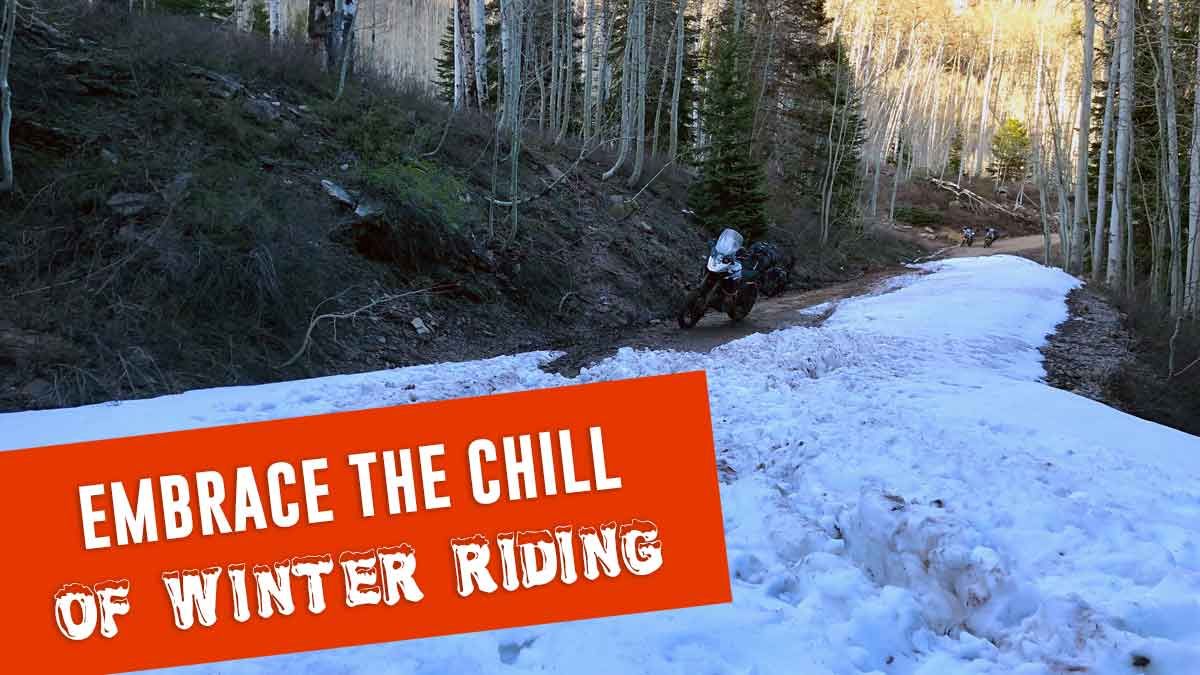
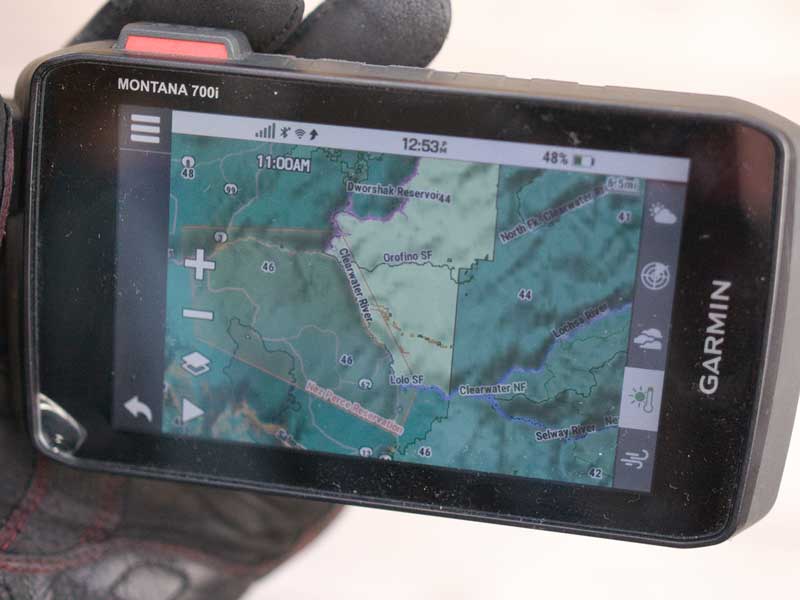 When the potential for cold is a possibility make sure alternate routes and stops are ready to go.When the potential for cold is a possibility make sure alternate routes and stops are ready to go.
 Chad Christenson is a new adventure bike rider and has quickly taken to traveling on two wheels. He has ridden across the country several times and journeyed through Mexico, Guatemala, and Honduras. You can follow his adventures on YouTube at “Be Gone for Good.”