 Sticky logo
 Search


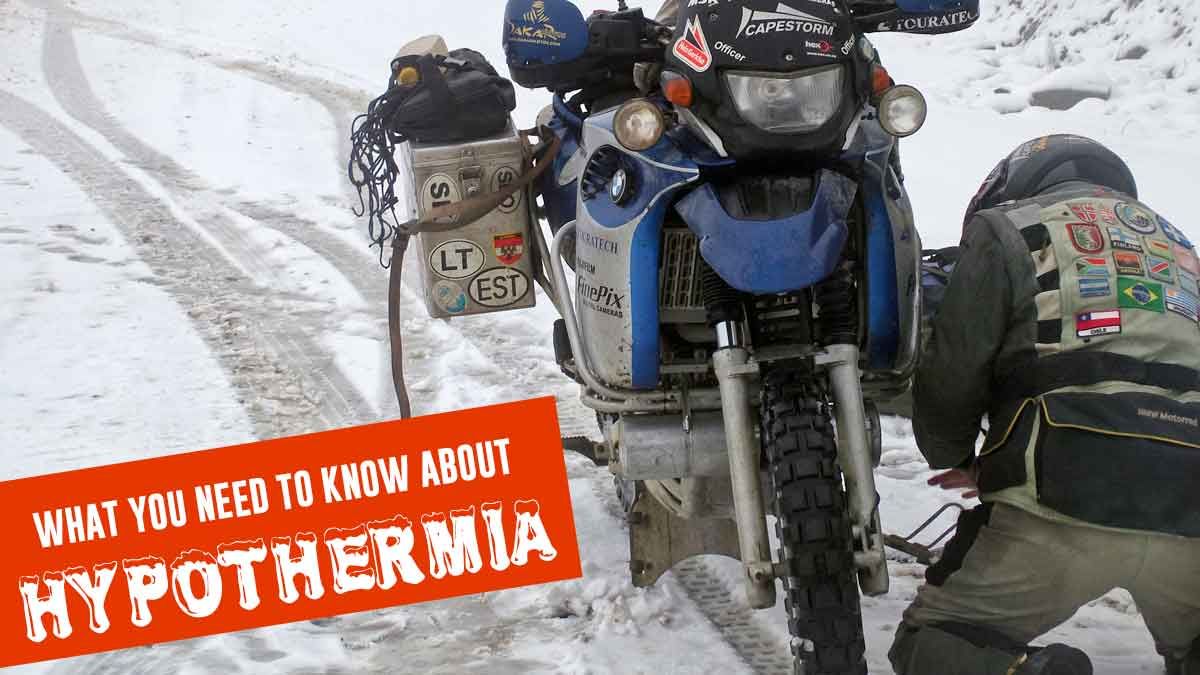
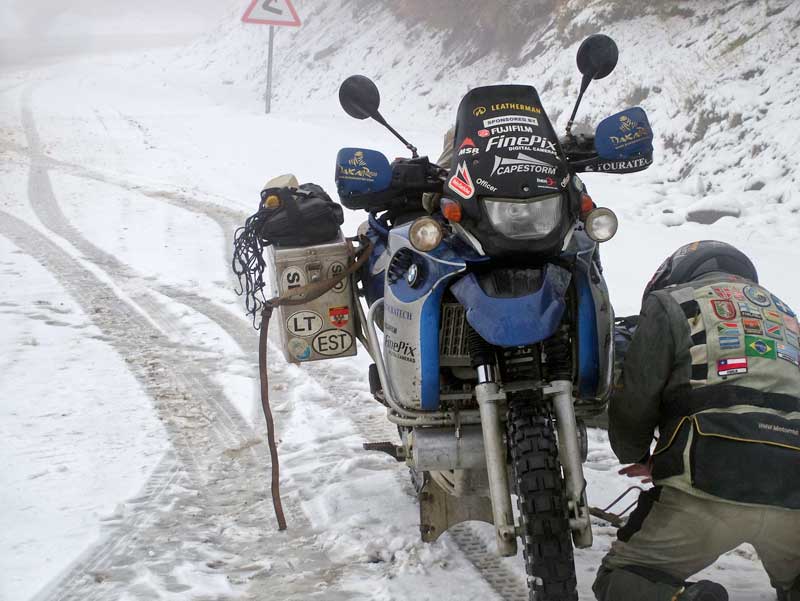
The idea of a cold weather motorcycle ride in the mountains, at least those seen on magazine covers, always seems so appealing. Gliding down frost-painted, sun-dappled fire roads, breathing in the brisk air….
Elliot hadn’t planned on this group ride taking place on such a sullen gray day with intermittent rain and sleet spitting down. He was usually a warm weather street bike rider, but was determined to enjoy another ride on his first adventure bike.
Wearing a heavy jacket and work jeans he felt reasonably warm, but frigid air was filtering down onto his chest and his too-tight gloves caused his fingers to ache. The ride was more strenuous than Elliot had anticipated. Several times he had to dismount to push his bike through ice-slick sections of a fire road, causing him to sweat profusely. And as the day wore on, the already weak sun began its retreat behind the clouds. Shivering, he couldn’t help but feel the chill, and his hands were having a difficult time synchronizing the clutch and throttle. The bike stalling several times didn’t help his bad mood, either.
At an intersection the group stopped for a break. As Elliot clumsily dismounted and removed his helmet, the others offered something to eat, but he just shrugged and slurred “no” before sitting down awkwardly beside the trail.
Luckily, another rider recognized that Elliot was suffering from hypothermia, or simply, lower than normal body temperature. Hypothermia is a quiet killer, and while not as dramatic as getting hit by lightning, or being pulled off your bike by a wolf, hypothermia has killed far more people than all other outdoor misadventures combined.
Technically speaking, you don’t actually “freeze to death.” What actually happens is that you die from hypothermia, then your body freezes… perhaps a minor point, but one that helps explain how insidious hypothermia is. And it doesn’t have to be bitterly cold; depending on your health, amount of insulating body fat, and length of the exposure to lower temperatures, it’s possible to become hypothermic even when temperatures are in the 50°Fs.
• The Four Stages of Hypothermia
At some point, we’ve probably all experienced Stage One in which body temperatures drop by 1.8–3.6°F and we shiver, which is essentially caused by the muscles quivering to keep warm. It takes a lot of energy to shiver—using up the limited stores of glucose. Fingers and toes also become numb or painful as blood vessels constrict to conserve warmth. In most cases, getting indoors or putting on additional insulating clothing resolves the problem.
In Stage Two, body temperature drops 3.6–7.2°F farther. Sensation is lost in the extremities, movement becomes clumsy, often followed by irritability and difficulty processing thoughts. Shivering becomes more violent, until the body ultimately runs out of glucose stores, where the shivering stops completely.
Transitioning to Stage Three, the body temperature drops below 90°F and is chilling rapidly, now that it has stopped shivering. Walking is almost impossible, the victim falls into a stupor, and as metabolic processes shut down Stage Four begins—ultimately bringing on unconsciousness and death.
The progress of hypothermia is gradual. The transition from simply being cold and miserable to sliding into full hypothermia is so subtle due to decreasing mental function—the victim never realizes what’s happening. This is why when we ride in cold weather we need to look out for one another. Luckily, in Elliot’s case, someone was looking out for him.
• What do you do if someone becomes hypothermic?
Early symptoms are treatable in the field. Simply put, get the rider warm and dry, and out of the wind (if possible) to remove wet clothing. In our story, the other riders rummaged through their saddlebags and quickly replaced Elliot’s soaked T-shirt with polypropylene fleece (which has insulating capability even when damp), and put a stocking hat on his head (the head and neck lose a great deal of body heat). He was also given food with sugar and fats (sugar candy, chocolate, peanuts, etc.), along with hot tea to replenish lost calories.
How about a shot of alcohol? No, a gulp of rum might give a slight glow, and make one feel briefly warmer, but that’s just the brief vasodilation from the alcohol bringing blood to the skin surface, where the blood gets chilled, returns to the body core, and finally makes us even colder… no alcohol.
• How do you avoid hypothermia in the first place?
Dress appropriately. Instead of one heavy, bulky jacket, wear multiple layers that can be peeled off as you heat up. Wear synthetic clothing, especially undergarments; once cotton gear gets wet, it stays wet, and wet clothing wicks away body heat 25 times faster than dry. Too-tight clothing, such as Elliot’s gloves, constricts circulation and makes one chill faster. Another good practice is to put on a stocking cap after removing the helmet. And as mentioned, always be snacking on high energy foods. Most importantly, keep an eye on your fellow riders, making sure they’re okay.
 John Luck is a long-time motorcycle rider, and when he's not headed somewhere on his bike, he can usually be found in Patagonia or Antarctica, where he works as an EMT and photographer on various expeditions. He’s just returned from his 14th Antarctic expedition.