 Sticky logo
 Search


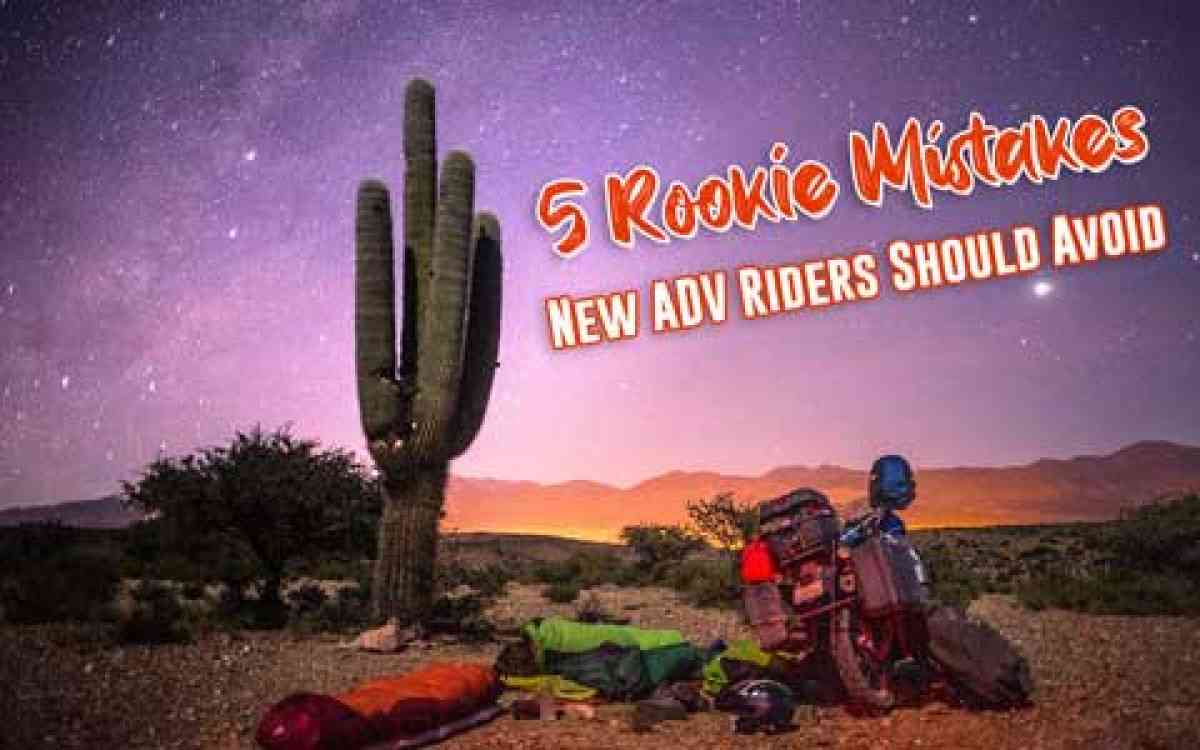
Embarking on your first adventure motorcycle ride is an exhilarating experience, but comes with its own set of challenges. Many new riders make avoidable mistakes that can dampen the thrill of the ride or even pose safety risks. From skipping essential training to overpacking, or misunderstanding their bike’s capabilities, rookie errors are more common than you think.
This guide dives into the top 5 mistakes beginner adventure riders make—and how to have a safer, more enjoyable journey. Whether you’re just getting started or looking to refine your skills, these tips will help ensure your adventure is one for the books!
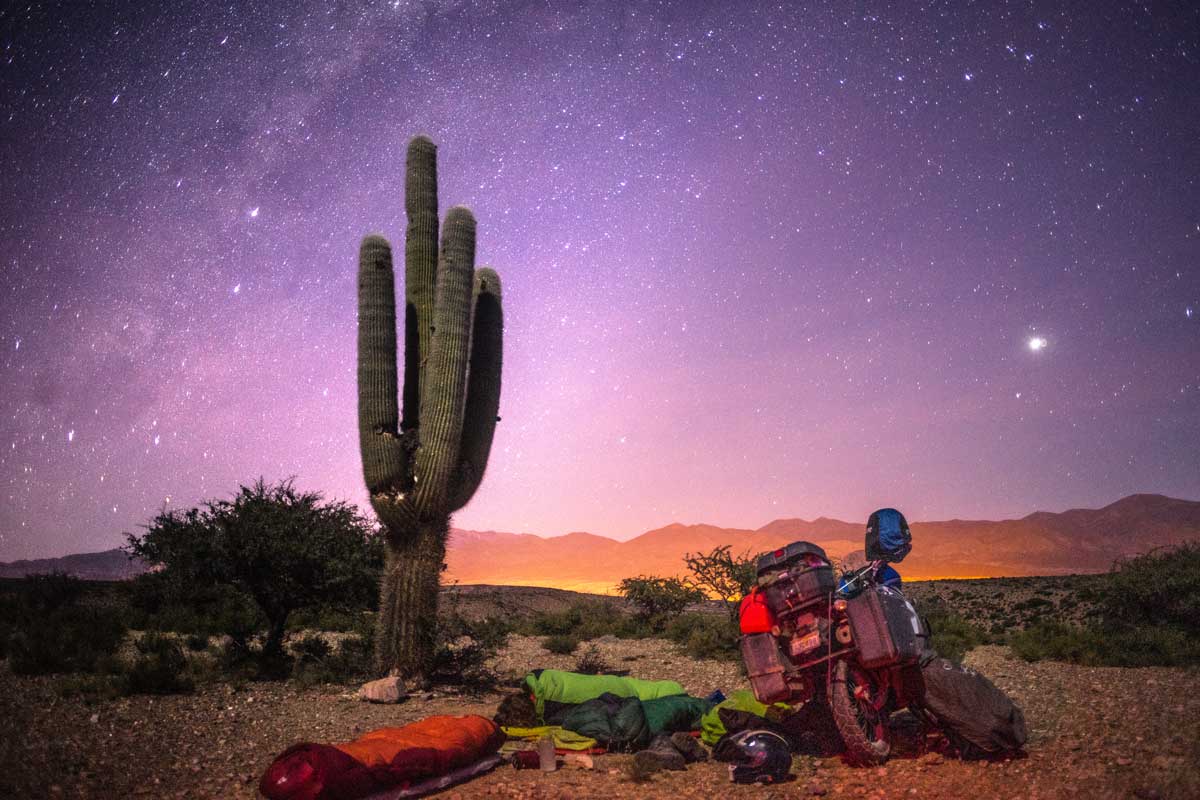 Photo Credit: Pat Corden
• Taking an Appropriate Training Course
Ignoring formal training is one of the most common blunders made by rookie riders. When it comes to motorcycle training, you need to consider both - street and off-road courses and that’s because highway cruising and city maneuvering are very different from adventure riding.
Street riding demands a mastery of traffic control, cornering, and braking. Conversely, off-road trails test your ability to interpret different terrains, such as loose gravel, mud, and sand, as well as your balance and control. It'll teach you the value of correct body posture - for instance, leaning forward when ascending a steep hill or moving your weight back when descending. These subtleties are not always obvious and may call for professional advice.
An adventure bike's sheer bulk and weight can easily overwhelm a novice, particularly when facing difficult terrain. Most riders might feel that skipping training may save money, but if you actually weigh the overall value, the long-term benefits of the information and skills you acquire could include avoiding expensive repairs or injuries brought on by preventable errors.
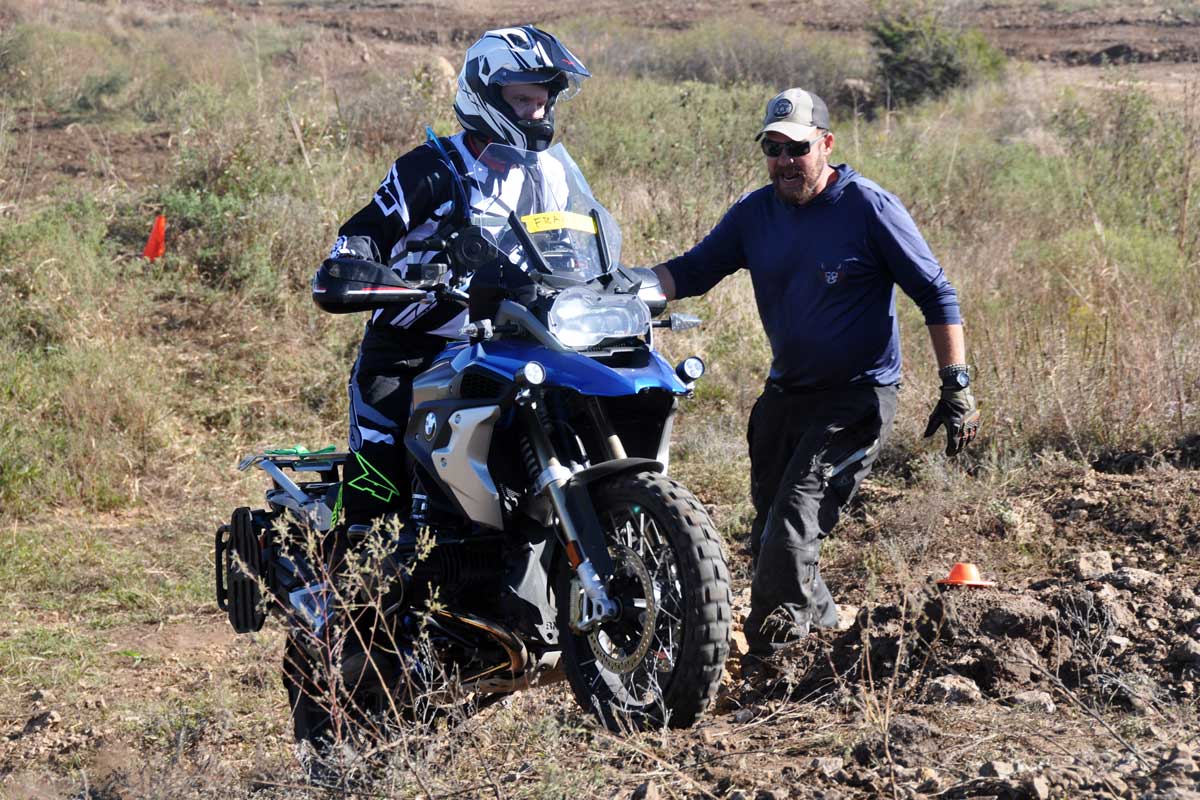 Photo Credit: Jenny Vigil
• Know Your Bike Inside and Out
The bike is a big part of adventure riding but it’s not the only thing. You, the rider play an equal role in it. One of the most common rookie mistakes is hopping onto an adventure motorcycle without fully understanding what it’s all about, its features, capabilities, and most importantly, its limitations.
Today's adventure bikes are packed with features, from adjustable suspension and multiple riding modes to ABS settings and navigation systems. So, if you don’t take the time to learn how to operate these features, you might not be using your bike to its full potential — or worse, you could even end up accidently disabling a critical system like ABS when you need it most.
Start with the small things — the owner’s manual will have essential information on everything from basic maintenance to how to adjust settings for different riding conditions. Then, take some time to familiarize yourself with the bike's weight distribution, and how it handles on different terrains.
Perhaps the most important thing to learn is knowing how to perform basic maintenance and troubleshooting. On long-distance adventures, you might find yourself far from help. If something goes wrong, which is a given on long adventures, learning how to fix a flat tire, adjust the chain, or check for loose bolts can make a huge difference in ensuring that you and your bike are prepared to handle whatever the road — or trail — throws your way.
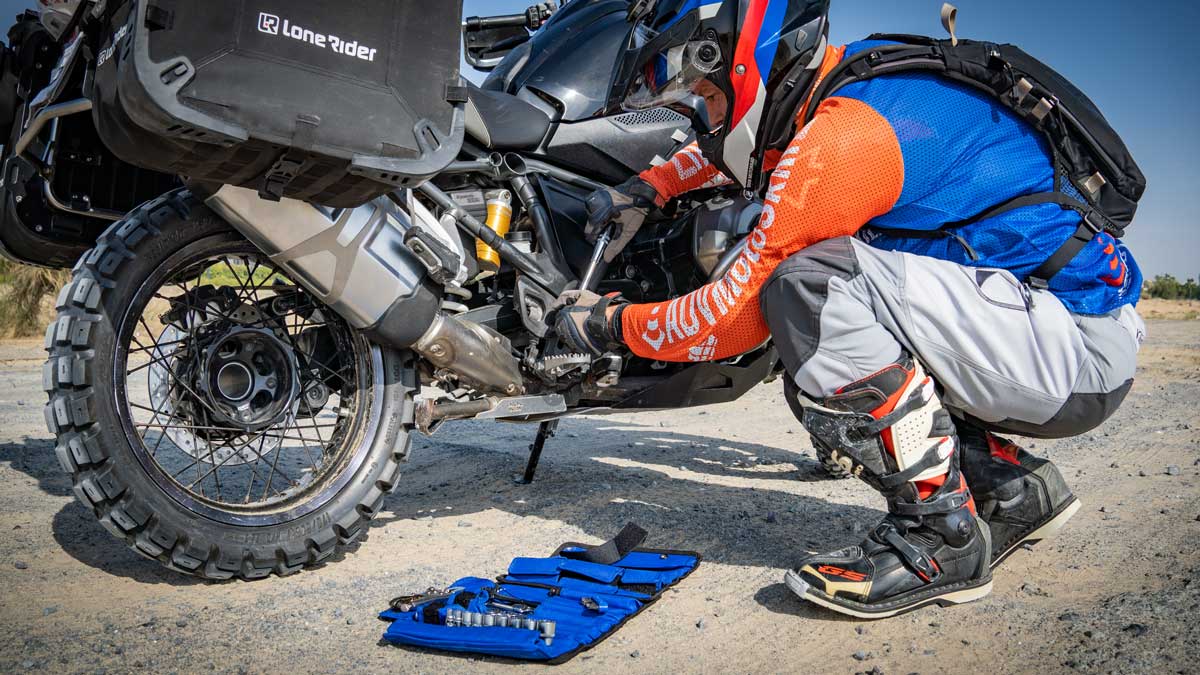 Photo Credit: Mike Carroll
• Don’t Overpack Motocycle Gear and Equipment
This tip comes from a lot of personal experience. It takes years of adventure riding to understand that you can never really pack light enough. No matter how hard you try to lose weight, you will almost always overpack on your first adventure ride.
Overpacking has many detrimental impacts on your experience. First is you’re carrying unnecessary weight which is harder on all parts of your bike including suspension, drivetrain, brakes and even frame. Keeping your bike as light as possible and placing weight as low as possible on the bike will go a long way in ensuring you have a safe and fun trip.
With time, you will eventually discover what you need and don't need. The truth is, there is no ideal approach to packing light because different things work for different people. Simple things like planning ahead, knowing the weather and reusing your gear on long rides will all contribute to packing light.
You can either go the hard luggage route or the soft luggage route. It’s a given that hard luggage accessories weigh more and even though they give you an extra sense of security, they are usually best for touring and larger bikes. Consider using soft luggage options like saddle bags and tail bags for smaller bikes or if you plan to get way off the beaten path. Play around with a few options and see what works best for you. Make some small overnight test or “shakedown” rides before heading off on your big adventure!
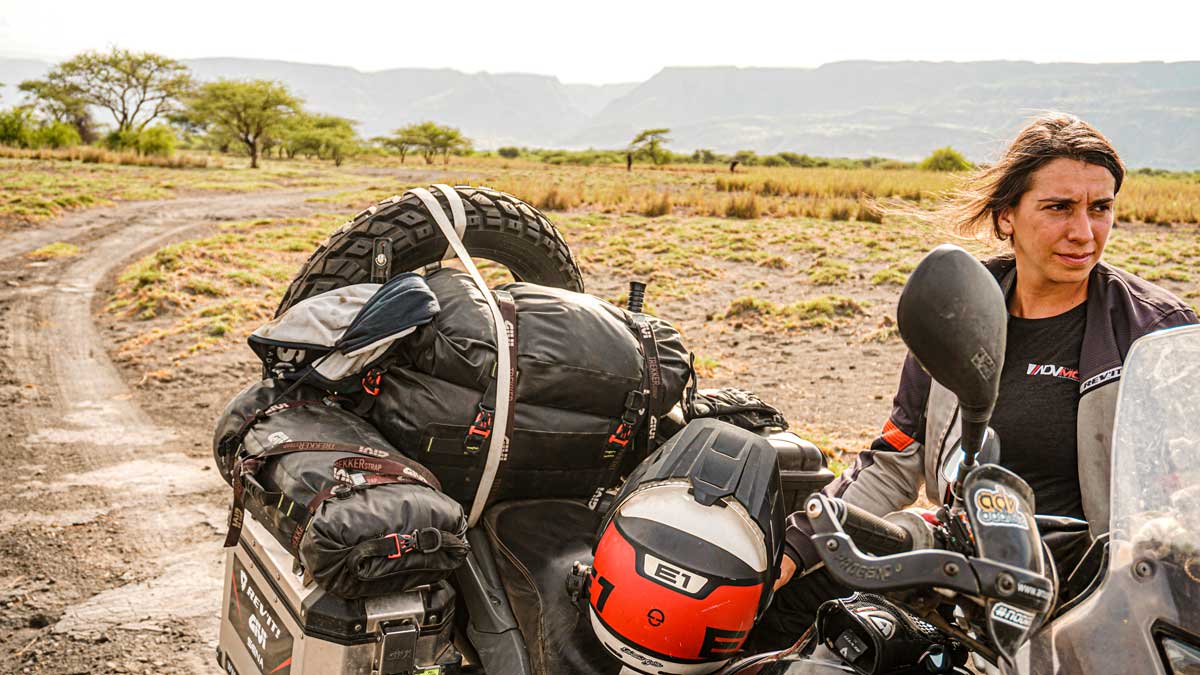 Photo Credit: Manu Torres
• Establish a Packing Routine
Another aspect of packing light is knowing how to pack efficiently and what way works for you. Since everyone carries different motorcycle gear and equipment, this will need to be figured out on an individual basis. What does it mean though? Simply put, don’t make stuff you need to grab on a regular basis hard to access or find. You waste time and also create an opportunity to forget or lose something each time you have to pack and unpack your bags.
Some heavy stuff like tool rolls and spare fluids may be better at the bottom of a saddlebag, while a fresh change of clothes, lubes or cleaners, may be better at the top. Also, use smaller bags to organize your gear and avoid sticking lots of loose items in your saddle bags. Not only does this streamline packing, but may also minimize damage or wear from constant bouncing and vibrations. Tank bags should hold most of your immediate need items, but everyone’s setup is different.
Don’t forget this also applies to the stuff in your riding jacket! Some touring and adventure riding jackets have so many pockets, you could play a game with them. Putting your wallet or ID in the same pocket every time is by far the best way to not lose it. It makes it easy to do a quick tap check after a fill-up. Carry and organize your most important stuff in your personal gear and develop a system for quick checking everything is in place before pulling out. Wallet, phone, keys … check!
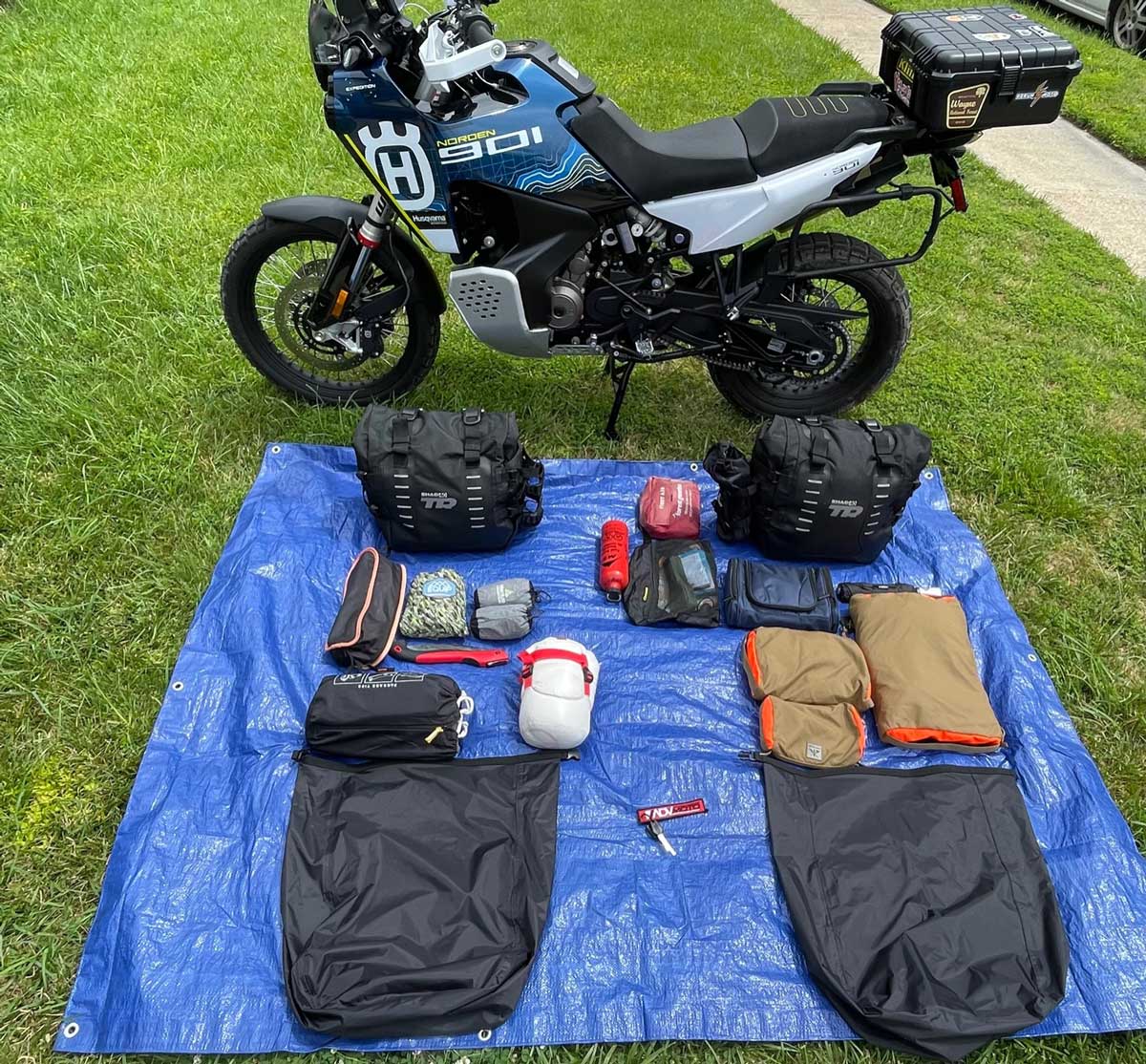 Photo Credit: Eric Haynes
• Understanding Even the Smallest Bikes Are More Capable Than Most Riders
This is one of the most common mistakes I've seen a lot of riders make in adventure riding. Many new riders are drawn to the allure of big adventure bikes with high horsepower and advanced amenities and whatnot, but this approach often overlooks a critical truth: some of the smallest bikes are far more capable than most riders, especially beginners.
Look at it this way - smaller, simpler bikes are easier to handle, particularly for new riders learning the basics of balance, braking, and throttle control. Their overall size and weight allow for greater confidence in low-speed maneuvers, a skill that is essential when navigating tricky terrains. Smaller capacity bikes also shine in off-road scenarios where agility and ease of control are key. They are less intimidating to pick up after a fall but most importantly, they are affordable.
This means you won’t have to stress about expensive repairs from inevitable beginner mistakes. Once you’ve honed your skills and gained confidence, you can graduate to a larger, more powerful bike that matches your new abilities. Who knows, you may never end up wanting to make that jump.
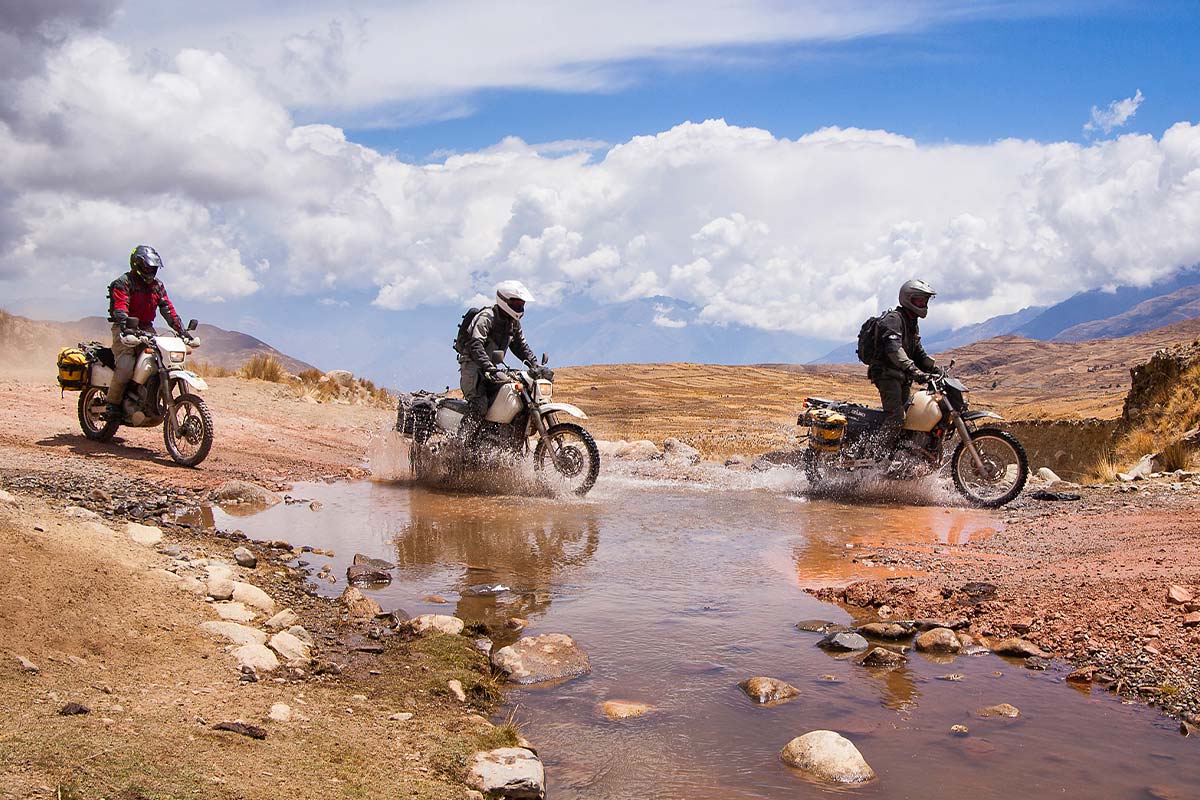 Photo Credit: Sergio Balivian
Ultimately bikes are like shoes. Some are meant for running while others are meant for hiking, work or dancing. What’s important is to find the right bike for your riding goals.
If you can keep some of these important points in mind, you’ll hopefully get a good start to a lifetime of riding. For more new rider tips and tricks, be sure to visit our website, AdventureMotorcycle.com!
 Having over 15 years of experience traveling and documenting his adventures, Utkarsh Sood lives and breathes all things motorcycle. His quest to travel, write, and create films pushed him to quit his fancy advertising job to live life on his own terms. Or so he thinks. When he is not writing about bikes, he's busy riding his trusted Royal Enfield Himalayan and creating content for his project 'Silence & Stories'.