 Sticky logo
 Search


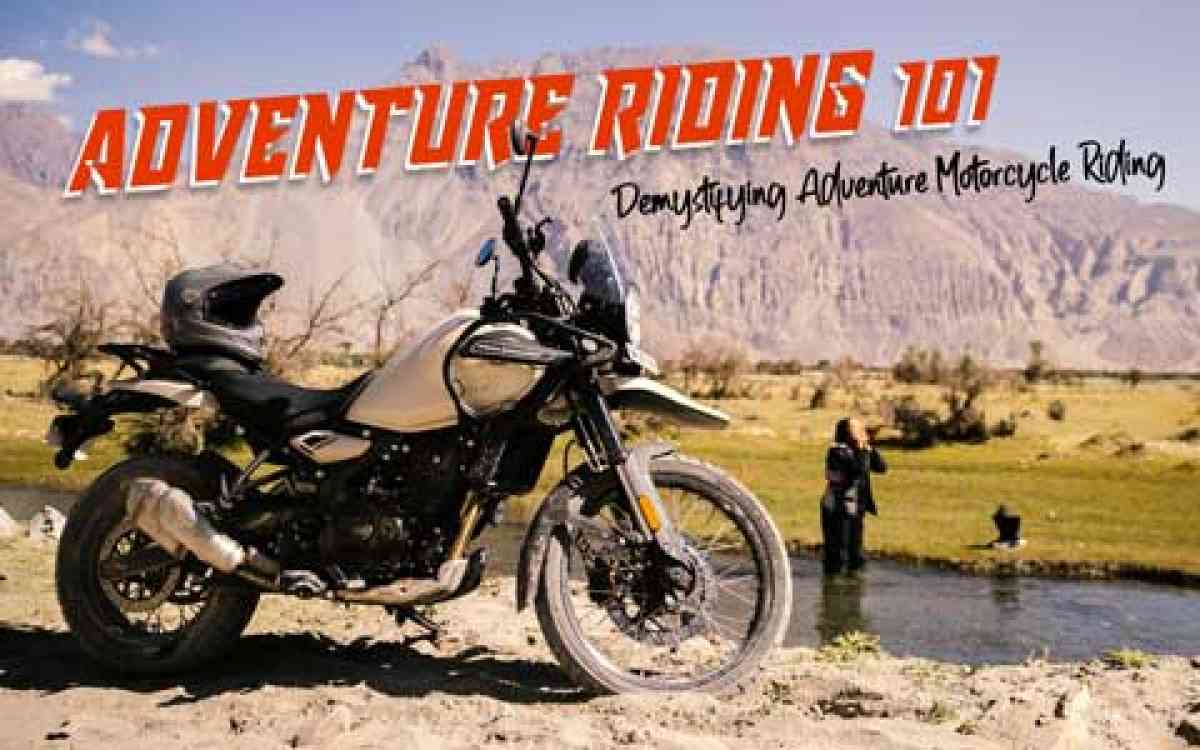
Entering the ADV world and overcoming the challenges can seem daunting at first. But the obstacles that keep you from your adventure-riding dreams ultimately boil down to two major categories: knowledge and cost.
Let’s start with knowledge. Training to become a “safe rider” is a lie. We take training to improve as a rider, which reduces risk, not to become a safer rider. I choose my words carefully here because safety is not the ultimate goal. If you want to be safe, stop reading this now, burn this magazine, and sell your motorcycle—that will make you safer! Otherwise, you need to focus on improving your skills to better handle the unsafe situations that you will inevitably encounter, no matter how much time you’ve spent training.
When I started coaching 28 years ago, I truly believed I was training riders to be safe, but time provides the greatest perspective. Ultimately, motorcycle training gives you knowledge. This knowledge gives you the skills and understanding to make wise choices that ultimately reduce risk and make riding more fun. The hazards still exist, but you have a greater capability to handle them and a greater enjoyment of riding in general.
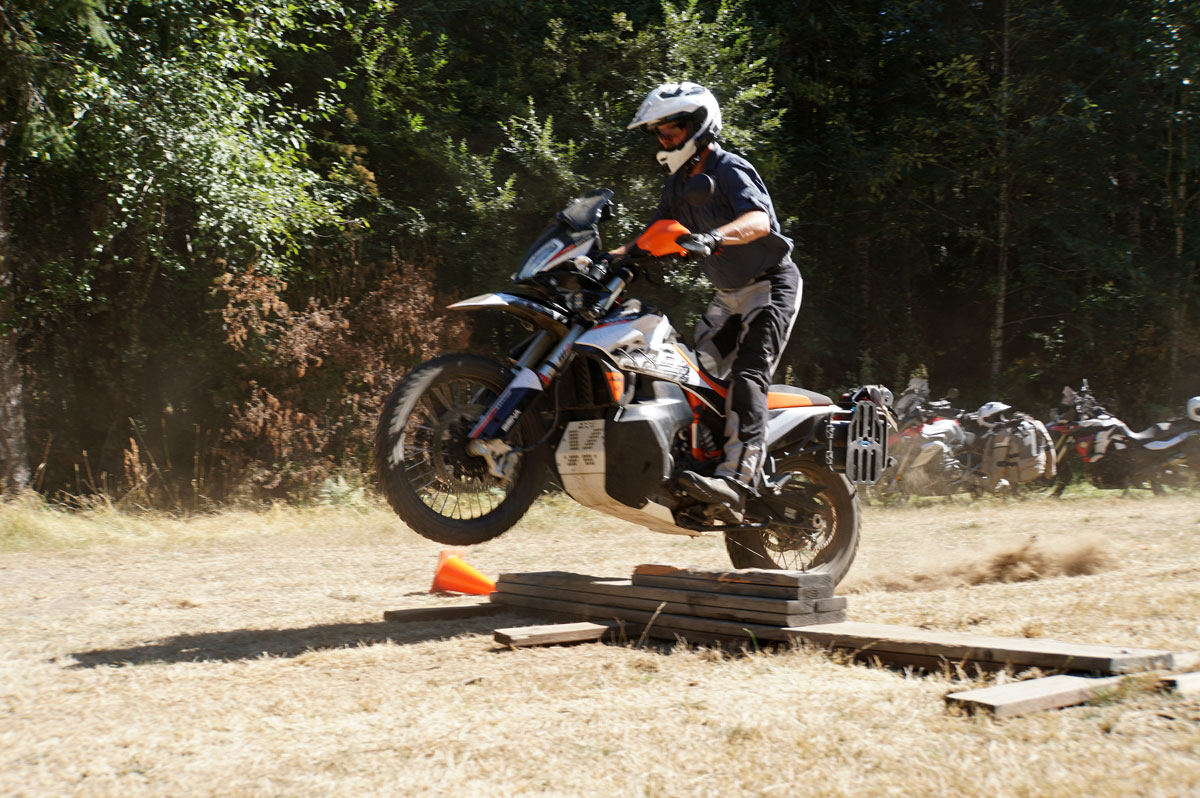 Training gives you the skills and understanding to make wise choices that ultimately reduce risk and make riding more fun.
• Do It Right
Knowledge is how you learn to make proper choices, curing dangerous ignorance and controlling the tragic results of overconfidence. But how can you get accurate, unbiased information from other knowledgeable people? The Internet is filled with both ignorant and intelligent riders sharing their thoughts. These days, anyone can become an ADV instructor. I have seen ex-racers offering ADV training, yet they have never travelled overland by motorcycle. Or maybe they’re riding highly modified ADV bikes, unlike the machines that the average rider is using, or they teach methods that are unrealistic and quite risky for most ADVers. Their skills are fun to watch, for sure, but careless training can end up in injury.
Every website looks similar—offering the secret of going over logs and riding like a pro. On top of that, you must sort through the pricing. Do you assume that premium schools like mine or BMW Motorrad’s official program will keep you safe? What about lower-cost programs like Bill Dragoo’s D.A.R.T. school or the MSF Adventure Training for half the price? Can you learn what you need to know there? (Note: I mention these schools specifically to highlight legitimate schools that will teach you proper technique and knowledge.)
I believe that even though “safety” is an unrealistic goal, it is true that reducing risk should always be a part of your mindset as a rider, whether you are an adrenaline junky with a high-risk tolerance or a more conservative rider with a lower risk threshold. If you are broken or dead, you don’t get to ride, so finding that delicate balance between thrill and injury is important, no matter your skill level.
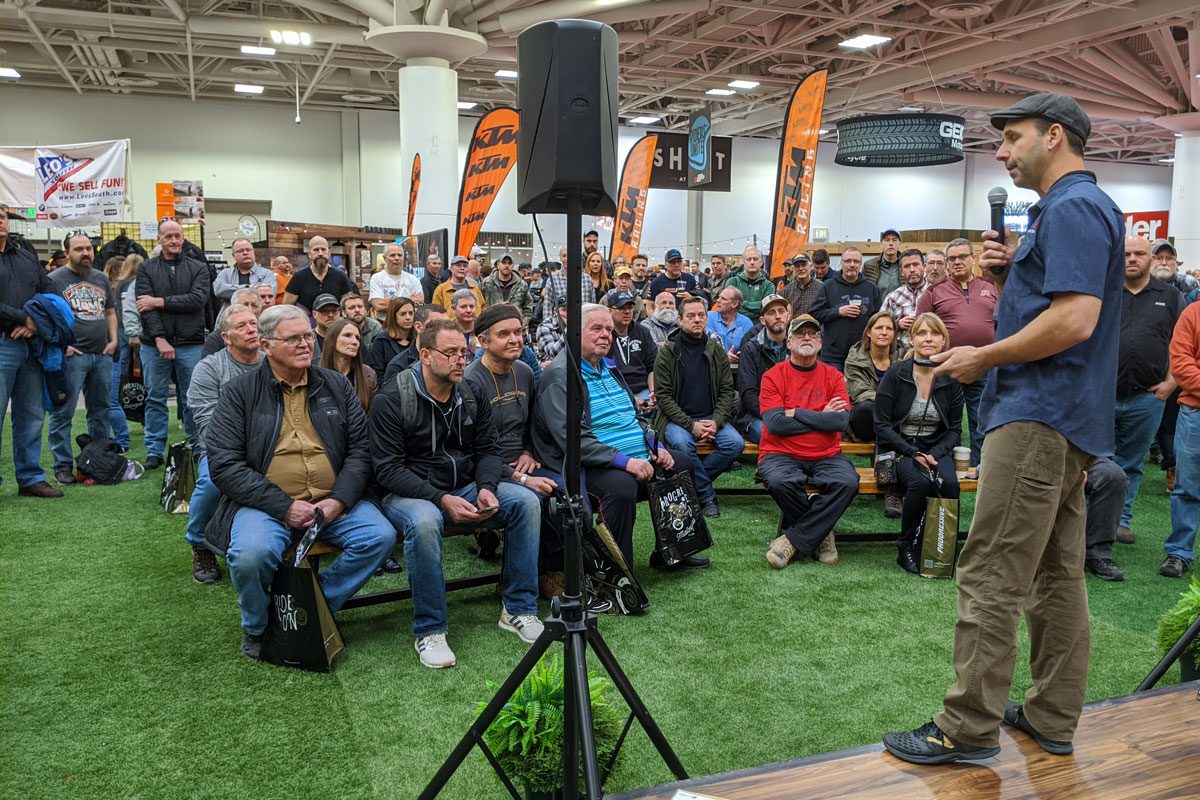 Bret Tkacs lecturing on tips for riding internationally at the International Motorcycle Show; Adventure Out stage in Clevland Ohio.Let’s look at some of the best methods to advance your skills as an adventure rider.
• Use Free Training
YouTube and written articles are the lowest-cost ways to learn how to ride your motorcycle off-road skilfully. The best approach is to look for channels with a common theme of education. Listen carefully to the instructor, the words he or she chooses, and the credentials of those presenting the information. Most importantly, look for instructors who can explain the why behind concepts and techniques.
But beware! Just because something is published on YouTube or written on a nice-looking website doesn’t make it true. If you can sort through the unfiltered content on the internet and extract the information you are ready for and that applies to your riding conditions, style, and application, you can learn a lot from the internet at no cost to you. Just be sure to carefully consider who’s doing the teaching.
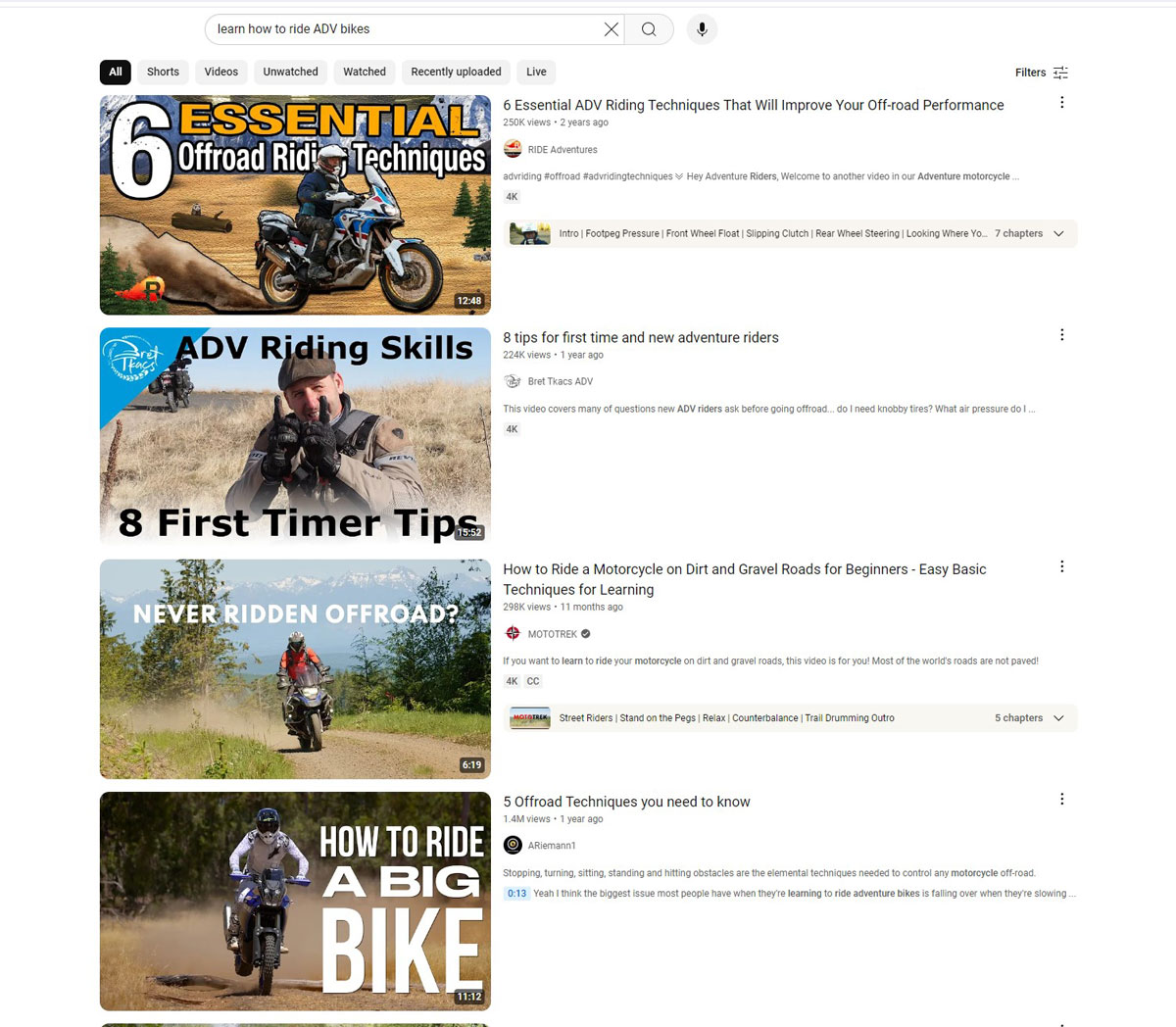 Bret Tkacs YouTube channel is one of the best free training resources.
• Low-Cost Training Can Work
Courses provided by organizations such as the Motorcycle Safety Foundation are quite affordable because the motorcycle industry primarily funds the program. Although these courses are very basic and only intended to get you started, they are an excellent way to get you on the bike and skip some of the expensive and painful bumps in learning. There is no direct relationship between what you learn and what you pay, so take it up a notch and register with a trusted school like D.A.R.T., and you will receive excellent training for only a little bit more money with instructors who are dedicated to riding bigger bikes. Make sure you do your homework first, though—don’t shell out your hard-earned money to an inexperienced fly-by-nighter.
• Money Well Spent
If you can afford it, getting premium training is the ultimate way to receive skill and knowledge, with add-ons to make the time more than just a school but an experience. More expensive schools often run on a property specifically built for instruction. BMW subsidizes its East Coast training facility to help with cost and offers a dedicated training location with a strict curriculum. My school (BretTkacs.com) follows the best weather around the country and brings upper-level training with a focus on understanding the dynamics, physics, and psychology of riding to give each person a deep understanding beyond just the basics, ensuring you can apply what you’ve learned into any riding environment you might encounter.
After training, let’s investigate some other costs to start your adventure motorcycle journey.
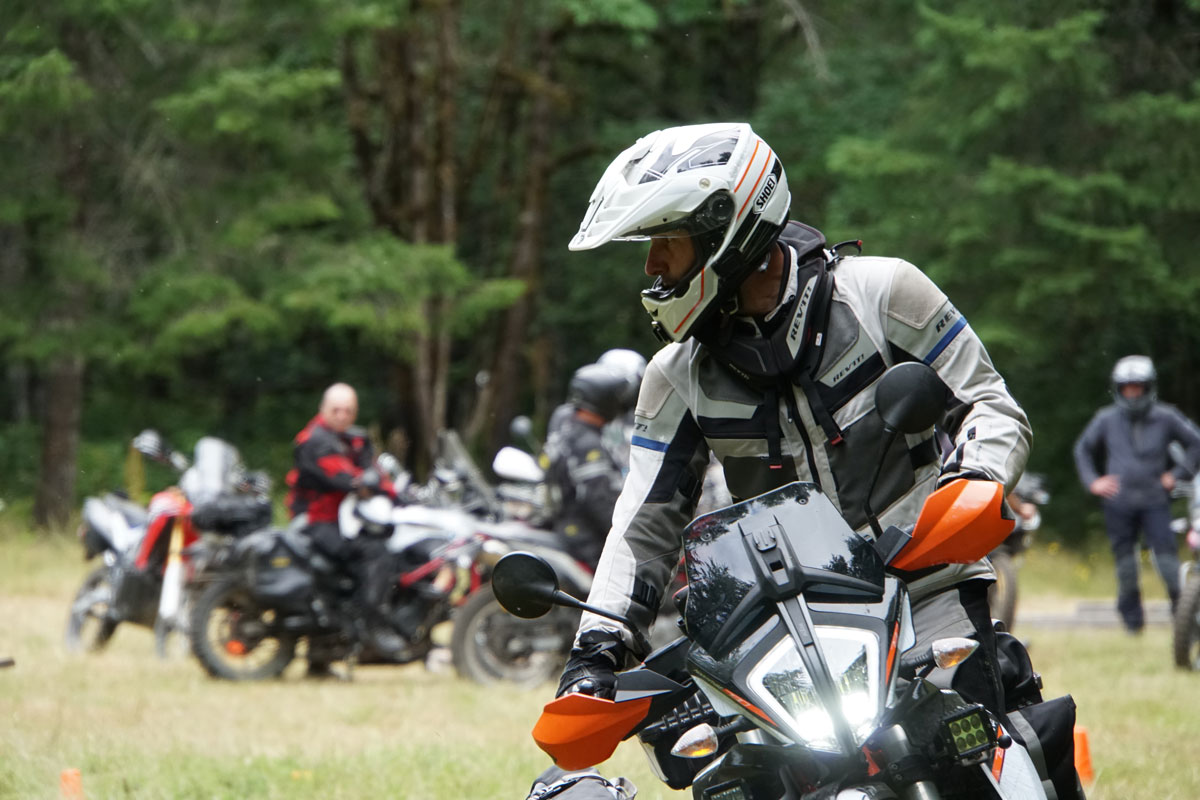 Bret Tkacs providing an expert demonstration during one of his ADV training camps.
• Riding Gear
In this situation, price, once again, doesn’t necessarily mean quality. You can find entry-level riding suits that are as functional as expensive high-end brands. As an example, the Tourmaster Trek gear is way less expensive than top-shelf suits from KLIM, Rev’It!, and Alpinestars, with nearly the same features and protection. If you are looking into details such as getting an AA- or AAA-rated suit, look specifically for Level 2 CE-rated armor, decent venting, and waterproofing, and you’ll easily find something that will fit within your budget. If you can afford it, then the more refined features and expensive materials on the premium brands are nice to have—but you don’t need to break the bank to be safe. The same is often true with on-bike gear, like luggage and other accessories.
• The Motorcycle
Just like gear, there are a wide range of costs associated with purchasing your ADV motorcycle. Certainly, parking a BMW R1300 GS in your garage shows that you’re willing to spend for the best. But the long-lasting Kawasaki KLR650, the MotoMorini X-Cape or smaller bikes like Royal Enfield’s Himalayan, KTM’s 390 Adventure and Yamaha’s TW200 can be excellent places to start. Be realistic about your needs, use, and budget, and the perfect bike is out there for you.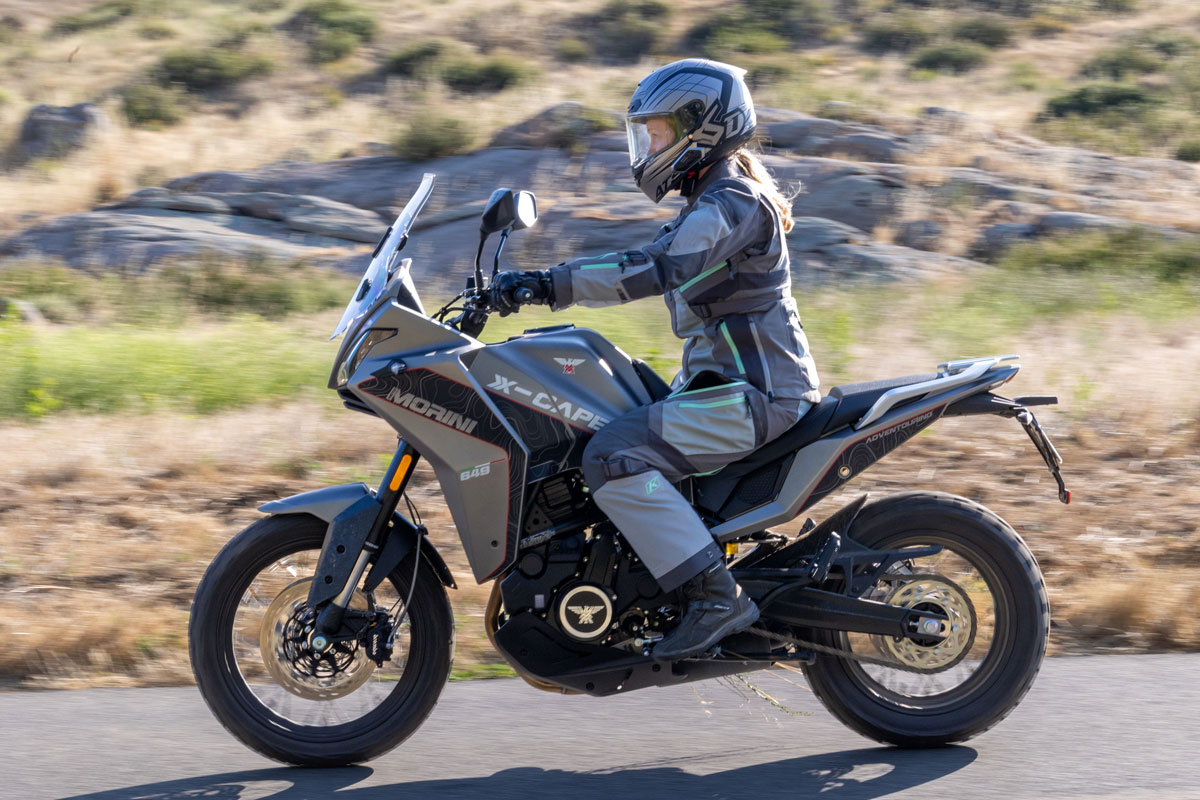 Jean Turner on the versatile and affordable Moto Morini X-CAPE 649/650. | Photo credit: Jean Turner
• It’s A Life-Changer
Jumping into ADV riding can generate a lot of anxiety and fear, especially as you’re looking at your first off-road descent from behind the handlebars. Just remember that fear is primarily created by two factors: A lack of understanding and a real or perceived lack of control. Fear can stem from stories you’ve heard from your friends, watching crazy videos on YouTube, or simply a lack of confidence in personal skills.
It’s also worth mentioning the ADV community is a great crowd of riders. Many have incredible amounts of knowledge and experience to share. With so many events popping up all around the world, find one and go meet some fellow riders.
Get educated, be realistic in your choices and adventure riding can change your view on life. If you’re lucky, it may lead you into adventures you never thought possible, like traveling forgotten roads to forgotten places. Or it may even lead you around the world. The limit is up to you.
 Bret Tkacs is an adventure motorcycle rider and educator who teaches classes, gives presentations, and leads tours nationally and internationally. He trains ADV riders in person (BretTkacs.com) and also through his highly successful YouTube channel (YouTube.com/brettkacs).