 Sticky logo
 Search


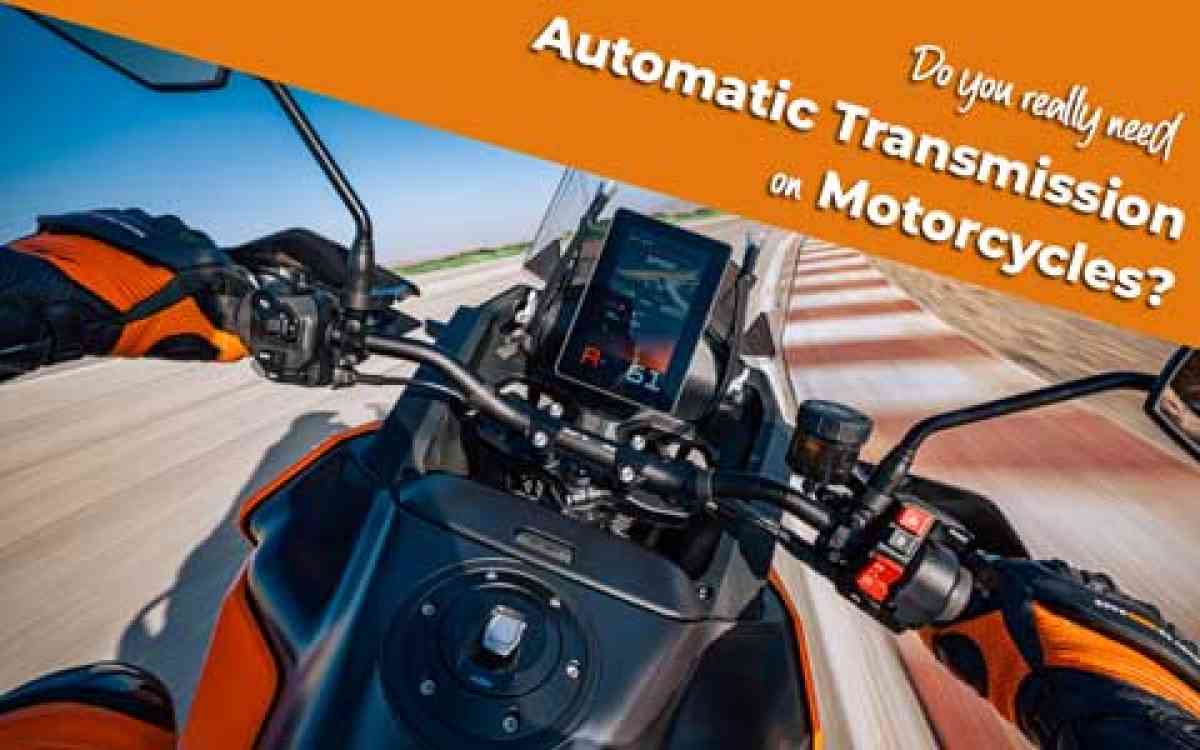
KTM is the latest entrant to the league of lazy shifters and introduced an automatic transmission system they call an “Automated Manual Transmission” or AMT. BMW, Honda, and Yamaha, all have their renditions of their own AMT systems, from the E-Clutch to the Y-AMT, and although they have different nomenclatures, they are more or less similar. KTM though likes to do things a little bit differently. So, they added a park gear to their AMT.
• How the AMT Works
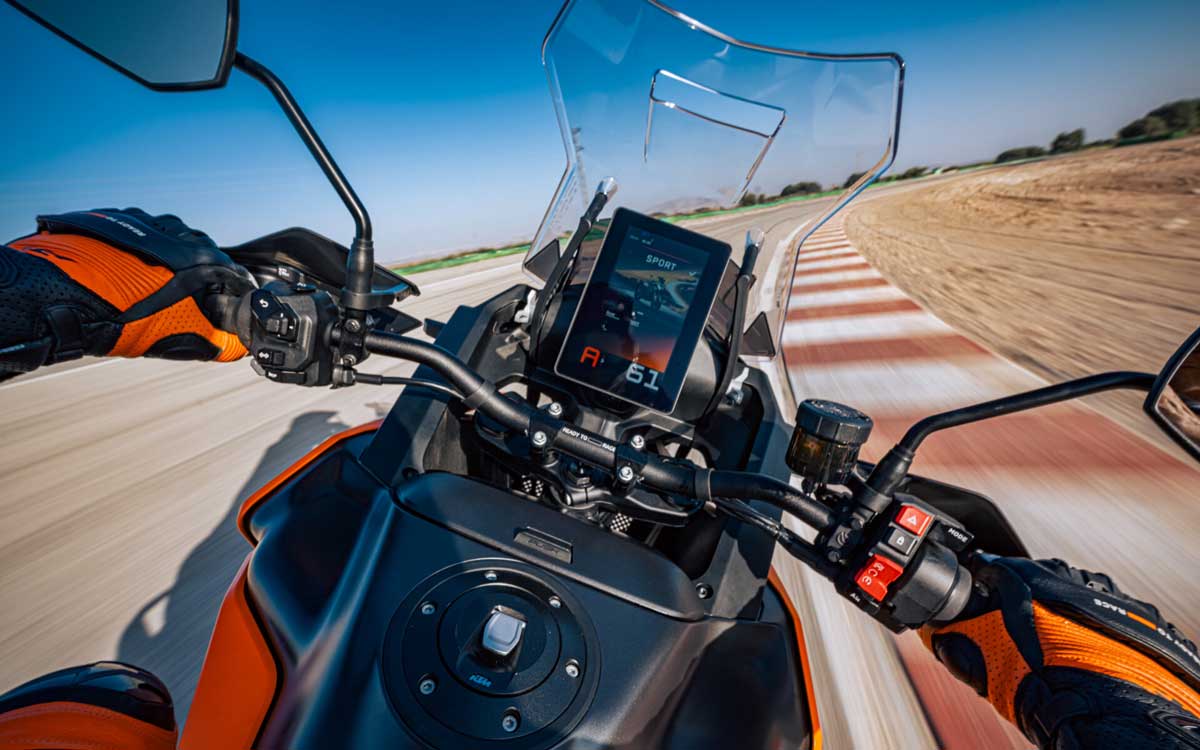
A park gear, you ask? The gear shifts on the AMT system are in the order: "P – N – 1 – 2 – 3 – 4 – 5 – 6." A locking pawl is inserted into the gearbox which makes it possible to stop the motorcycle from rolling away. It works on the same function as it does in cars. Sure, it adds an added sense of security when you’re walking away from your bike, but whatever happened to simply putting your bike in gear, throwing it on the side-stand and walking away?
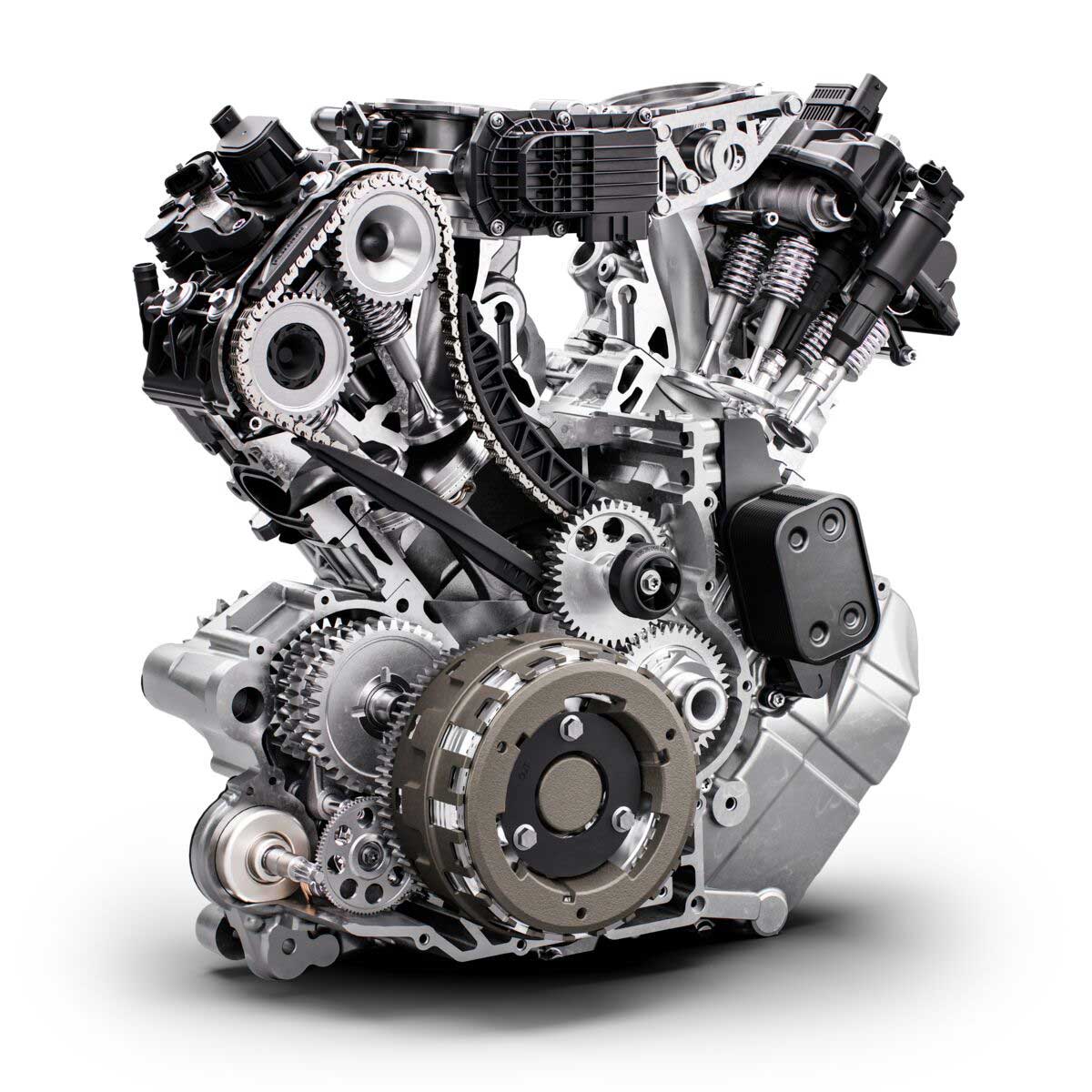
The park gear is not the only thing KTM added to their AMT. Their system employs a centrifugal clutch, whilst the likes of Yamaha and BMW use electromechanical actuators to regulate a traditional clutch. It's like a more technologically advanced version of the famed Rekluse.
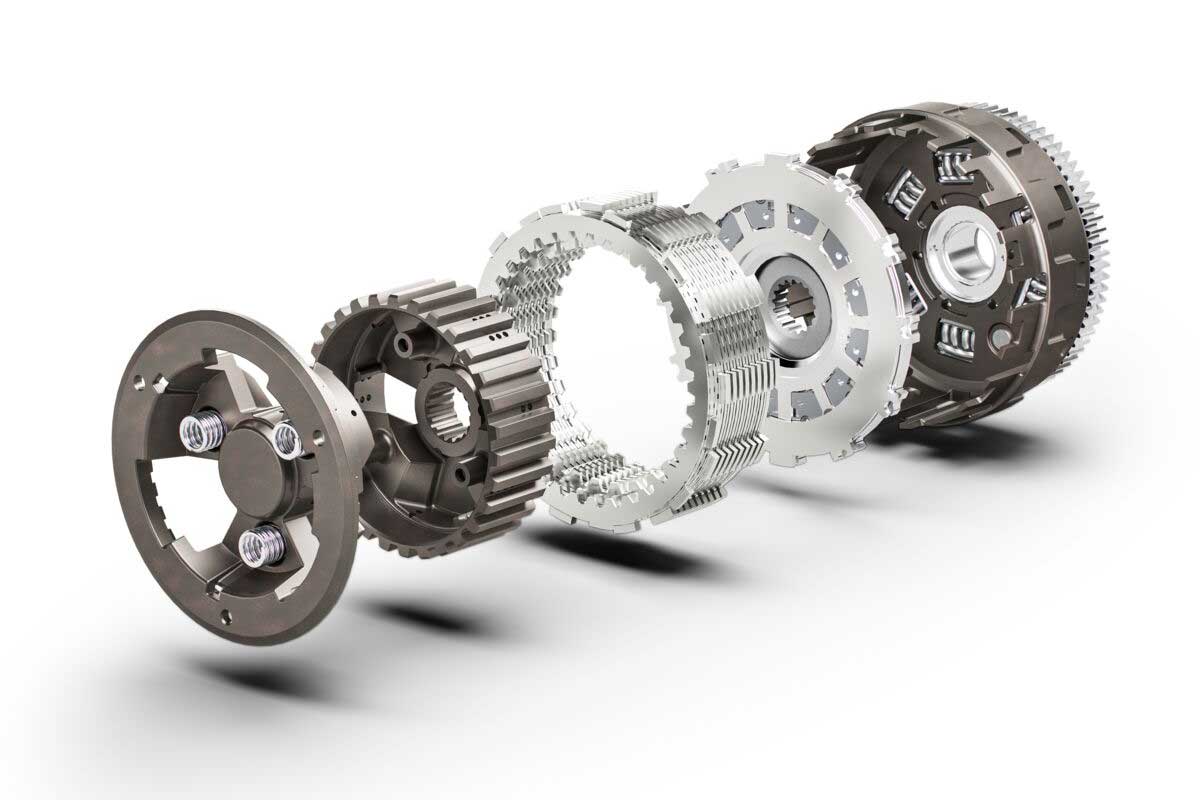
KTM has been working on this automatic manual transmission for a while now and when Bosch released a few images of the upcoming 1390 Super Adventure, supposedly the first KTM to get the Austrian firm’s new AMT, it became apparent: We are witnessing a collective shift towards self-shifting motorcycles.
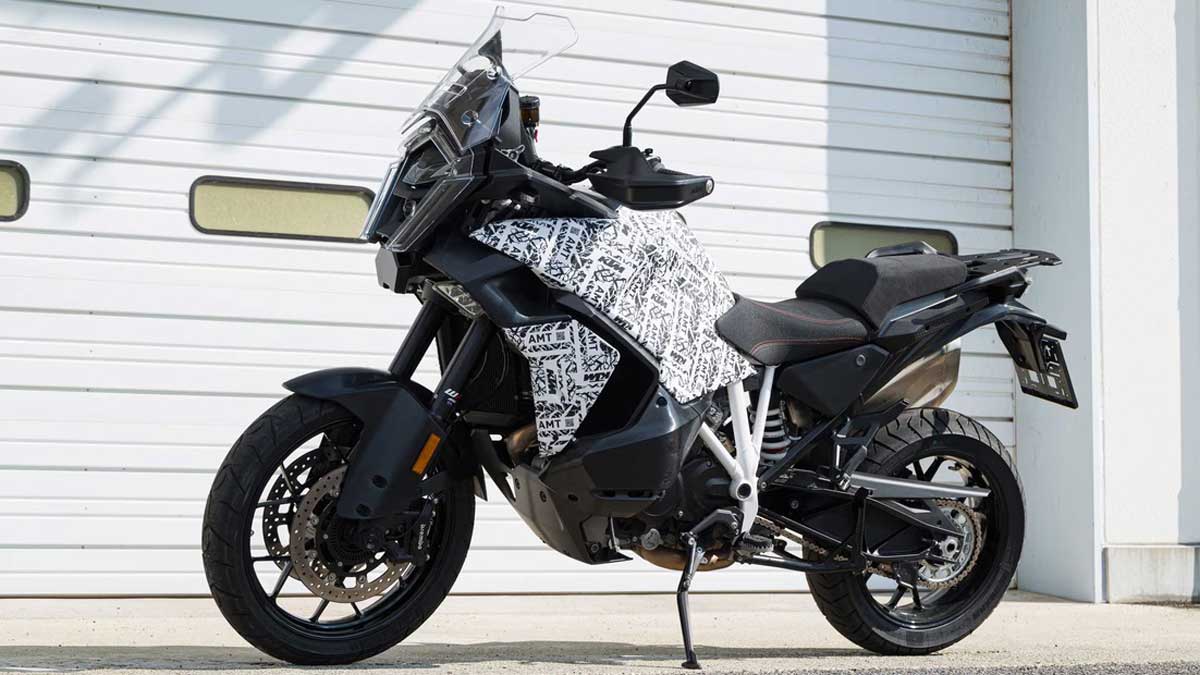
The Honda CB750A was the world’s first automatic bike, having released in 1976. But what followed next was 30 years of automatic nonexistence in the motorcycle market. A few tried including the likes of Aprilia with its 850GT but it went down the drain far quicker than the Honda.
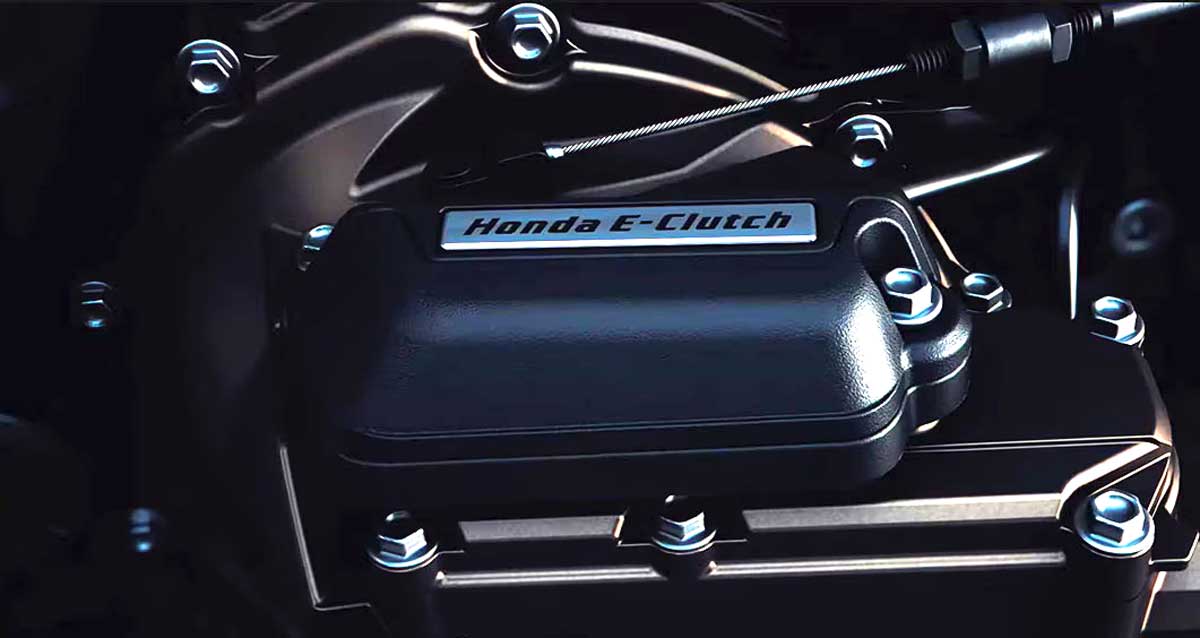
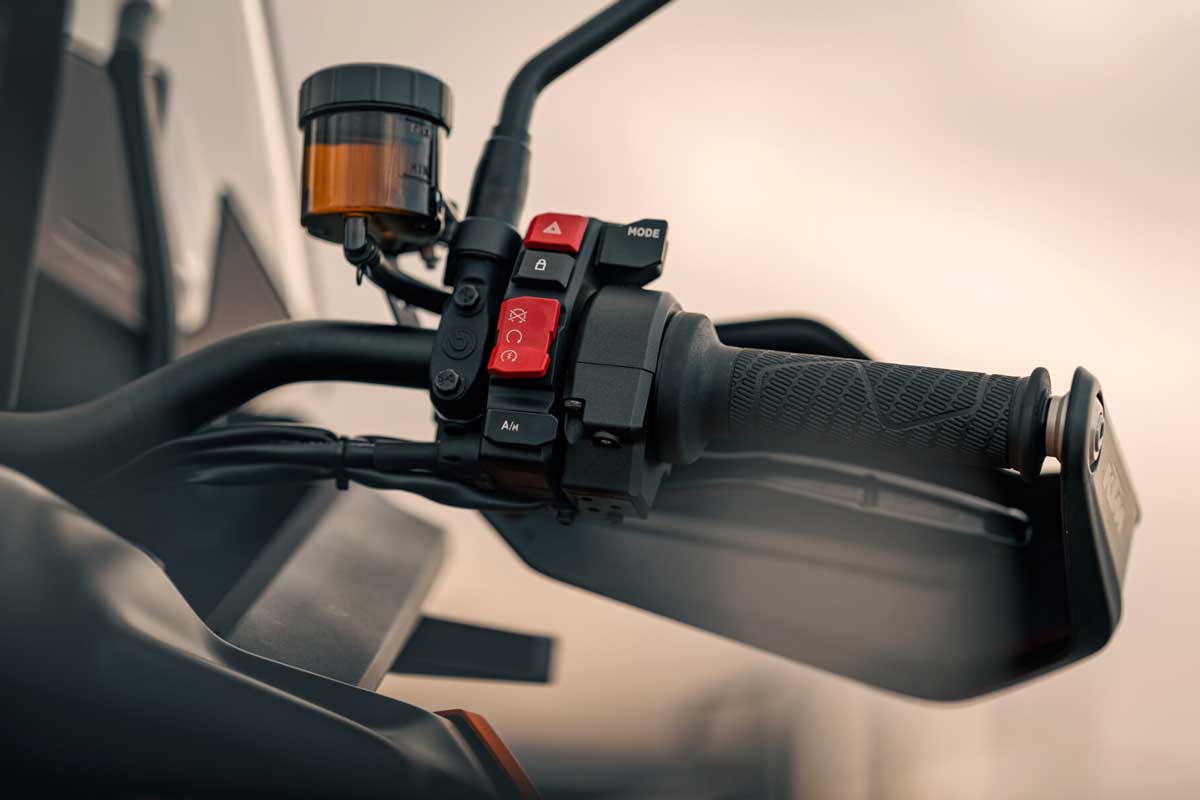
Well, decades later, it’s safe to say that automatic transmissions have returned in motorcycles, and it seems like manufacturers are pretty serious about them. On the KTM AMT, you'd have the option of using the fully automatic transmission in A Mode or a manual shifting option in M Mode, which does not require a clutch by the way.
It works by engaging the first gear, which sets the bike in forward drive. This is when the centrifugal clutch engages and puts the motorcycle in motion. KTM claims the AMT facilitates slow-speed maneuvering, starting on a slope, drawing away, and stopping, especially on a bigger, heavier motorcycle.
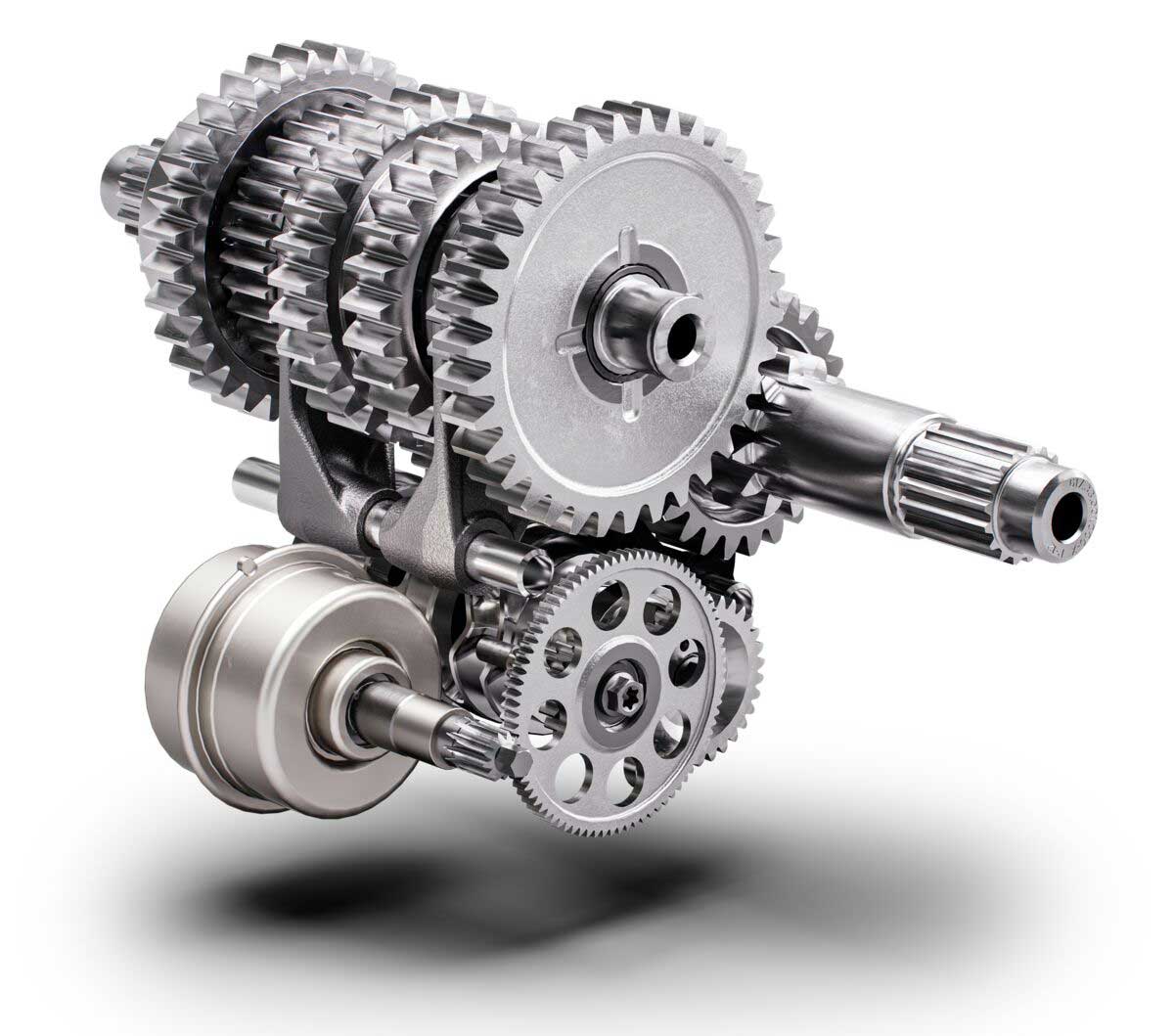
The ECU and a separate Transmission Control Unit are used to operate the gearbox electronically. In case you were wondering, the shifts would be identical to that of KTM's conventional Quickshifter+, taking 50 milliseconds. An "electromechanical shift actuator" that pivots the shift drum is responsible for all the shifting in this system.
The shifting paddle on the handlebar switch cube is the only way to toggle between the Park and Neutral positions, regardless of whether the engine is operating or not. Per KTM, the AMT gearbox keeps the weight within the same range and preserves the classic gearbox proportions. So, there’s not much of a trade-off for a more ‘assisted’ motorcycle experience.
For more detailed discussion of KTM’s AMT and how it works, check out:
{youtube}avkal9LyxmE{/youtube}
• Choosing The Manual Mode
In case you'd want to take the control in your hands, you could choose to intentionally change gears via the M shift mode by utilizing either the paddle shift on the handlebars or the conventional gear lever on your foot. But be mindful that there is no neutral between first and second. Just in case you forget. Thankfully, manual shifting override is possible when in automatic where the fully automated mode is turned off for four seconds before returning to active automatic mode.
When in automatic, KTM gives you the option to switch between three shift modes: Comfort, Street, And Sport. These shift modes work in tandem with the bike's specific Ride Modes to make sure that the most ideal automated transmission settings are employed at all times.
• Do Motorcycles Really Need Automatic Transmissions?
KTM says that its AMT “blurs the line between sport and comfort, taking all the benefits of an automated transmission, and adding the exhilaration and control of a traditional manual.” It all sounds plush and convenient, but it begs for the question to be asked: Do you really need automatic transmission on motorcycles?
The answer to this question hinges on a few factors. Starting with convenience; it is by far the most compelling argument for automatic transmissions on motorcycles. For urban commutes, without the hassle of constant gear changes, riders will be able to concentrate more on negotiating traffic, particularly in stop-and-go scenarios rather than changing gears. Especially for older riders, it can help mitigate tiredness during lengthy rides.
Automatic transmissions can be equally advantageous for off-road riding. Instead of juggling clutch and gear changes, you would be able to concentrate more on negotiating challenging terrain.
Rider experience is another major factor in this argument. An automated transmission simplifies the learning curve for newer riders by eliminating the need to manually shift gears or engage a clutch. This would mean that a greater number of people, even those who would be put off by the complexity of manual gearboxes, may find motorcycling more approachable as a result.
However, purists in the adventure motorcycle community tend to prefer the manual setup for one sole reason: manual transmissions provide precise control in difficult situations when sudden torque adjustments may be required. It is no secret that motorcycle riders value the involvement and engagement that comes with this degree of control, which is a defining feature of the riding experience.
Automatic transmissions of the past have constantly been under fire for being less responsive and offering less control over power. But thanks to technological developments, this difference is closing. Transmission like KTM’s AMT promises to offer the best of both worlds, allowing for manual control when preferred while also providing the ease of automatic shifting.
With the introduction of increasingly sophisticated automatic transmissions for motorcycles, these innovations point to a future where automatic transmissions will no longer be viewed as inferior in terms of performance. This has already happened in cars, are we there yet for motorcycles? Only time will tell. Till then, I’ll happily hop on my standard manual transmission bike, grip some clutch and bang through some gears, until I reach my destination.
 Having over 15 years of experience traveling and documenting his adventures, Utkarsh Sood lives and breathes all things motorcycle. His quest to travel, write, and create films pushed him to quit his fancy advertising job to live life on his own terms. Or so he thinks. When he is not writing about bikes, he's busy riding his trusted Royal Enfield Himalayan and creating content for his project 'Silence & Stories'.