 Sticky logo
 Search


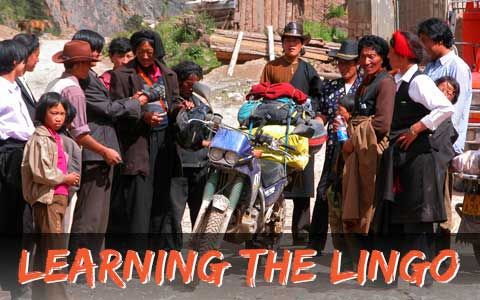
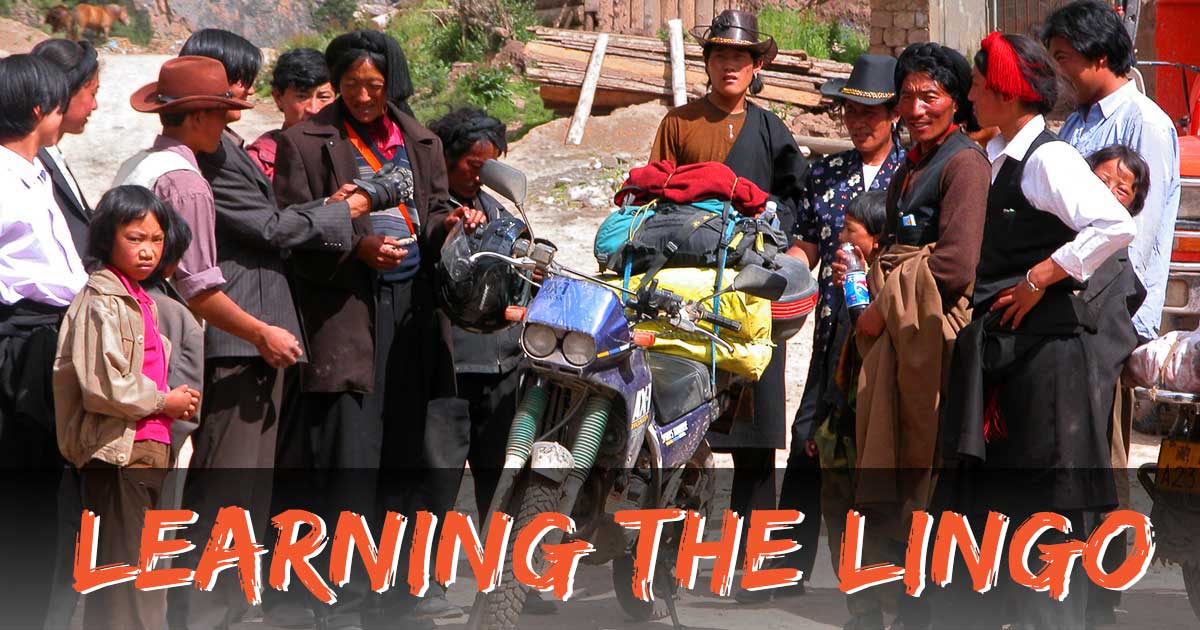
Communicating when you don’t speak the local language can be daunting at first. But after a little practice you’ll find it can be some of the most fun you have on a trip. It’s surprising just how easy it is to get things across with hand signals, a few words and a big smile. You’ll find yourself becoming more resourceful, confident, patient, a better communicator and, perhaps as important, will impress your friends and family with a newfound mastery of charades when you return home.
Read on for our five top tips to prepare for communicating with minimal language skills while adventure motorcycling.
What to Do
1. Learn the basics
You must have heard this a million times, but learning “hello,” “yes,” “no,” “please” and “thank you” do make a huge difference. It shows you’ve taken time to learn a couple of words and will be appreciated. It doesn’t matter if you mispronounce, in fact it’s often a good thing. A little mispronunciation is often funny; they’ll laugh with you, help you to say it correctly and subconsciously bond.
Top tip: If someone tries to speak a little English back to you, be sure to appreciate it with a big thumbs up. Learning a foreign language in far flung lands can be difficult and people often feel embarrassed trying it out. It’s good to boost their confidence, as they’ll be more likely to try it on the next foreigner to come along.
2. Smile and wave
Smiling is the golden rule. When trying to communicate with someone in a foreign language, go in with a big smile. It naturally lightens the mood, makes the other person feel more at ease and immediately shows your friendly intention. Use your hands, and your whole body if necessary, to help get your point across.
Top tip: Even if the going gets tough, and you really can’t convey what you want to say, keep that smile until the helmet’s on. Don’t forget, it’s not their fault you don’t speak the language.

3. Pen and paper
It’s always handy having a little notebook and a pencil in your jacket pocket to help illustrate explanations or requests. Most of the time it’s pretty fun too, as the more remote you go, the more likely the person you’re communicating with will be itching for their turn to draw something in reply. You can always use a stick in the sand too. Don’t stress if you’re no motorcycling Picasso, the high-tech section is coming up.
Top tip: Don’t stress on the details, it’s just a little fun. Use this one only with adults though; give the pen and paper to kids and you may get it back 20 minutes later with every page filled in with pictures of dogs, cats, footballs and probably a crude caricature of yourself.
4. Photographs
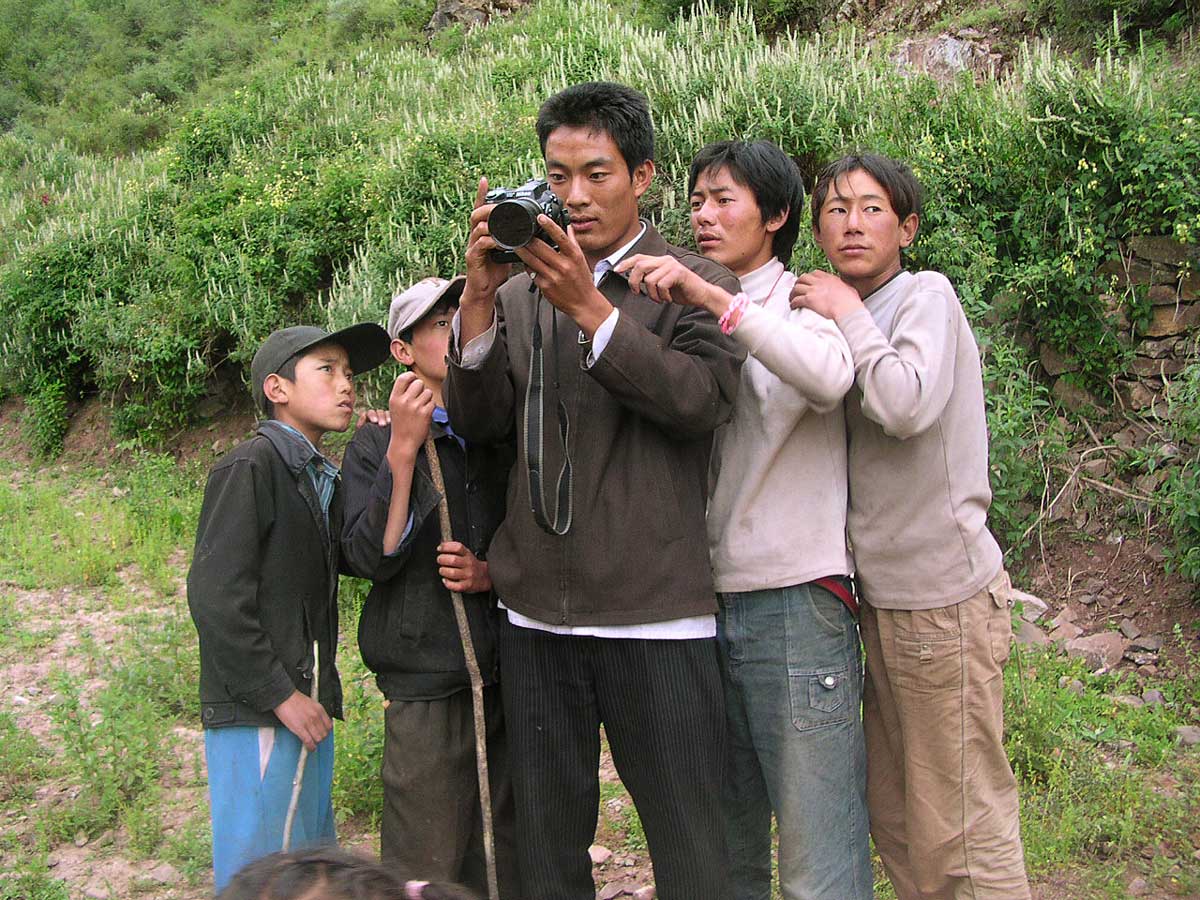
This is a little gem. Take photographs on your phone of all the little things you might need to communicate about and just show them if you get stuck. For example, food you like, a picture of a (clean) toilet, a hotel room, campsite, mechanic, water, petrol station… whatever you think you might need. Easy!
Top tip: Make sure when scrolling through your phone’s picture library you don’t accidentally scroll past anything you don’t want them to see… it can be awkward. Ahem.
5. Google Translate
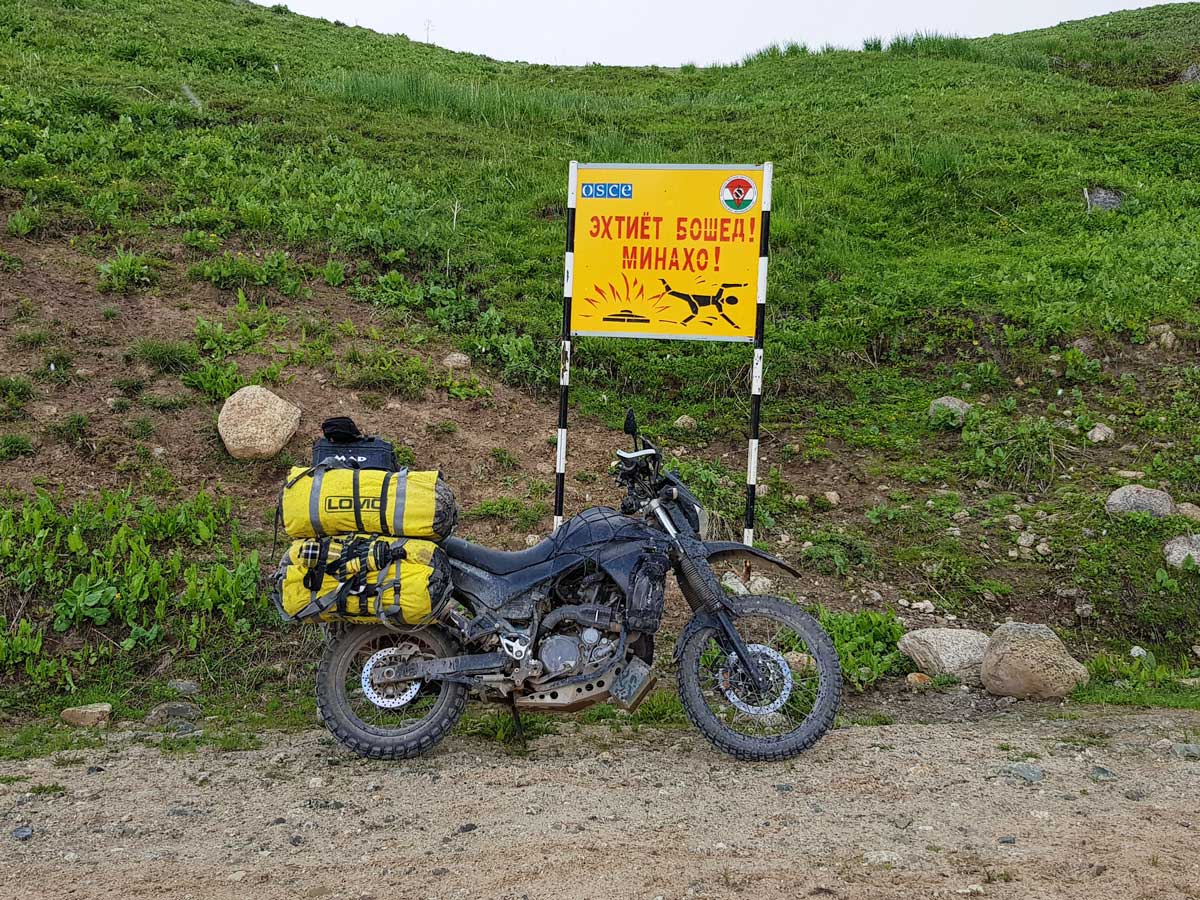
The Google Translate app is now popular the world over. Download the free app, then download the specific country language you need and use it offline. It’ll even allow you to hover your phone’s camera over a foreign language and translate the text while offline. You can speak into it in English and it will repeat it in the local language. Then the person you’re communicating with can reciprocate with the app translating their answer to English. You’ll be surprised how widespread this app is, we’ve even met old ladies in Tajikistan’s mountains using this.
Top tip: Remember not to lead with tech-based points 4 and 5. Communicating verbally and with hand signals is fun, increasing your communication skills and confidence.
What Not to Do
1. Don’t get annoyed
If we’re in their country and haven’t taken the time to learn their language, we can’t expect them to know ours. We’ve seen plenty of travelers lose their cool when they can’t convey a food order. It’s so unnecessary, and not cool.
2. No baby talk
Seriously, we’ve actually watched people just talk more slowly when someone doesn’t speak English. “Dooo youuu knowww wheeerre….” Saying words slowly doesn’t mean the person you’re speaking to will just somehow suddenly understand English.
3. Say it again
For some reason, some people believe repeating a sentence eight times will make someone who doesn’t speak English automatically fluent. Surely if you say it nine times they’ll understand what you mean!
Your Turn
Learning how to converse with people who don’t speak the same language is fun, and you’ll be surprised how good you get after a little practice. Keep going with it, don’t be shy, learn the basics, keep expanding your vocab and you’ll be a motorcycling polyglot in no time.
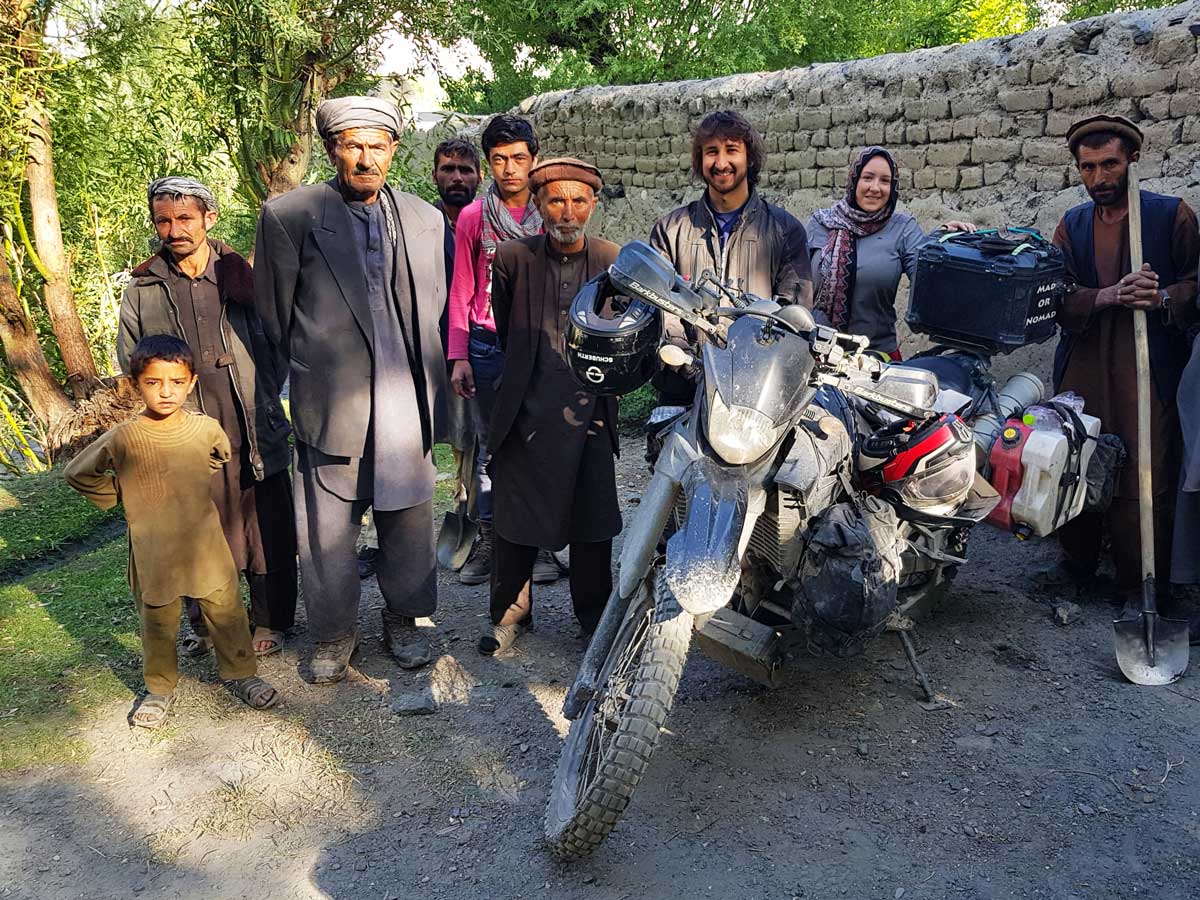
 Andy Davidson and Alissa Potter gave up their lives in the U.K. to travel around the world indefinitely. After two years and 30,000 miles on the road, they’re now somewhere in southeast Asia and heading for the U.S. MadOrNomad.com or on social media as “Mad or Nomad.”