 Sticky logo
 Search


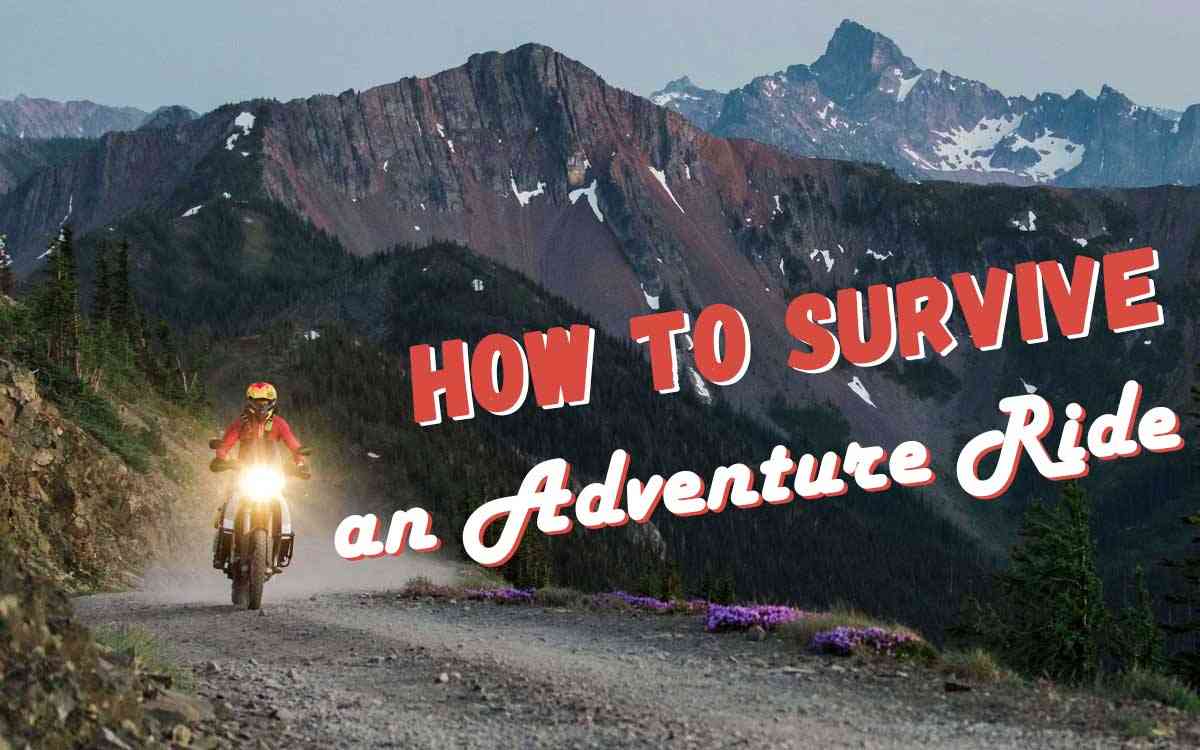
I’m no expert endurance rider or a professional fitness instructor, but what I can do is ride my motorcycle continuously for five long days and feel physically content at the end of the trip. Okay, maybe after the celebratory beers, I might not feel as good on the morning of the sixth day, but at least my muscles will be relaxed. So, what can you do to prepare for an upcoming off-road adventure to stay strong, enjoy the ride and be able to dismount at the end of the day without calling friends over to pry you off your bike? Here are a few tips from personal experiences that will help you succeed.
1. Don’t Compare Yourself to Others
When preparing for an adventure ride, one thing to avoid is comparing yourself to others. Everyone is a different age, with new and old injuries, different daily routines, body shapes, metabolisms, and health histories.
2. Choose Your Partners Wisely
To enjoy a trip without getting in over (or under) your head, choose partners you know you can hang with. The opposite might be someone who’s training for the Dakar or on the other extreme, a first-timer. Solid partners are those you can trust and have confidence in their skills, knowledge, and riding experience. They’ll also have your back if a situation arises. They know how to have a good time and not be overly serious, they’ll share the laughs, and can push hard, yet pull back to take in the scenery, too.
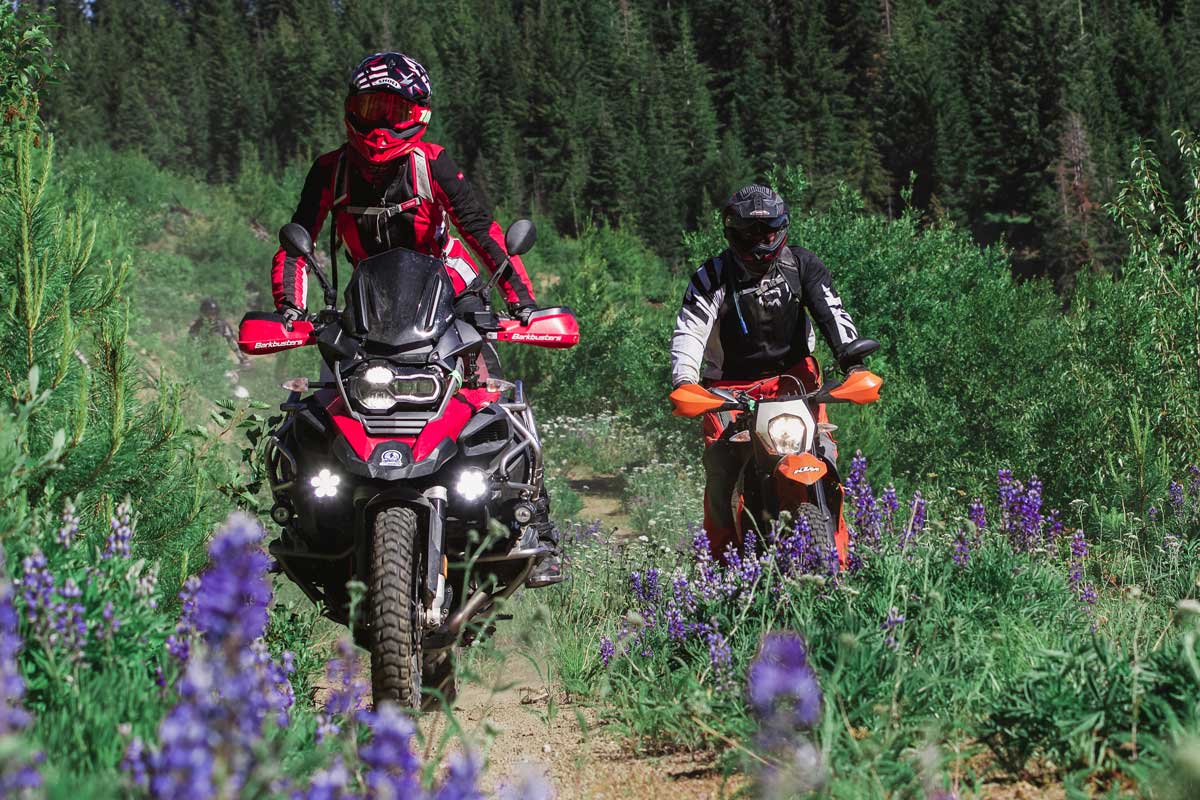 Good partners know how to have a good time and not be overly serious, they’ll share the laughs, and can push hard, yet pull back to take in the scenery, too.
3. Pre-Planning Workout Routine
Forming and maintaining a simple workout routine months or even weeks before a ride can help significantly. It’s easy to fall onto the sofa after a long day, crack a beer, and surf the web, so it may take a little effort to force yourself into dedicating even 20 minutes a day to building strength and stamina. Now is the time to beat that slacker off your shoulder; choose a rewarding pre-trip workout routine that’ll help make your ride a success. To get started, choose a time of the day when you have the most energy, protect that time, and commit. There are plenty of resources online for functional workouts to do at home with minimal or no equipment. Google “Tabata training workouts,” they’re perfect for those who have difficulty trying to fit in their workouts. Tabata is training at a high-intensity level for a short period. Don’t worry about going to the gym; you can do this in your living room.
Download any Tabata app to your smartphone. It’ll be your new workout partner. Every exercise in a Tabata workout lasts four minutes and is broken down into 20-second intervals at high intensity, followed by a ten-second rest, for eight rounds in four minutes. I recommend 20-minute sessions. But if this is new to you, don’t expect to master it immediately. The key is to keep good form. Slow down if you have to, but keep pushing yourself.
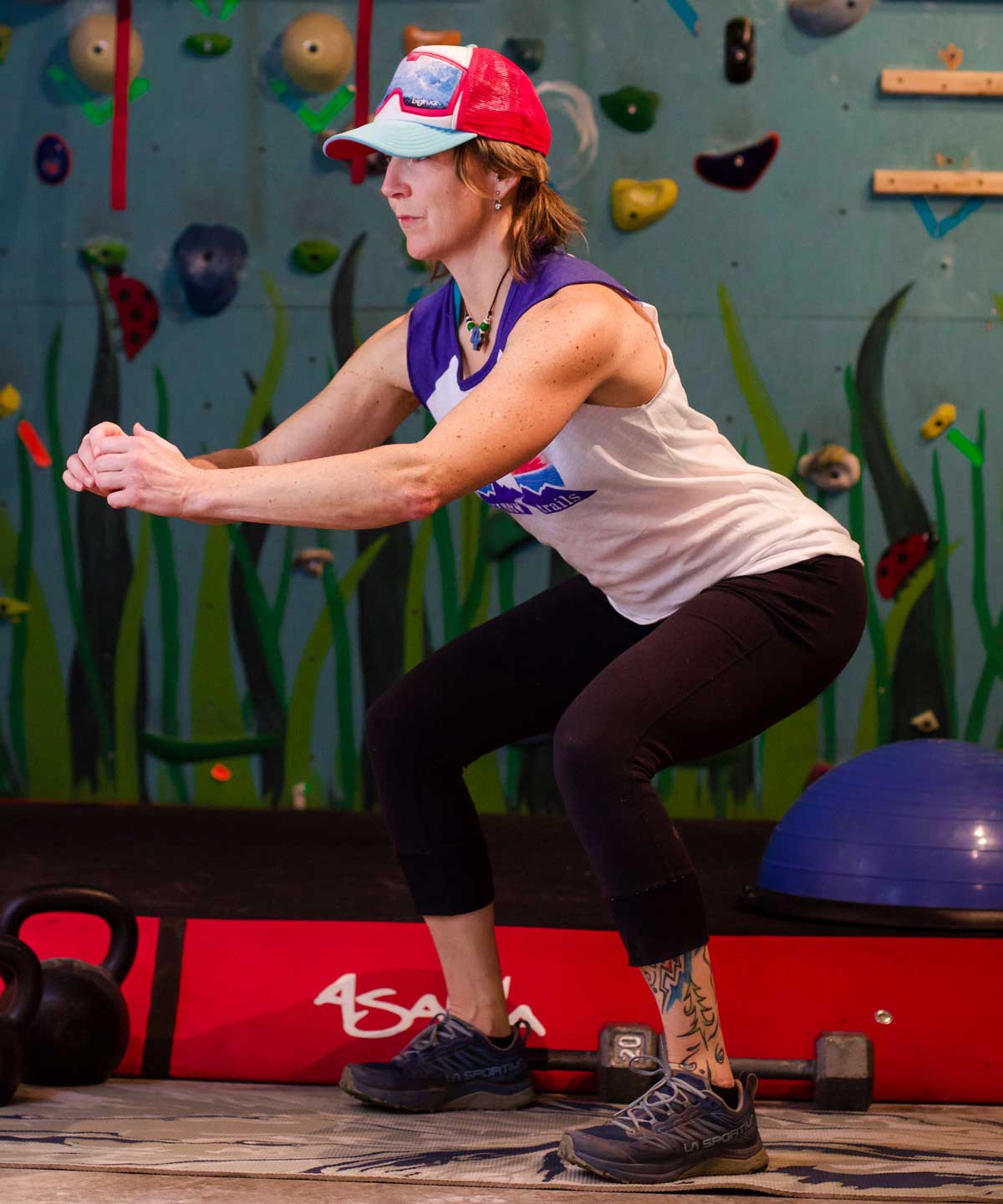 Forming and maintaining a simple workout routine months or even weeks before a ride can help significantly.
4. The Ride: Fuel
Now that you’ve been doing 20-minute workouts at least five times a week for three months, chosen the right partners, and are stoked to be making a trip, you’re ready to hit the dirt. Exercise will help get you through, but there are a few other tips to keep you from cramping or bonking during your ride.
It’s vital to maintain proper hydration and nutrition. Try adding electrolytes to your water to help sustain your energy level and prevent cramps. There are many brands to choose from; try a few to see what suits your taste, and what your body responds to best. As for food, it’s essential to eat small portions every few hours on strenuous long rides. This allows you to get off your bike for short stints, stretch the muscles, give the body a rest, and refuel.
Avoid heavy, rich foods or anything that may cause indigestion. And too many power bars can be challenging to choke down, not to mention leaving you constipated. Prepare a fresh sandwich with lots of veggies, cheese, and some kind of protein. Then nibble on it all day without downing it all at once. Your body will digest smaller amounts more efficiently than large ones that can cause bloating, cramping, and nausea when you hit rough terrain. Choose wisely what goes in your gut every two hours.
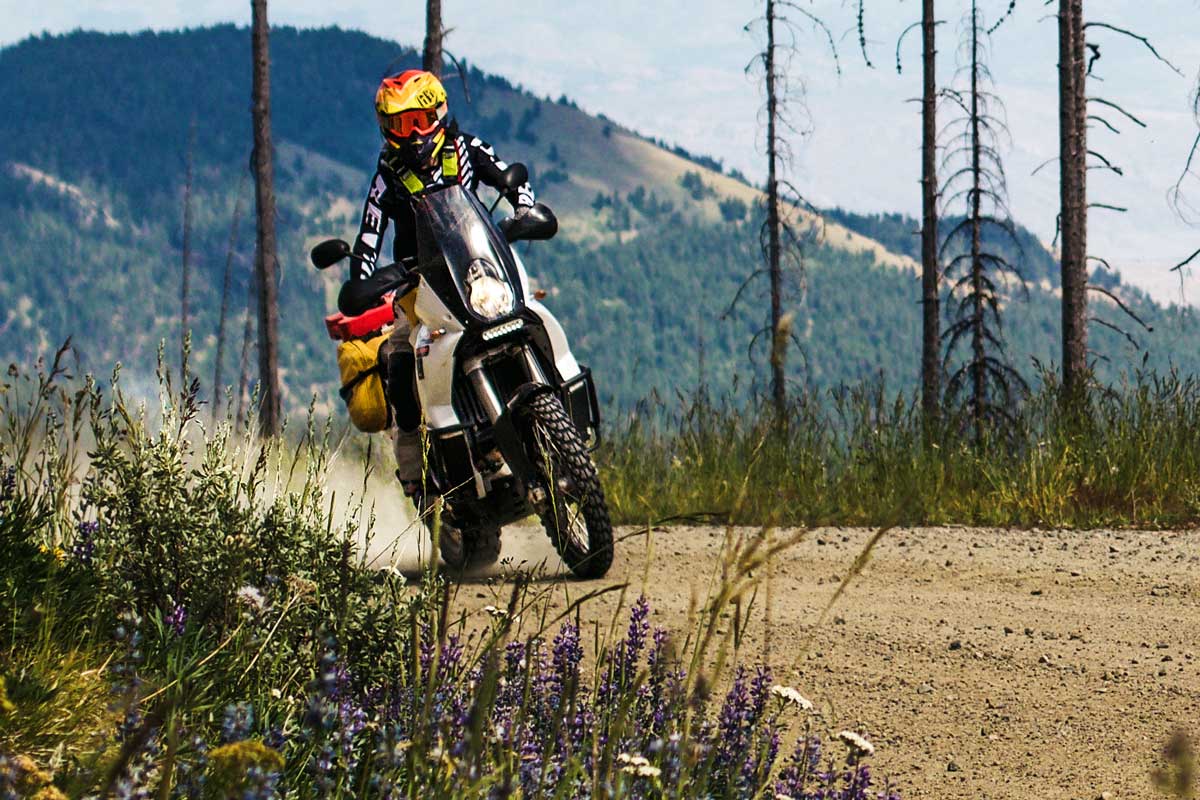 Don’t skimp on fuel. That means both you and your bike. This will keep you going all day long without bonking.
5. Rest Stops
When you stop for any reason, STRETCH! Walk around, bend over, touch your toes—whatever you do, don’t just stand there, keep moving. Your body will thank you when you get back on the bike. Remember, motion is the lotion. You need to keep those synovial fluids moving and lubricating your joints.
6. On Your Bike
Some may not think about this, but it’s just as important to move on as off your bike. Try different stretching techniques while riding. Stand up, bring one leg behind you and rest it on the seat; when seated, reach your left arm back and rest on the seat behind you; do neck stretches; lift your feet off the pegs and roll your ankles—just don’t take your eyes off the road. Always ride relaxed; if you’re tense on the bike, you’ll be tense off it, and your muscles will not have any rest time.
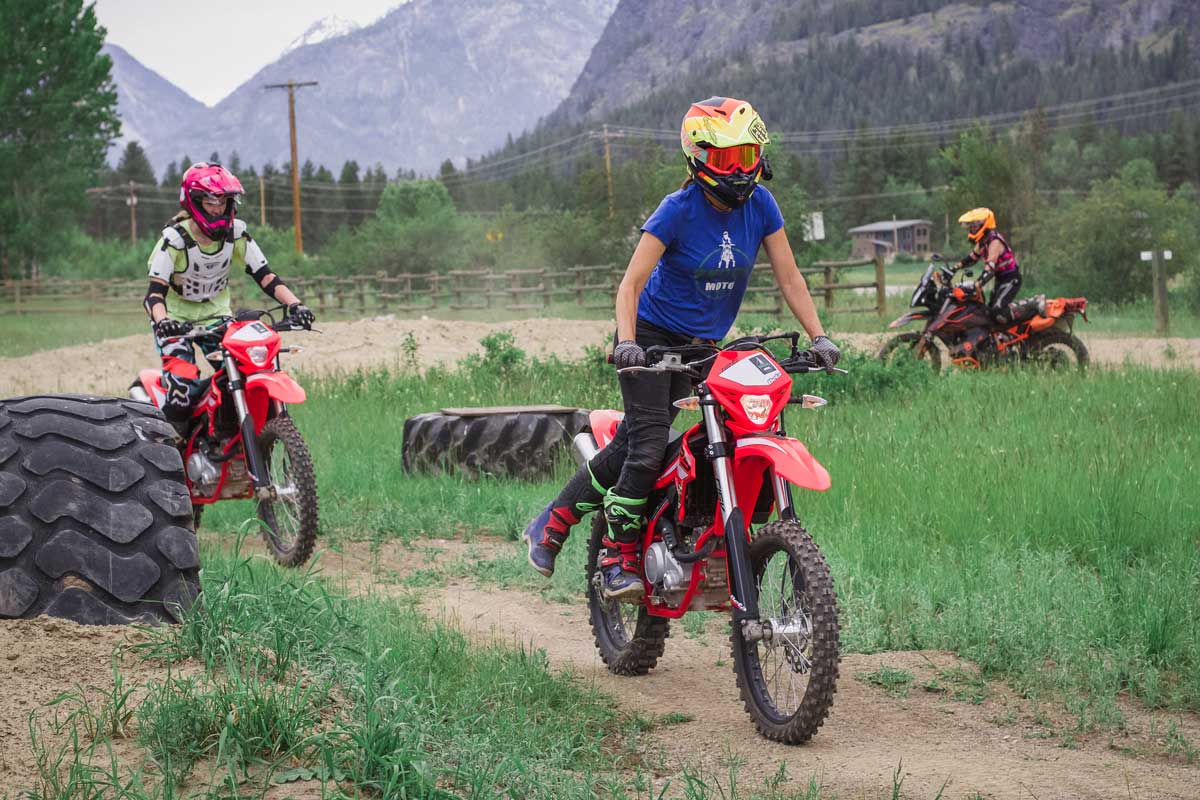 Stand up, sit down, stretch out, basically just move on your bike to prevent overgripping and help decrease muscle tension.
7. Sleep
Many need at least seven hours of sleep to feel well rested; some need more, others less. On adventure rides, there’s a good probability that your sleep schedule will be interrupted. This depends on where you are staying, the mattress (or lack thereof), the climate and elevation, whether anyone snores or talks in their sleep, etc. Changes to normal sleep patterns can throw one off. Do your best to make comfy nests, pack a small personal pillow if necessary, bring earplugs, and don’t drink or eat right before sleeping.
8. Post Ride
Now that your adventure ride is over and you’re planning the next one, take notes. Write down the things that worked well and those that didn’t. Then, on your next trip, apply those things that were successful. There’s always room for improvement.
I enjoy sharing tips that have helped me on adventure rides and hope they will help with yours. Keep the stoke high and commit to your 20-minute workouts daily. If you do, you’ll be ahead of your game for the next big ride and may be able to push yourself longer and farther. Happy planning and happy riding!
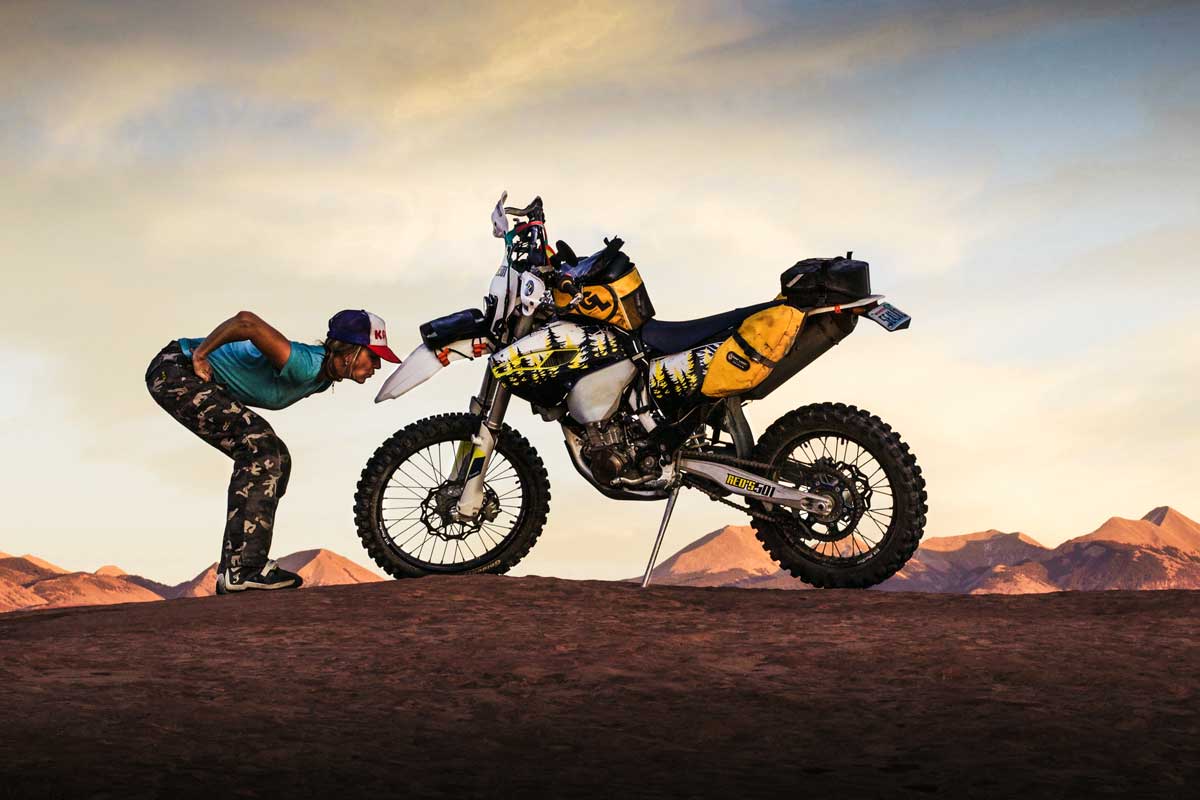 Don’t forget to thank your bike. Kiss it, love it and maintain it!
 Influenced by her uncle, Donni Reddington began riding when she was eight. Since then, she’s owned road bikes, dual-sports, and now, mostly dirt bikes—hosting a fleet of Betas for the Skool of Moto (www.SkoolOfMoto.com), a riding academy she opened after semi-retiring as a recovery room nurse in Wenatchee, WA. Long before reaching her 40s, Donni practiced yoga, Tabata and other activities to keep herself strong, pliable and healthy, both on and off her motorbikes. If she’s not riding, exercising or educating, she’s rock climbing, mountain biking, skiing or photographing the world around her.