 Sticky logo
 Search


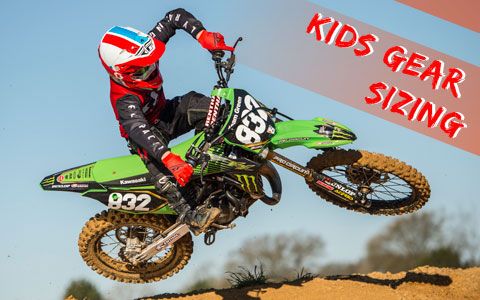
Have you shopped for riding gear and been confused by sizing? Shopping for the kids can be even less fun. Let’s take a look at some common themes in kids’ off-road gear that’ll give you a better shot at finding the right size the first time.
As with adult riding gear, the best way to verify sizing is a trip to a local brick and mortar store and try things on. Why there are no real standards is anyone’s guess. Ill-fitting items will neither be as comfortable nor protect as properly fitted ones. Unfortunately, stores may not stock the brands or sizes you’re looking for and online may be the only route.
Most adult equipment will follow one of three main sizing schemes: International (S/M/L/XL), American Numeric, or European Numeric. However, things get a little more complicated when looking at kids’ sizes. I’ve found two general categories of sizes smaller than adults, youth and something smaller (pee-wee, kids, junior, etc.). From there, it’s up to the companies to choose how the sizes are labeled and how those labels apply to real world fitment.

The best chance at nailing the fitment on the first try is to start with good measurements; grab a soft tape measure and take the following measurements to cover just about any piece of gear you may need. I’d suggest repeating each measurement a couple times and base your sizing on the largest measurement.
- Head—this is necessary for helmets, the tape measure should wrap around the head at the widest point, right above the eyebrows and ears.
- Chest—run the tape horizontally under the armpits and at the widest part of the chest with arms down and relaxed
- Arm—hold one end of the tape at the shoulder where the upper arm (humerus) meets and down to the outer wrist bone.
- Waist—Measure the natural waistline with the tape horizontal across the belly button.
- Hip—the widest part of the hips below the waist, again keeping the tape horizontal all the way around.
- Thigh—wrap the tape around the thigh, just below the crotch.
- Inseam—have your kid stand with their back against a wall and measure from their crotch to the inside ankle bone.
- Height—take this one while they’re still against the wall, measure from the top of the head to the floor. I’ve found it’s easiest to just mark the wall with a pencil held level from the top of my son’s head and measure from the floor to the mark.
- Hand—gloves tend to have the most variance in size chart measurements, so you’ll need a few hand measurements to make sure you’ve got what you need. Also, measure both hands and use the larger of the two.
- Circumference—measure all the way around the hand.
- Width—this is across the palm at the widest point, usually just below the knuckles.
- Length—from the bottom of the hand where it meets the wrist to the top of the middle finger.
- Foot—this is probably the easiest, it’s their shoe size; if you don’t know it already, snag one of their shoes you know fit and check the label.
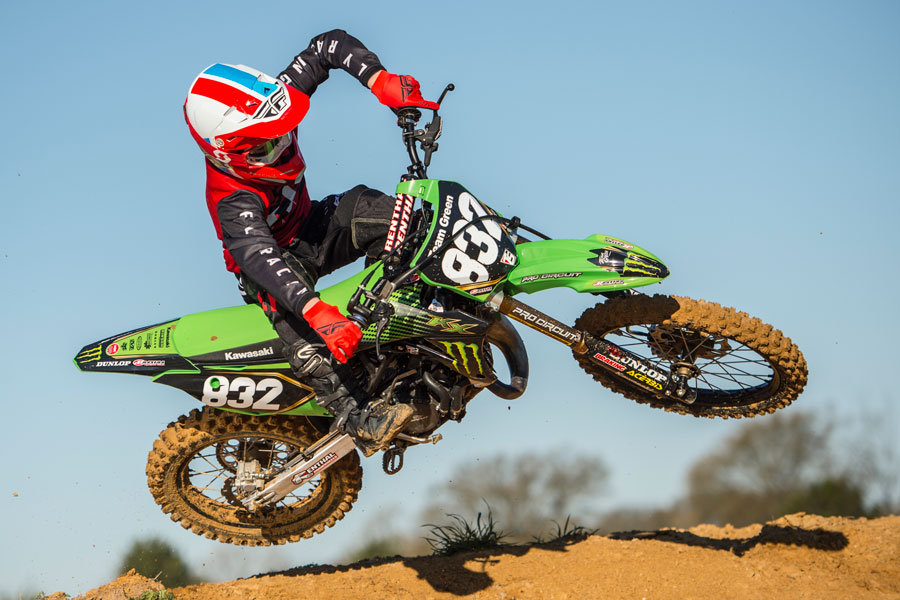 Sizing rules are up in the air, but good measurements help stick the landing.
Now you’ve got the measurements, head to your favorite online retailer and start looking. Most retailers will have a size chart or guide with their listings, if there isn’t one or the measurements don’t seem right, head on to the manufacturer’s website. Sometimes it takes some clicking to find it, but every company I’ve researched has size charts available. Most size charts are pretty easy to figure out. If the size chart is metric and you measured in freedom units, just use Google to convert. However, some of the sizes won’t actually be things you’ve measured; sometimes they’re age (because, you know, all eight-year olds are the same size) or one size fits all (it doesn’t). Take a look at the listing title for one-size equipment as well; youth items will be larger than pee wee, mini, or kids’ items.
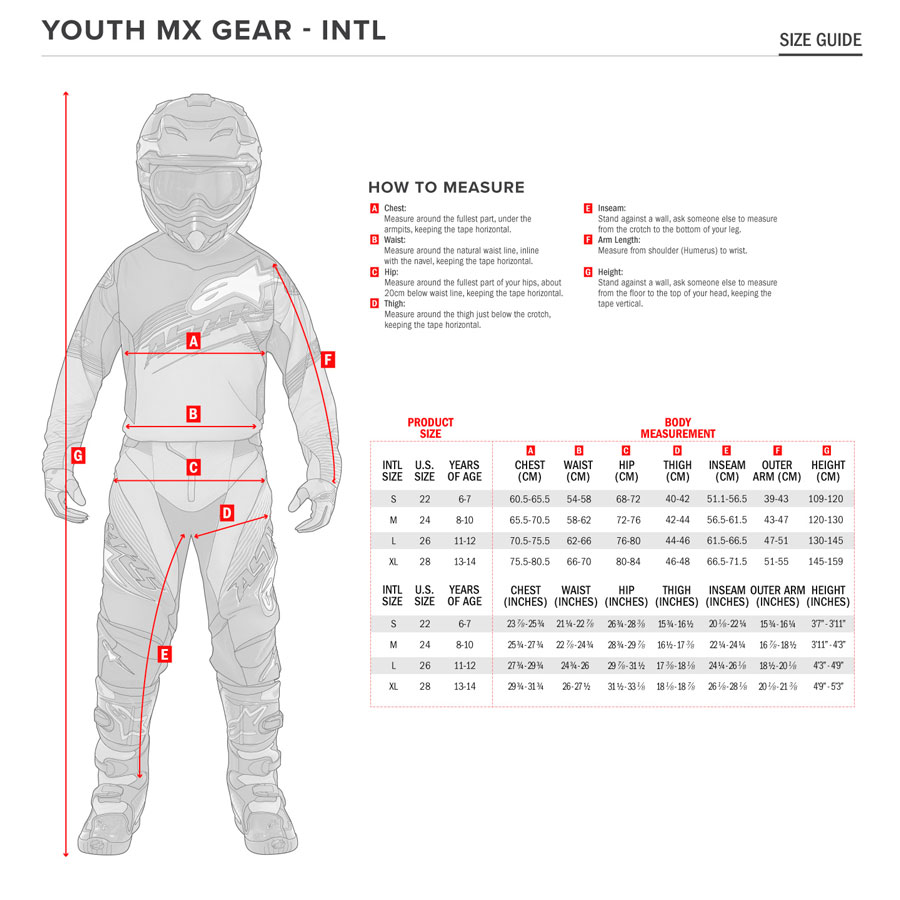 Source: Alpinestars
Before you order, check the return policy to ensure you can return unneeded items. If you decide the best route is to order a couple sizes or brands of similar items and make a choice after trying them on, you may be in luck; many online retailers are competitive with their shipping and return policies. After all, just like with adult gear, one company’s definition of a large may be smaller than another’s. Hopefully from here you’ll have a bit more info to get your child on a bike, comfortable and well protected for many years of riding ahead.