 Sticky logo
 Search


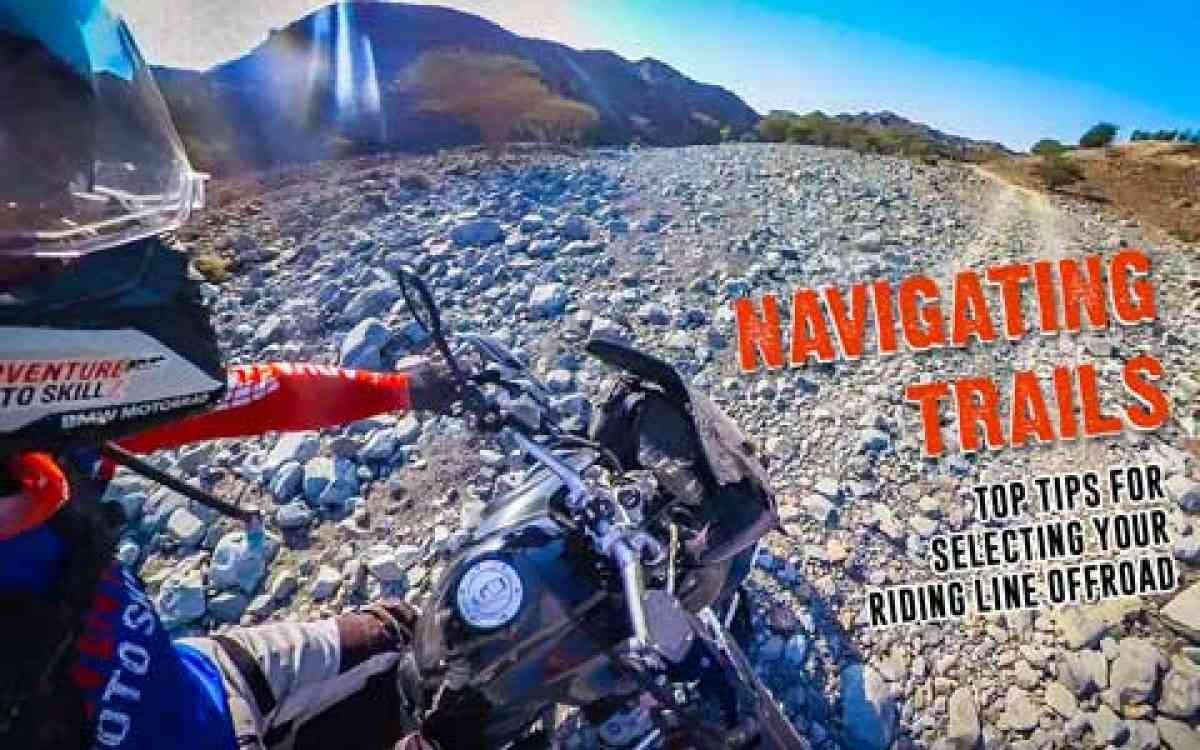
Think of line selection like a game of chess—each move sets up the next, and you’ve got to be thinking several steps ahead for success. The best line is the one that offers the highest amount of traction to keep moving you forward. This is known as “momentum control.”
• Understanding Line Selection Basics
Picking the ideal path isn’t just about avoiding hazards, it’s also spotting those stretches where you can safely push the pace and head for the next spot with high traction. Keeping up a steady pace on the trail means you’ve got to keep a sharp eye out and consistently nail those fundamental riding positions. Hone the skills mentioned here, and you’ll hit those sweet spots that allow your bike to maintain momentum almost effortlessly.
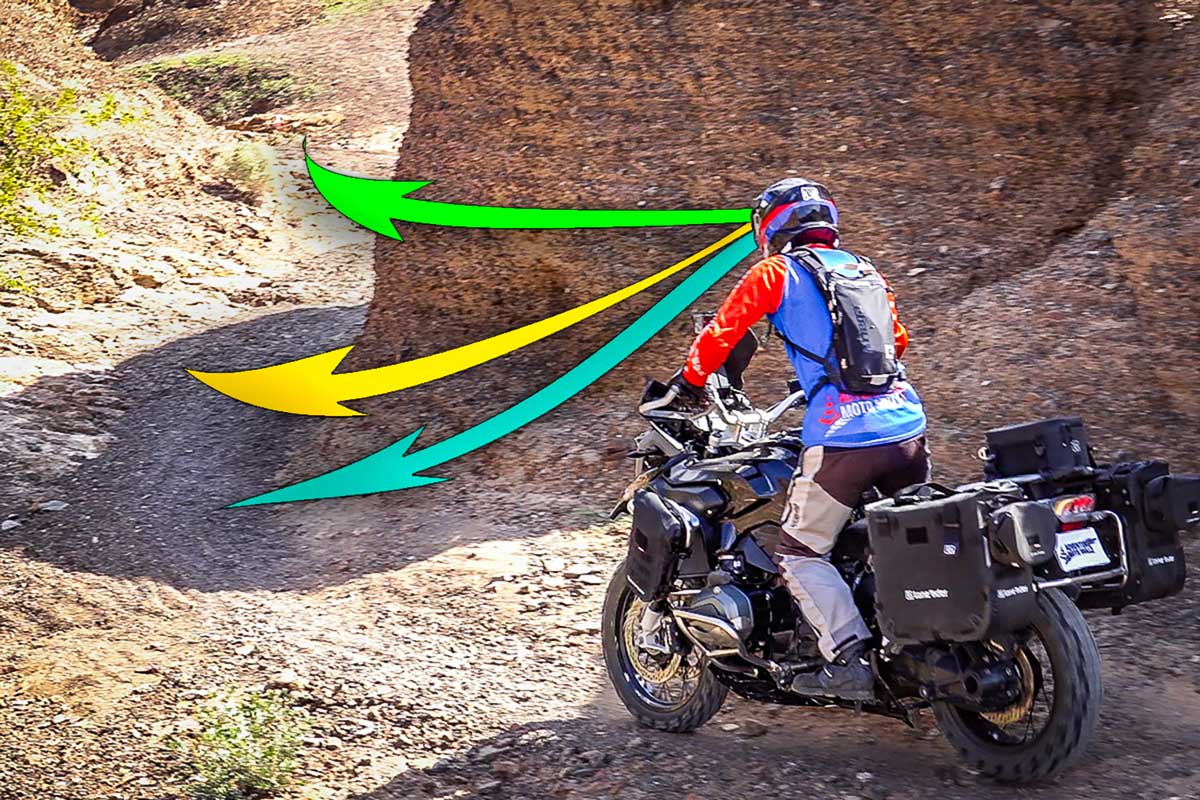 Vary your focal point to see both near and far.
• Different Terrain Calls for Different Line Strategies
In loose gravel, you might aim for tracks left by others—their compacted path often offers superior traction compared to venturing into untouched areas. Conversely, in mud or sand it’s often best to avoid established tracks as they tend to be deeper and more challenging. Opting to carve out a new line—being careful not to widen the existing trail unnecessarily—may save you from becoming stuck in ruts made by those before you.
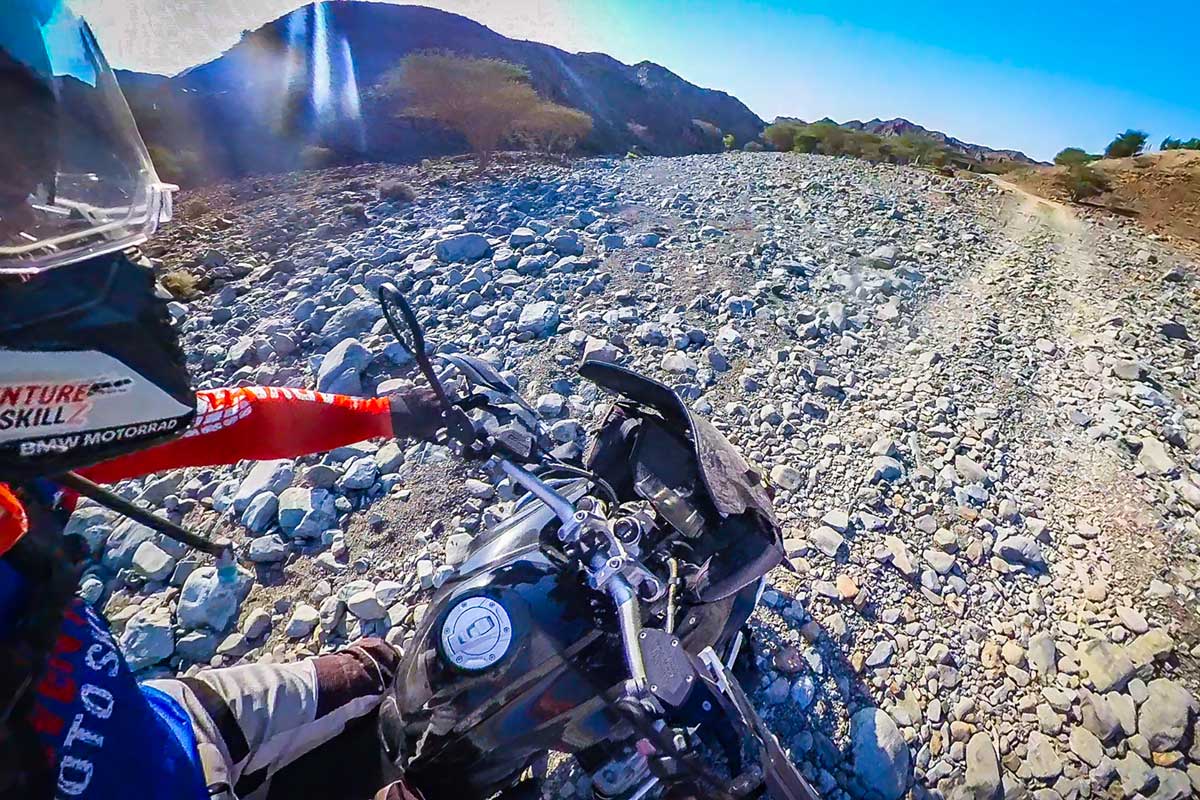 Sometimes the best path is the worn path….
Making smart choices about which paths to take requires strategic thinking and on-the-fly decision-making. Your experience becomes invaluable here as it allows you to select between different types of terrain. With practice, you can identify areas that offer better grip or conceal potential dangers beneath their surfaces, which may not be obvious to an untrained observer. The ever-changing nature of off-road environments means one moment you might be smoothly sailing over firm soil only to grapple with treacherous mud shortly thereafter. Each unique terrain type demands a tailored approach when selecting your line, ensuring no two rides are exactly alike.
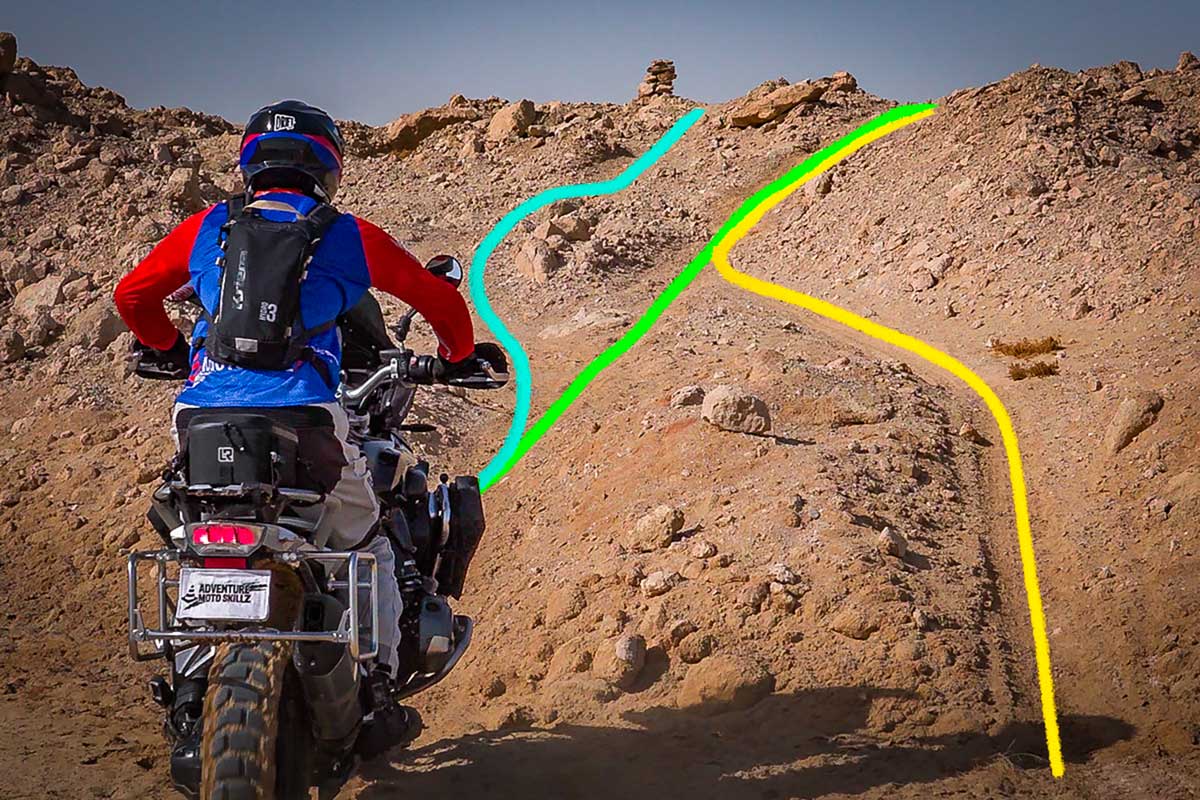 Identify areas that offer better grip or conceal potential dangers beneath their surfaces.
• Visual Awareness and Anticipation Skills
As experienced riders say, “Look where you want to go” because your bike tends to follow your gaze. So, if there’s trouble on the path—like a sudden drop-off—it pays to have spotted it early to react smoothly and without panic. Mastering target fixation flips a potential snag into an advantage, steering your focus to what’s next, not the obstacle in your path. Train your sights on where you’re headed down the trail; this clever shift helps you home in on your best line choice without fixating on the challenges.
With proper visual awareness in combination with smooth bursts of momentum, the bike will often help you find your best line.
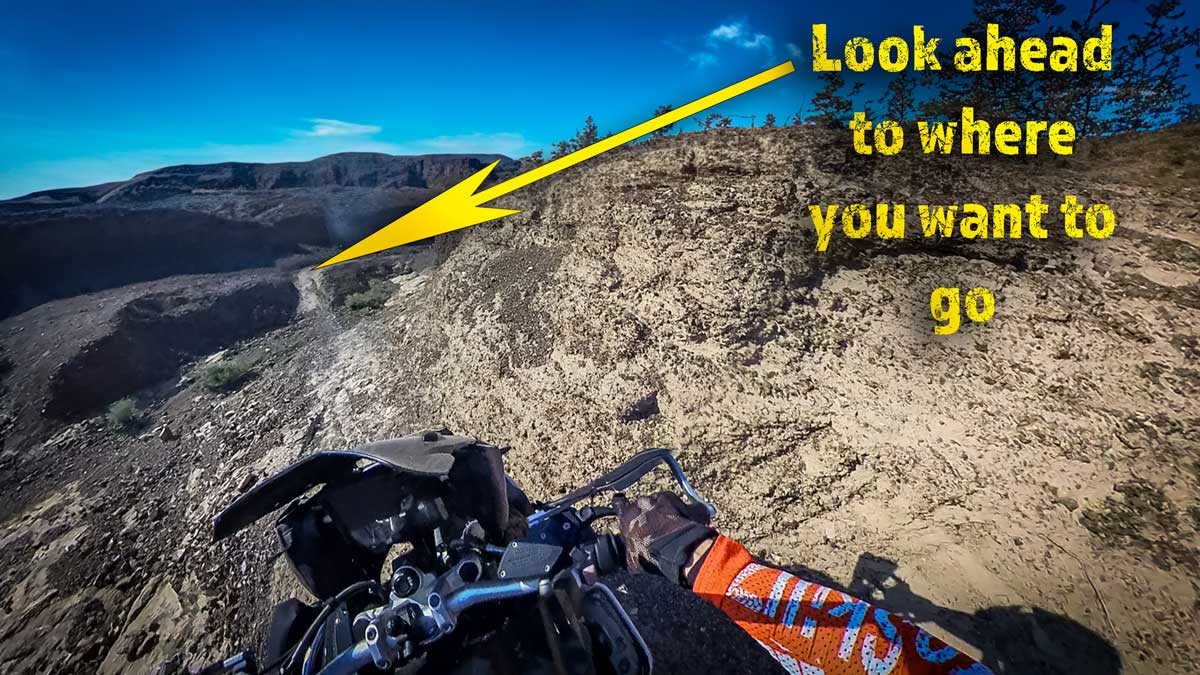 Use target fixation to your advantage to guide the bike.
• Throttle and Body Weight for Rough Terrain
Before twisting the throttle to get through a challenging section, it’s crucial to balance your weight distribution—shifting towards the rear tire can improve traction while leaning forward helps maintain front tire stability. Planning your balance and body positioning before accelerating makes it easier to stay online while smoothing out your ride. This isn’t about looking good for the camera; it’s crucial for handling and picking lines that work with, not against, what lies ahead.
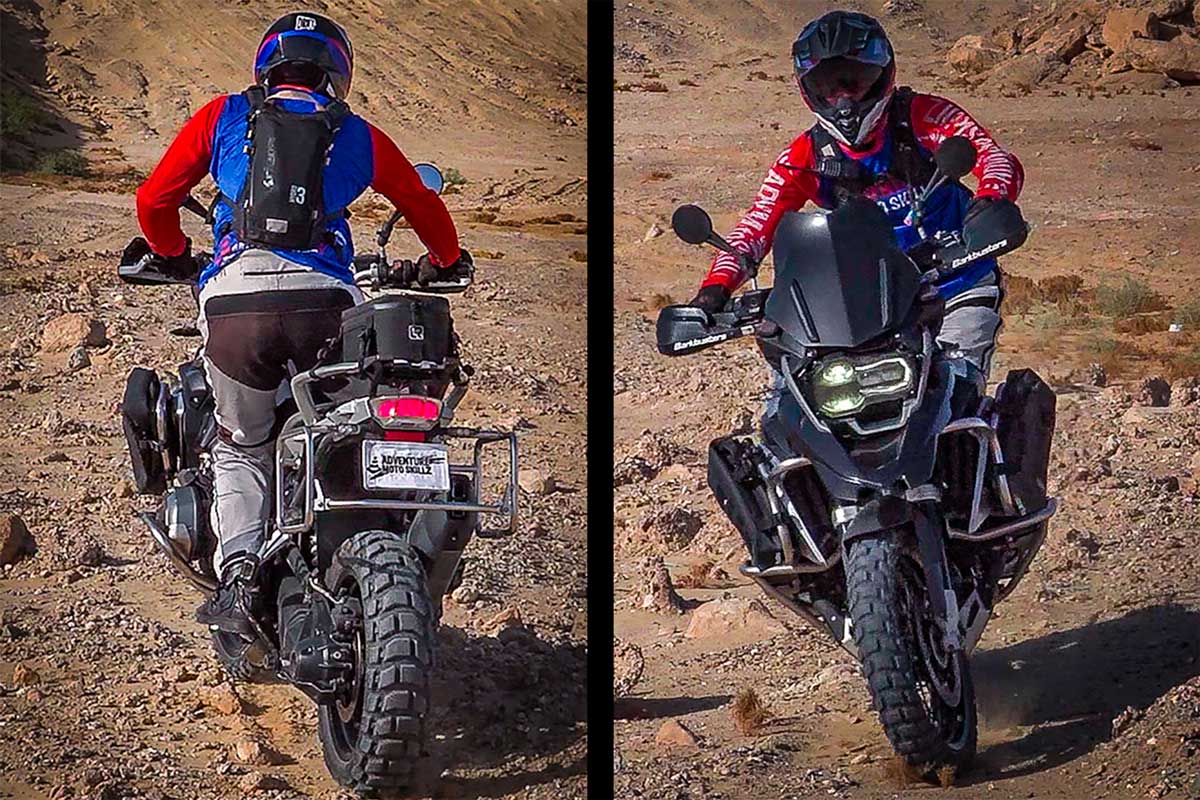 Reading terrain allows you to prepare your body positioning and balance.
Imagine yourself as a surfer carving waves: stand too rigidly and you’ll wipe out with each bump or turn. Fine-tune your stance based on what’s under that board (or, in our case, those wheels), and the right posture will let you absorb shocks without throwing off stability or control. Become one with rough terrain by adjusting constantly. This dynamic approach lets you handle unexpected jolts like a pro and choose lines others might miss due to a lack of balance savvy.
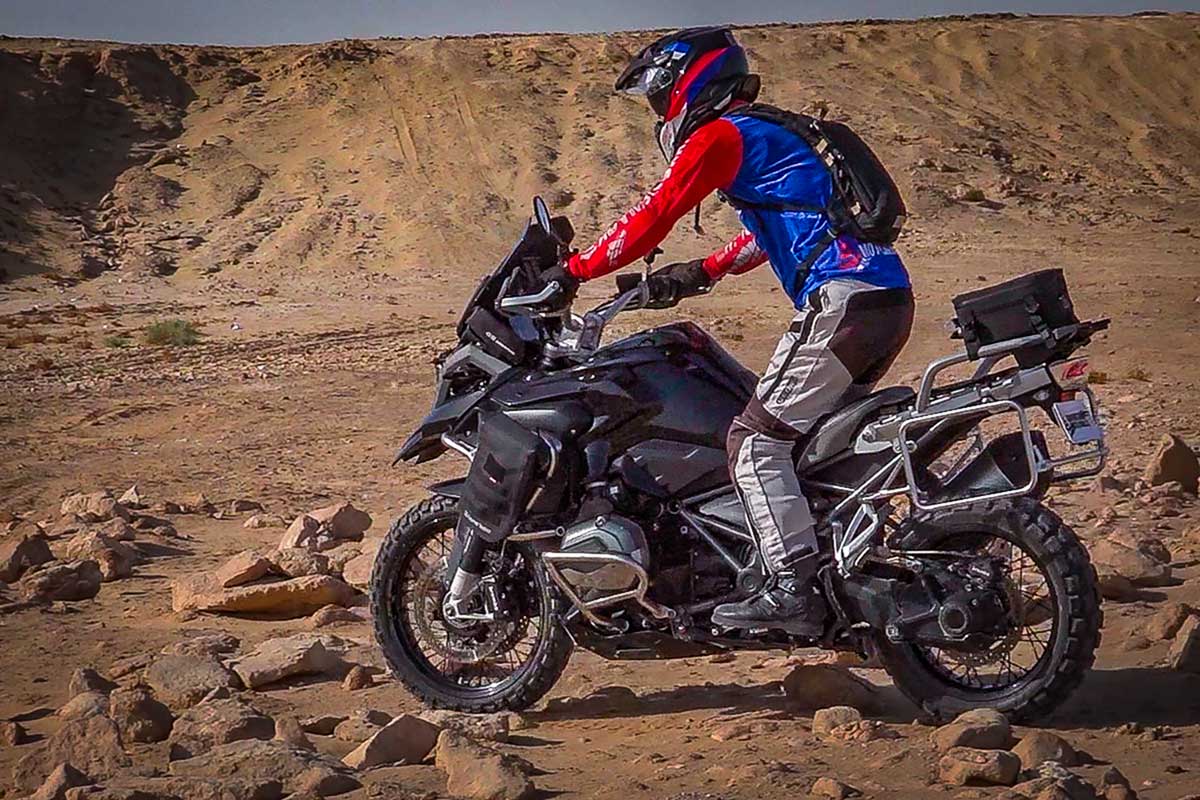 Good body positioning sets you up for success.
• Scouting for the Best Lines
As you refine your riding skills, it’s thrilling to push the boundaries with terrain that stretches your abilities. The path to improvement lies in embracing such challenges. So, when you hit a stretch of trail that seems particularly daunting, wisdom dictates to get off your bike and walk that section before trying to ride across it. Scan for areas of the trail that offer the best traction. Take into consideration what body position you may need to be in before applying the throttle.
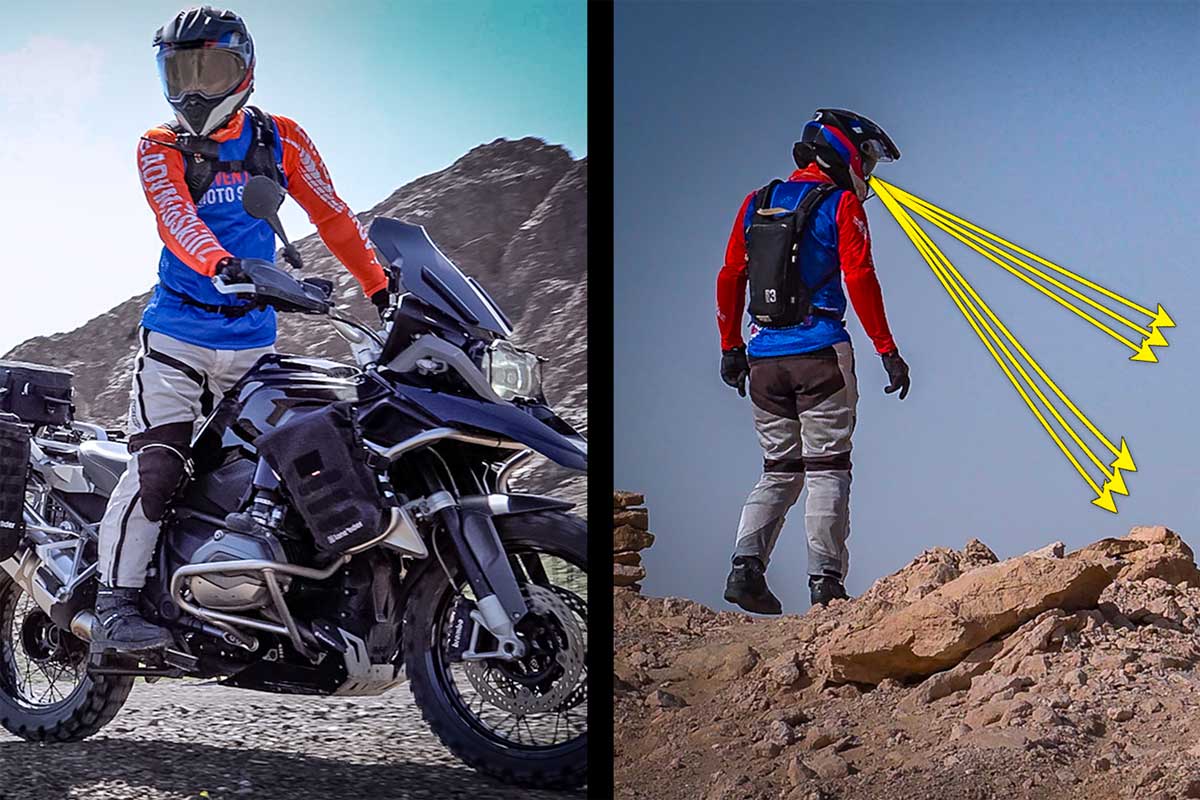 Scout new or tricky sections to find the best way forward, even if it means a quick dismount.
Looks can fool you when crossing water. You might not see the dangerous holes or slippery roots hidden under the water. Also, a big dip caused by a washout could be tough on your bike’s bash plate, so it’s smart to get off and check out the area yourself to find the easiest way across. Spend a few minutes on some trail maintenance, too. Filling in a gap can ensure a safer crossing for you and the other riders in your group.
 ADVMotoSkillZ coach Mike Carroll is an off-road motorcycling enthusiast and instructor. Once a Harley rider, Mike now thrives on off-road adventures with his BMW R1200GS. He is a certified Enduro Action Team Off-Road Instructor and channels his passion into ADVMotoSkillZ. Mike and his wife, Kristen, co-founded ADVMotoSkillZ and enjoy helping riders improve their off-road capabilities. Advmotoskills.com