 Sticky logo
 Search


How well can you read the road or trail? Most riders are aware how important it is to watch for other traffic, whether it’s a car waiting at an intersection, or a logging truck coming down a dirt mountain road. Recent U.S. and European accident studies have shown that there are now more injuries and deaths due to single vehicle accidents (rider error) than those in multi-vehicle accidents. This has been true for backroad and trail riding forever, but now it is true for pavement dwellers as well.
There are many ways to interpret this data, but my observation, as a professional motorcycle riding instructor, is that the public is becoming more aware of motorcyclists in general, and that a larger percentage of motorcyclists is more conscious of the importance of being visible, wearing bright and reflective colors.
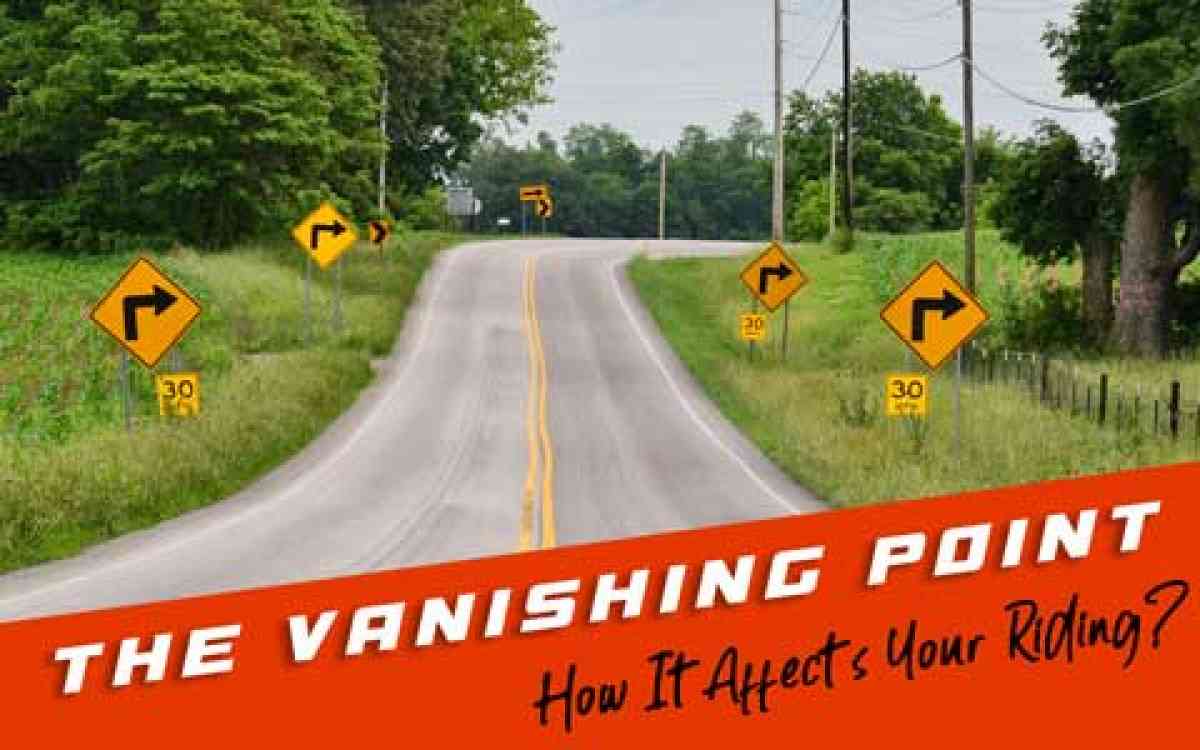
However, these statistics also show that riders still lack some critical life-saving skills. For example, one concept we teach in “Advanced Street Skills” requires scanning the road (or trail) for changes in traction and direction. The traditional search for changes in color and texture are still two of the biggest indicators for changes in traction. And, color can help identify hazards such as water, oil, and antifreeze, or a change in surface such as hard pack gravel, loose gravel or packed road, sand or mud. Texture indicates traction changes, like gravel or sand on the road, broken pavement or material changes on the trail. Although color and texture can suggest a change in direction, one of the most precise ways to do this is by using the Vanishing Point (VP) of the road.
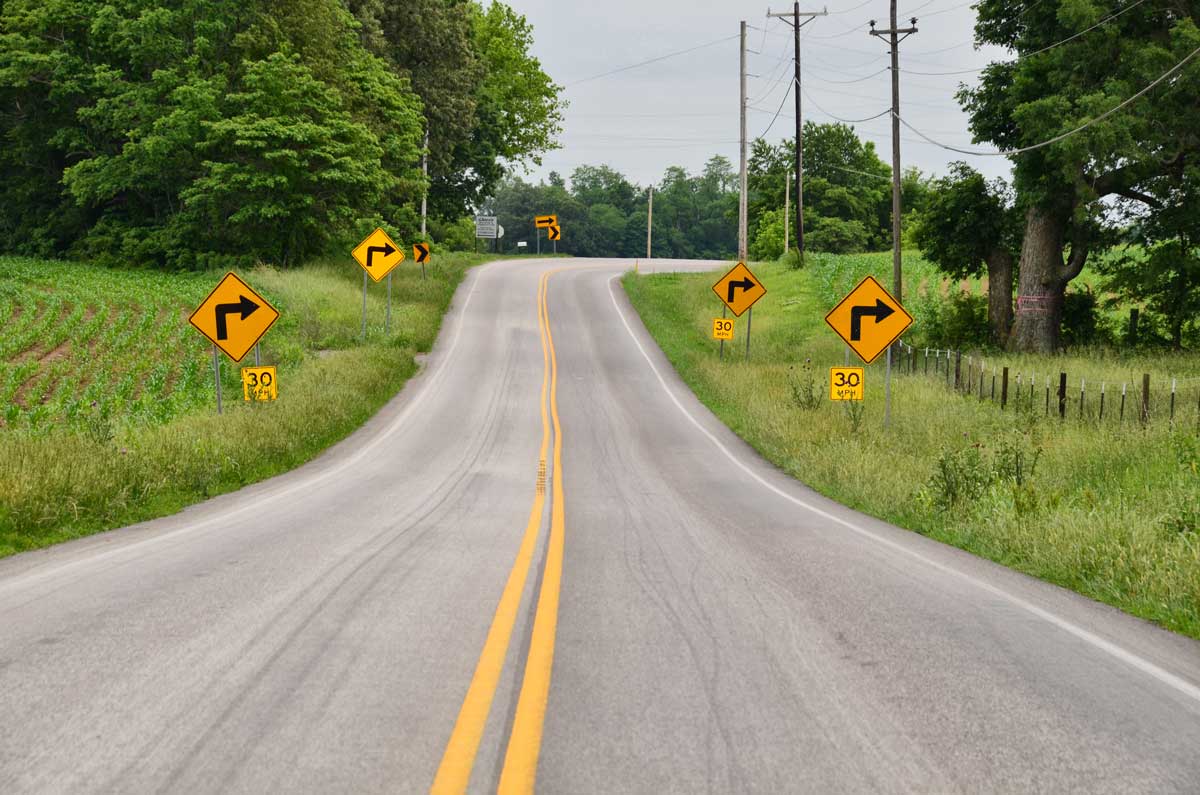
What’s the “Vanishing Point?” When we look through a corner, we’re determining the next entry point (corner). Whether it’s 50 feet or a mile, this is what our eyes need to target. At some point every road disappears—this is the Vanishing Point. As we look to the next corner the road will appear as if both sides come to a point (where the road vanishes), this point tells us what the road is about to do. To use this technique effectively, do what the VP tells you to do—if the Vanishing Point appears to move away from you then it is safe to roll on the throttle relative to the speed the VP is moving away from you. When the VP appears to accelerate away from you it is indicating that the corner is an increasing radius (opening up); you can apex early and roll on the throttle. If the Vanishing Point appears to be closing in on you, then the corner is a decreasing radius (tightening up), and you’ll need to late-apex the corner, backing off on the throttle for a reduced entry speed. The third type of corner is a constant radius indicated by the VP remaining a constant distance from you (no movement).
Next time you go for a ride, try practicing these skills. Picture the VP as the taillight of your riding buddy and work to keep a consistent distance between you and him or her. If you close distance—decrease speed; if you lose distance—increase speed; and if you maintain an equal distance—maintain steady throttle.
This is only a snippet of a bigger process so practice it with care and know there is much more to learn.