 Sticky logo
 Search



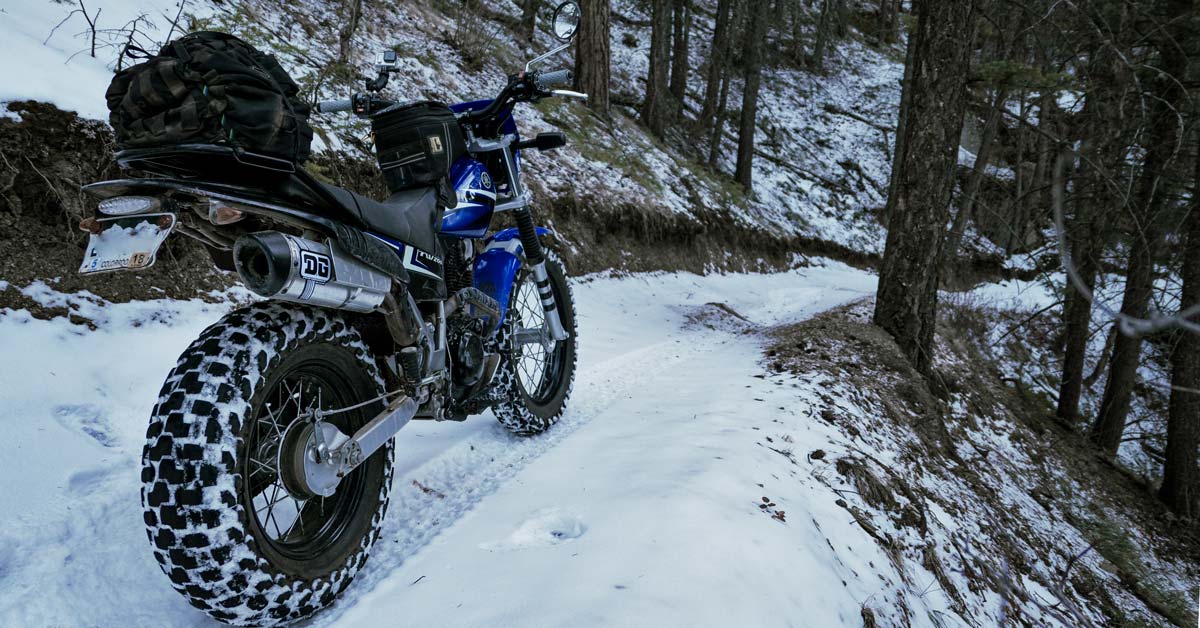
The snow is finally melting, and the days are getting longer. It’s time to remove the battery tenders and start up the bikes for the first time in months. The following are a few ideas on how to get your motorcycle ready to ride after a long winter’s nap.
• Oil Change
The best time to change the oil is after the bike has been sitting for months. Condensation can build up on the internal engine components over time. This moisture evaporates naturally when the engine is regularly running at operating temperature over extended periods. But when the bike is sitting in storage, or only used for short trips, the excess moisture can begin to oxidize and break down the oil over time.
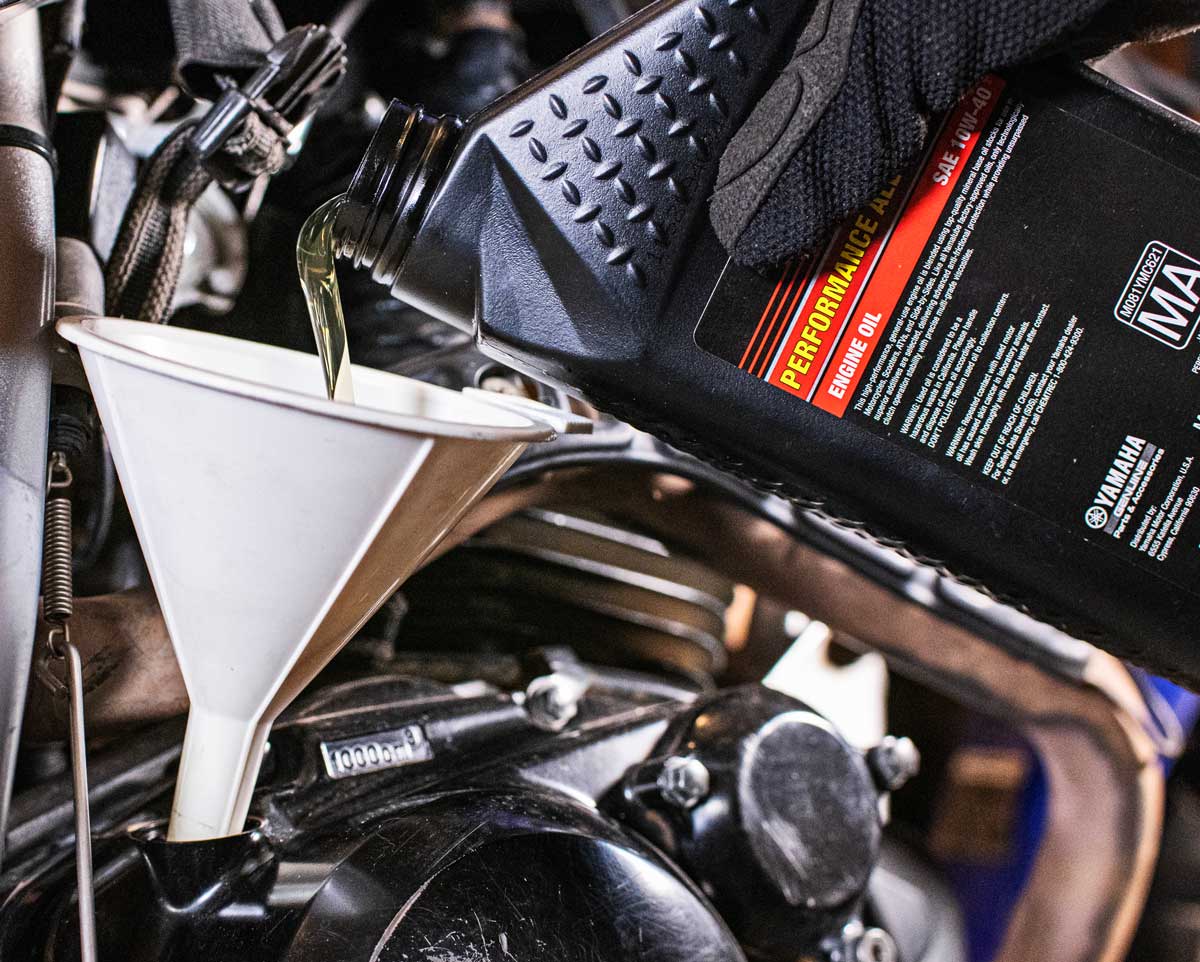
Before the oil is changed, it’s usually best to run the bike and get the engine up to operating temperature. This allows the oil to capture any moisture and contaminants from the internal parts. It may also be a great time to go for a test ride to see if any other issues need attention. Once the engine is switched off, the old oil can then be drained into a suitable container and recycled. Don’t forget to install a new oil filter, crush washer, and O-rings if needed. Be sure to check the user’s manual on the specific type of oil to use. It will usually provide a few viscosity options, depending on the ambient temperature ranges in which the engine is operating.
• Check Spoked Wheels and Bolts
It’s obvious to check tires and air pressure when bringing a bike out of storage, but spokes often get overlooked. Spoked wheels are king when it comes to rough off-road riding. They allow more flex compared to their cast counterparts. It’s amazing how those tiny thin rods all work together to support the massive amounts of weight and torque placed on a wheel.
A quick and easy way to check the spokes is with the wheels off the ground. While keeping the bike as steady as possible, spin a wheel quickly by hand, looking for any wobble, or dents on the rim. This is just a quick check and should reveal any significant issues. To be more accurate, or if you have a wheel that’s not true, a wheel truing stand will be needed. Even without problems, the spokes should be tightened from time to time. This requires a specific tightening sequence and a special spoke torque wrench. For some, it may be easier to bring it to a trusted shop to have this done.
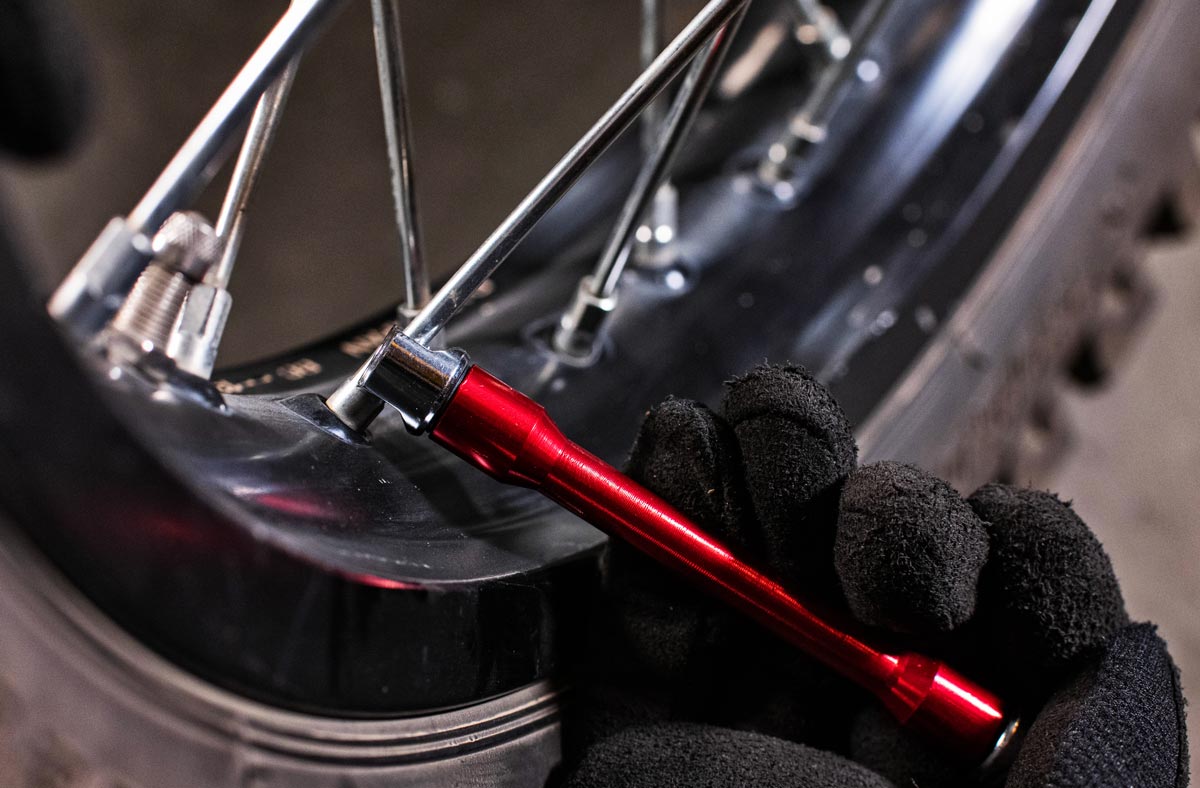
Bolts are other items that sometimes get overlooked until they go missing. It’s always a good idea to make sure they’re tight once in a while. For this, a torque wrench and shop manual will come in handy. Things like exhaust brackets, peg brackets, aftermarket racks, and bar risers are a few examples of what can loosen up over time from vibration. If you find something loose, consider using some blue Loctite before torquing to spec so it doesn’t happen again.
• Don’t Let Gasoline Expire
The majority of gasoline today has a short shelf life due to ethanol. There’s no reason to worry if a tank of regular gasoline runs through the bike at least every three months. After that time, the ethanol starts to absorb water, leading to gummed-up carbs and rust inside tanks. Ethanol-free fuel is ideal and has a shelf life closer to six months, but this is increasingly difficult to find nowadays.
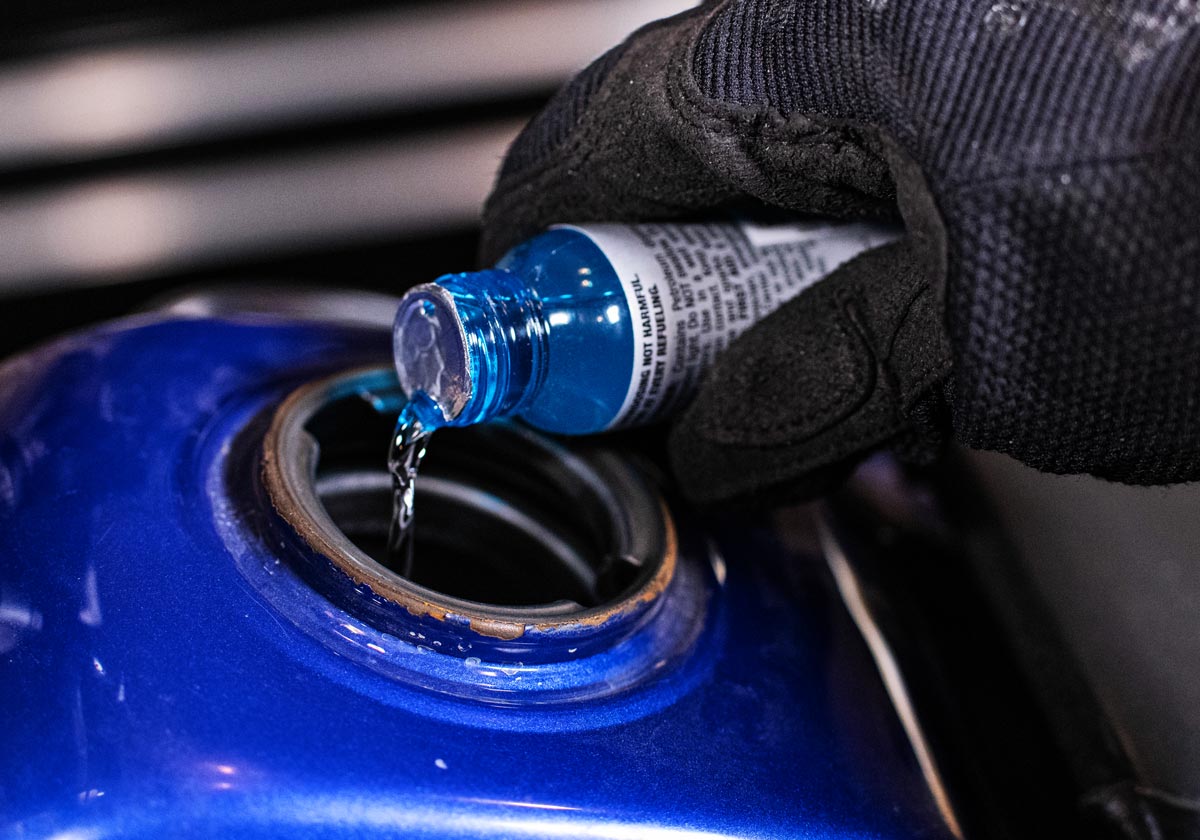
The easiest option is to fill the tank with the highest-octane gas you can purchase and add a fuel stabilizer for long-term storage. This can keep the fuel in good condition for much longer. The tank should be full because condensation can build up on the exposed metal tank walls, causing rust, especially in humid environments. Be sure to run some through the fuel injection system or carburetor, then run it dry with the valve in the off position before storage.
That’s all great when putting the bike away for the year, but if the bike is just coming out of storage and rust is found in the tank, maybe it’s time to finally get that bigger plastic one or just look into how to remove the tank rust. If it turns out to be rust-free, the old fuel can be diluted with new gasoline or replaced altogether.
• Check Chain and Sprockets
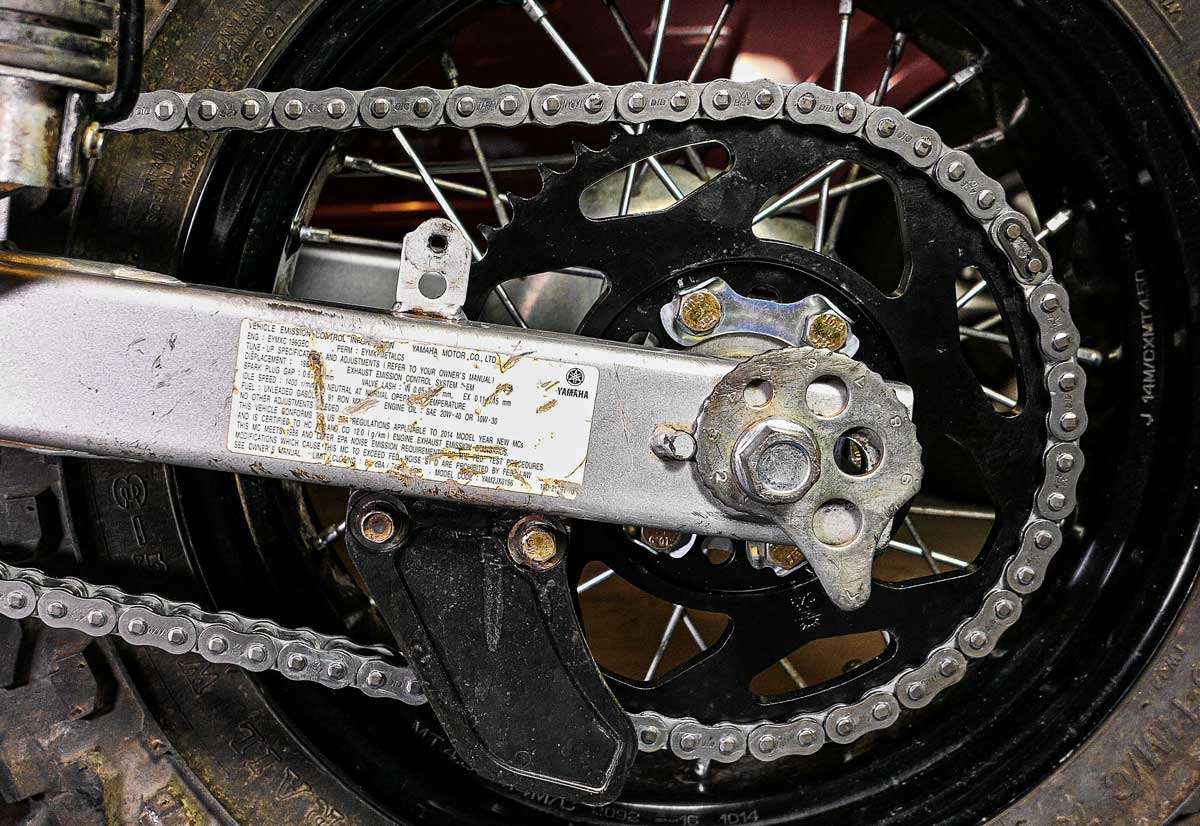
No other moving part on an adventure bike experiences dirt and debris as much as the chain and sprockets. Usually, the front sprocket wears out the fastest because it rotates more than the rear. It’s also the one that gets overlooked because it’s often hidden under a cover. Eventually, it can get so bad that the chain starts skipping teeth and could even come loose.
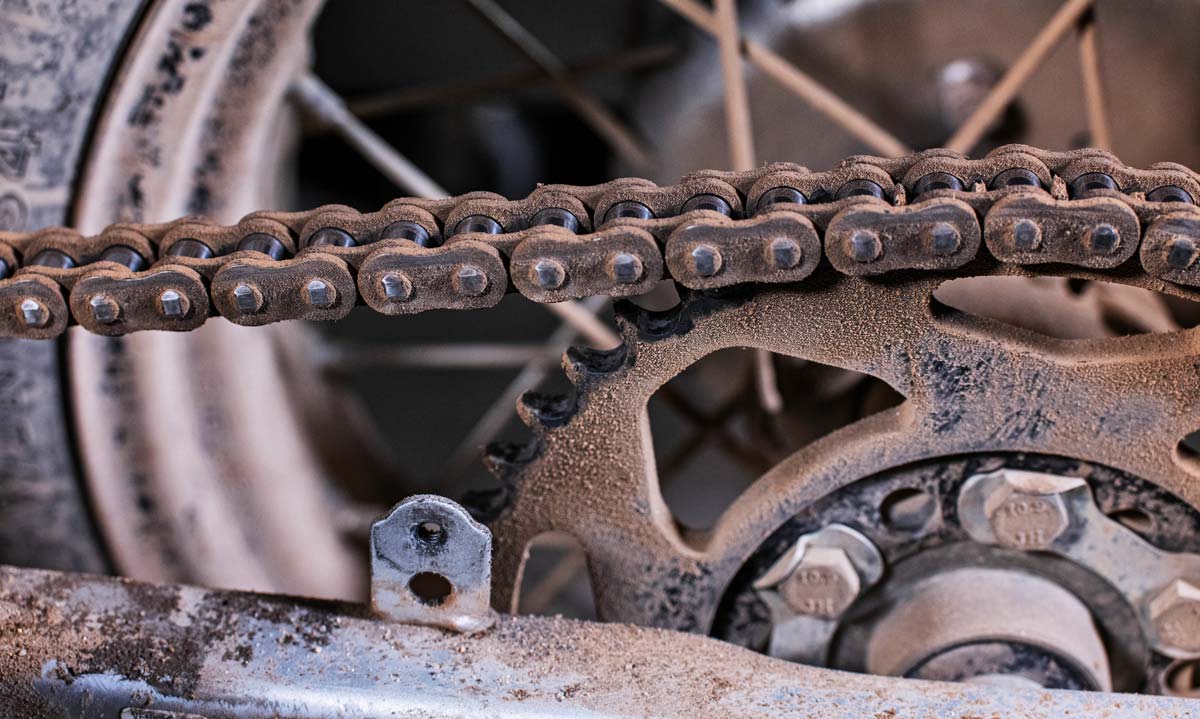
Ideally, a healthy sprocket will have a flat spot at the top of each tooth; the teeth should also not look like shark fins. It’s highly recommended to replace both sprockets and chain at the same time because they wear best as a set. If they’re worn out, and it’s time for replacements, this is a great chance to try different gearing if desired. Supposing that an open chain was being used on the bike, this is the perfect time to switch to a sealed one. An open chain may need adjustment every couple hundred miles compared to an X-ring chain, which can last a couple thousand before another adjustment is required.
Spring is an exciting time of year because riding season has arrived. A bit of preventive maintenance and preparation can go a long way toward keeping you and your bike safe as you rip down trails and explore backroads.
 Wes Mathias lives on the front range of the Colorado Rocky Mountains and rides a Yamaha TW200. He rides the Colorado backroads to explore the many OHV and Jeep trails the beautiful state has to offer. Wes works as an automotive technician for his day job and uses that experience to learn how to work on his bike and teach others how to do the same through his YouTube channel TDubsKid.